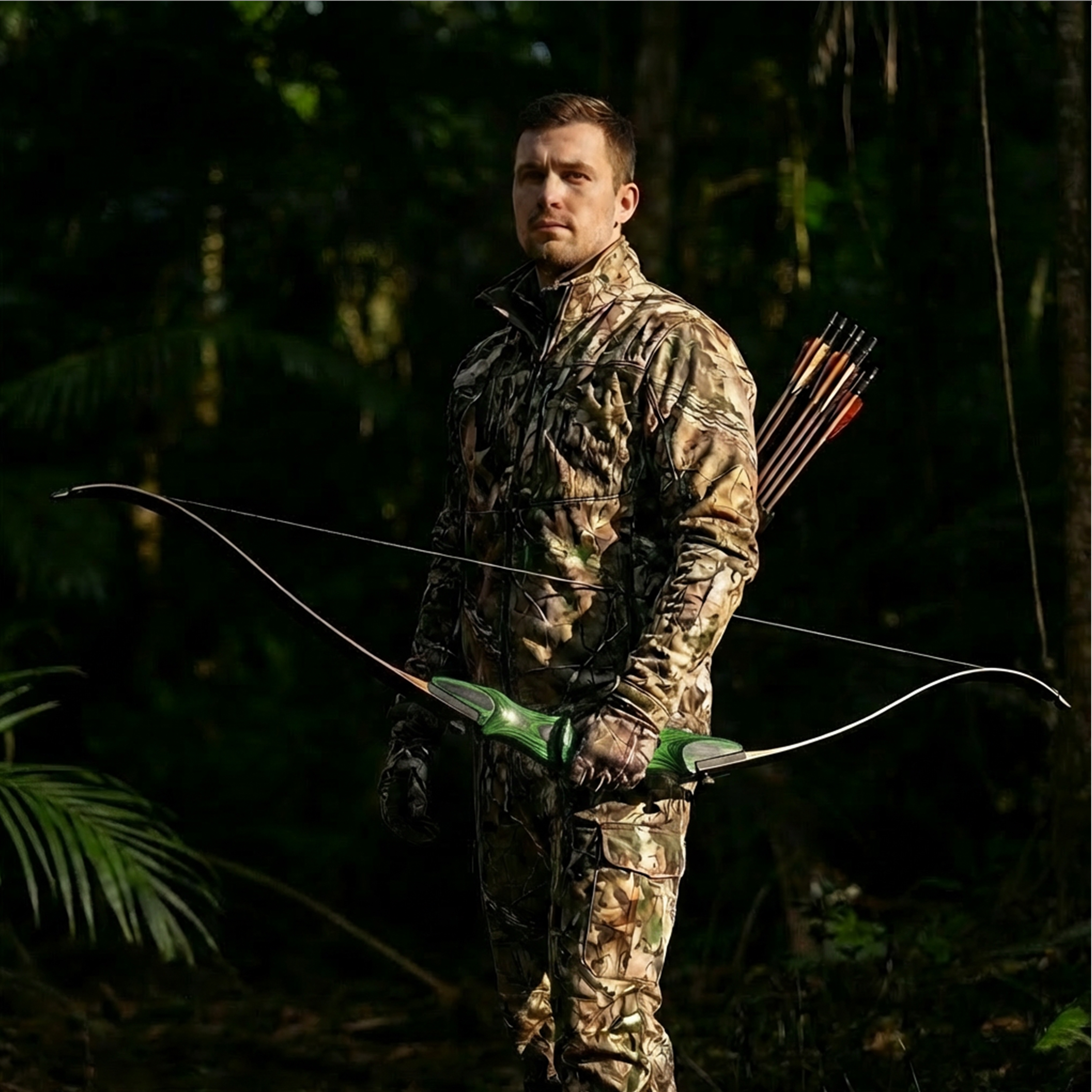

So, you’ve decided to step up your archery game and try a compound bow. Congratulations! You’re about to join the world of cams, let-off, and arrows flying faster than your Monday morning coffee disappears. But before you run out and grab the first shiny bow you see, let’s talk about choosing your first compound bow the smart way.
Getting the right bow isn’t just about “looking cool” (though, yes, you’ll look very cool). It’s about accuracy, safety, and having fun without punching yourself in the shoulder every time you shoot.

1. Understanding Compound Bows
Unlike recurve or longbows, compound bows are mechanical marvels. They use cams and pulleys to reduce the holding weight at full draw — that’s called let-off. This means you can hold at full draw longer, aim carefully, and still look heroic doing it.
Key benefits for beginners:
- Less strain on arms and back
- Higher arrow speed
- Improved accuracy with less effort
Think of it as the difference between rowing a boat with your arms versus using a modern rowing machine with gears — same motion, way less sweat.
2. Why Choosing the Right Compound Bow Matters
Many beginners make the mistake of buying the “coolest” bow they see online — shiny cams, neon limbs, a sticker that says “World Champion Approved” — only to find out it’s way too heavy, too long, or just plain awkward.
Consequences of the wrong bow:
- Wobbly shots and missed targets
- Sore muscles (and a bruised ego)
- Frustration that makes you question why you even started
Your first compound bow should match your body, strength, and goals, not just your Instagram aesthetic.
How to choose compound bow for beginners
3. Key Factors for Picking Your First Compound Bow
Factor 1: Draw Weight
Draw weight is the first thing to check. Beginners usually start around 30–50 lbs. Too heavy, and you’ll look like a cartoon character trying to lift a cannonball. Too light, and you won’t get enough arrow speed.
Pro tip: If you can’t hold the bow fully drawn for 5–10 seconds comfortably, it’s too heavy.
Factor 2: Draw Length
Draw length is your personal arrow-firing sweet spot. Stand naturally, stretch your arms out, measure fingertip to fingertip, then divide by 2.5.
Why it matters: Wrong draw length = poor form, inconsistent shots, and possibly a string hitting your face like a slapstick gag.
Factor 3: Bow Size and Axle-to-Axle Length
- Shorter bows: Maneuverable, great for tight spaces or hunting in the woods.
- Longer bows: Smoother draw, more forgiving, ideal for accuracy on the range.
4. Beginner Mistakes (Let’s Laugh, Then Learn)
Even the pros have embarrassing stories from their first bows.
- Overestimating strength: Buying a 60-pound bow because it looks intimidating. Spoiler: it’s intimidating in the wrong way.
- Ignoring comfort: If the grip feels like a cactus, you’ll hate every shot.
- Skipping testing: Ordering online without trying = painful surprises.
- Neglecting accessories: Arm guards, release aids, and proper arrows save fingers, forearms, and dignity.
- Assuming all arrows are equal: Wrong spine = wobble city.
Top Beginner Compound Bow Mistakes
5. Step-by-Step: Choosing Your First Compound Bow
Step 1: Test Before You Buy
Even a cheap local archery shop can save you from a world of hurt. Hold the bow, draw it, and see if it feels natural.
Step 2: Check Let-Off and Draw Cycle
Let-off determines how easy it is to hold at full draw. Beginners benefit from 70–80% let-off, which lets you focus on aiming, not straining your biceps.
Step 3: Match Arrows to Your Bow
Arrow length, spine, and weight matter. Get advice from your local pro shop or manufacturer guidelines.
Step 4: Accessories
- Release aid: Makes shooting smoother, protects fingers, and helps with accuracy.
- Arm guard: Protects your forearm from string slap.
- Sight: Optional, but helpful for learning proper aim.
6. Fun Beginner Tips
- Start slow: Take a few minutes warming up with stretches. Your shoulder will thank you.
- Practice grouping: Don’t worry about hitting the bullseye at first. Focus on shooting consistent groups.
- Record your sessions: It’s fun to watch improvement over time.
- Laugh at mistakes: Nothing builds character like a string hitting your cheek for the 10th time.
7. Real-Life Beginner Experiences
Case 1: Sarah started with a 40-pound beginner bow. Within weeks, her draw was smooth, and she could hold at full draw long enough to focus on aiming instead of arm pain.
Case 2: Jake went straight for a heavy 55-pound bow. After one session, he needed a week to recover and almost quit. Switching to a 45-pound bow changed everything: accuracy improved, confidence returned, and archery became fun.
Lesson: Start comfortable, then gradually step up. Your arms and ego will thank you.

8. Recommended Beginner Compound Bow Setups
- Beginner Range Setup: 30–40 lb draw, 70–75% let-off, basic arrow set, simple release aid, arm guard
- Beginner Hunting Setup: 40–50 lb draw, 75–80% let-off, hunting arrows, release aid, arm guard, sight optional
Beginner Hunting Compound Bows
9. Frequently Asked Questions
Q1: Can I switch to a heavier bow later?
Absolutely. Start light to learn proper form, then gradually increase draw weight.
Q2: Do I need special arrows for hunting vs. target practice?
Yes. Target arrows are lighter for accuracy, hunting arrows are heavier for penetration.
Q3: How long should my first bow last?
With proper care, a beginner compound bow can last years. Inspect strings, cables, and limbs regularly.
Q4: Should I get a bow package or assemble accessories separately?
Packages are great for beginners—they include a bow, arrows, and essential accessories to start shooting immediately.
10. Conclusion + Call to Action
Choosing your first compound bow is about fun, comfort, and safety. Pick a bow that matches your body, draw length, and intended use. Avoid the trap of choosing based on looks alone. Start light, practice often, and gradually step up your setup.
Compound bows are amazing: they give beginners a chance to shoot farther, hold longer, and hit more accurately than ever before. With the right choice, your archery journey will be safe, enjoyable, and full of “wow, I shot that?” moments.
Ready to pick your first bow? Check out our beginner-friendly compound bow collection, grab a starter arrow set, and don’t forget your essential accessories to start shooting like a pro today.