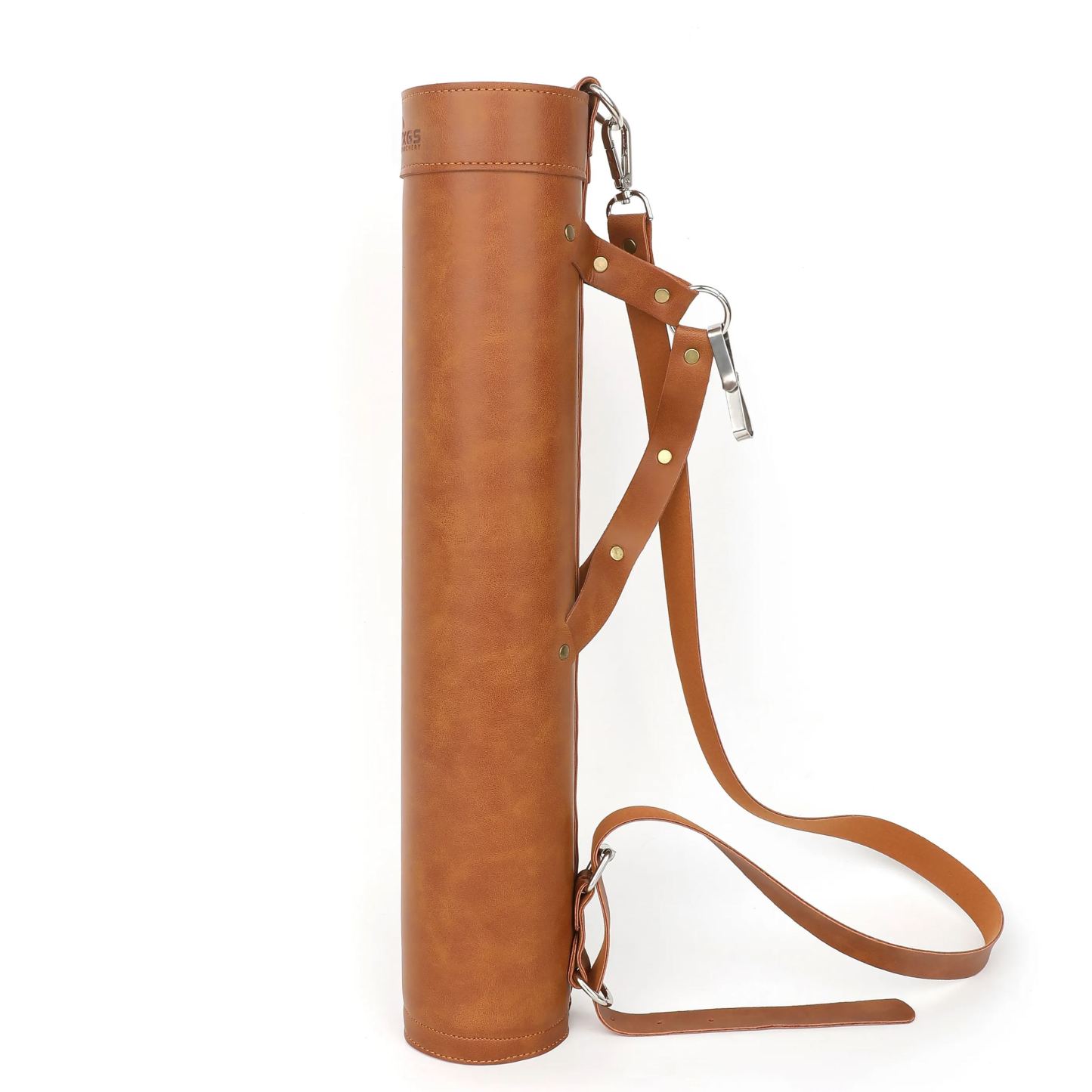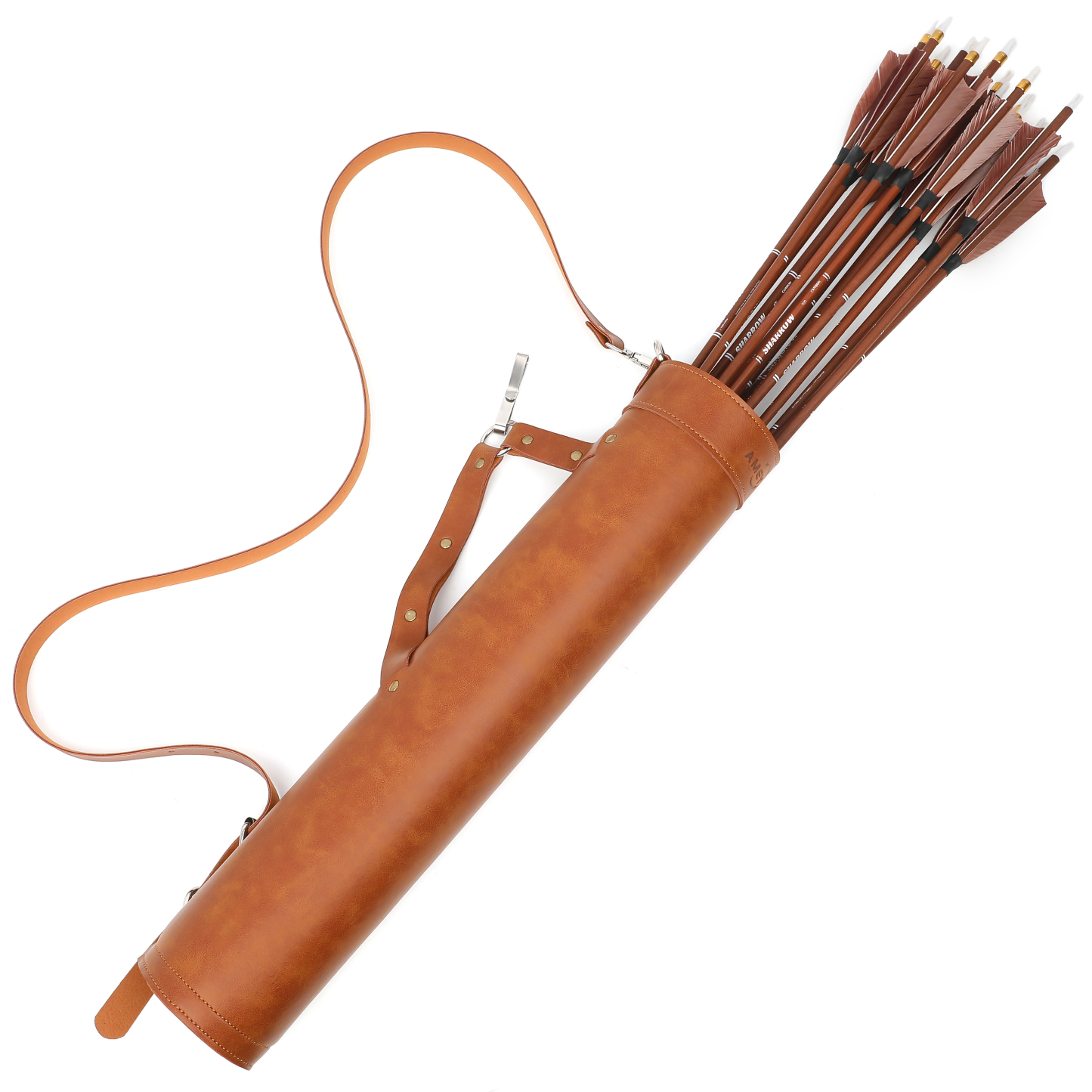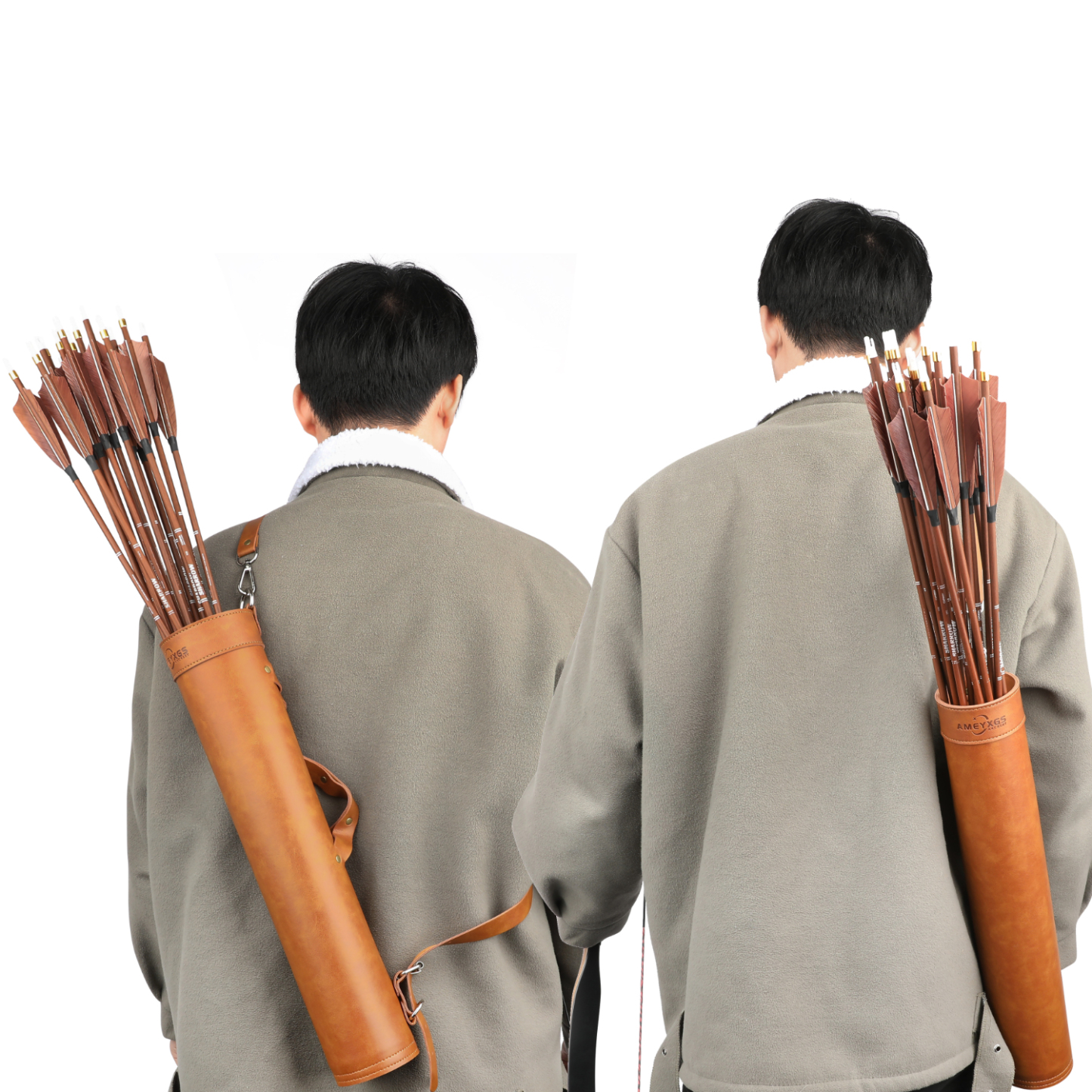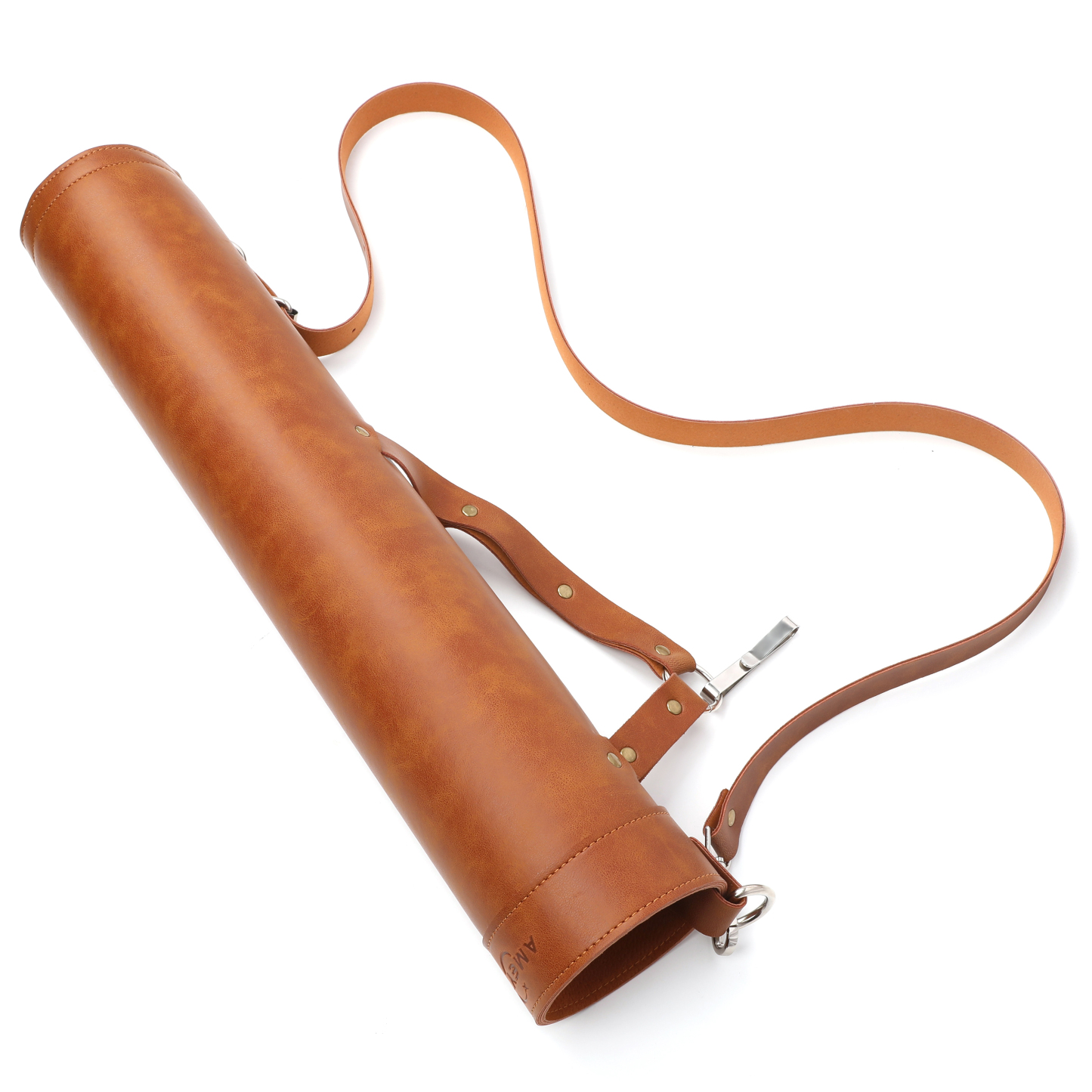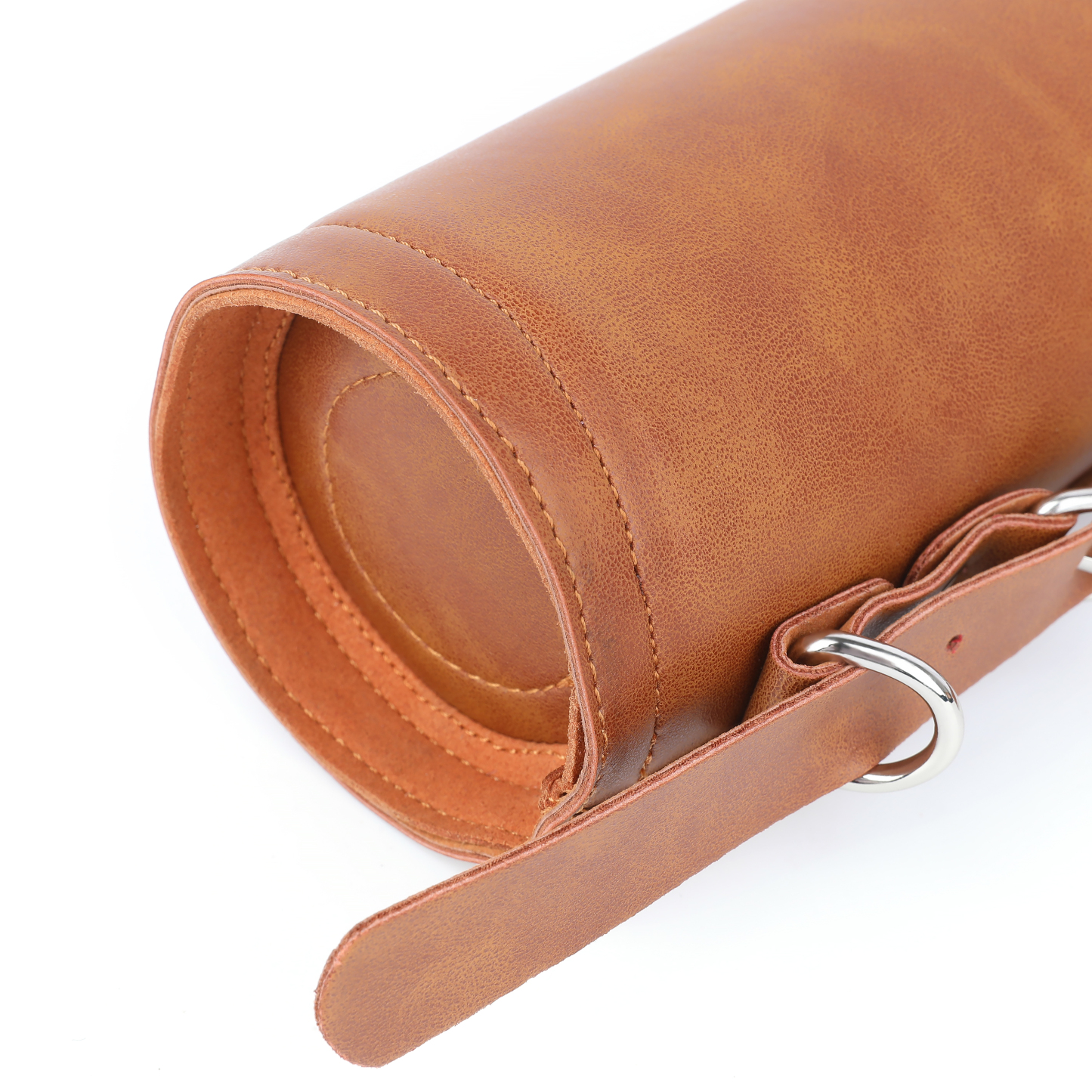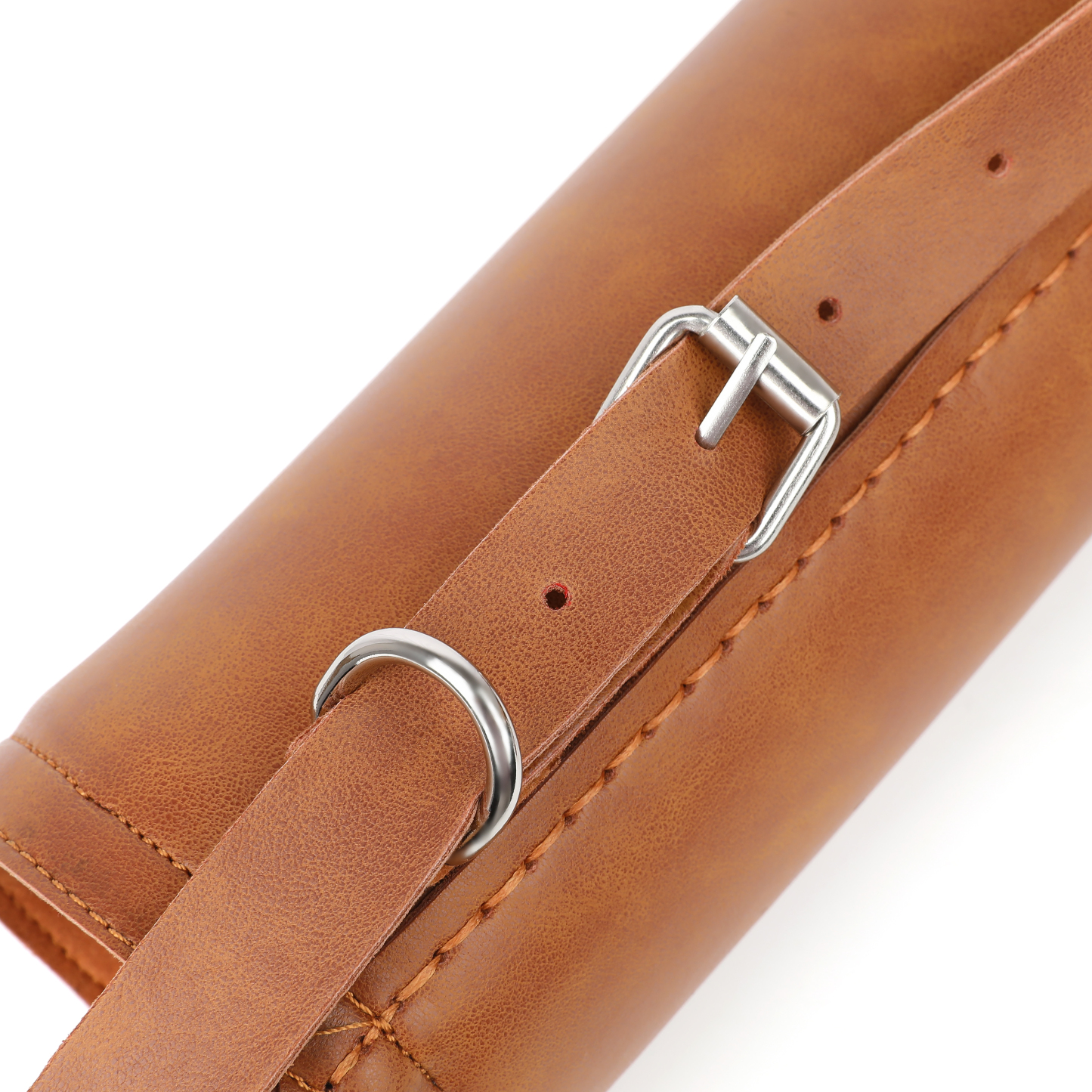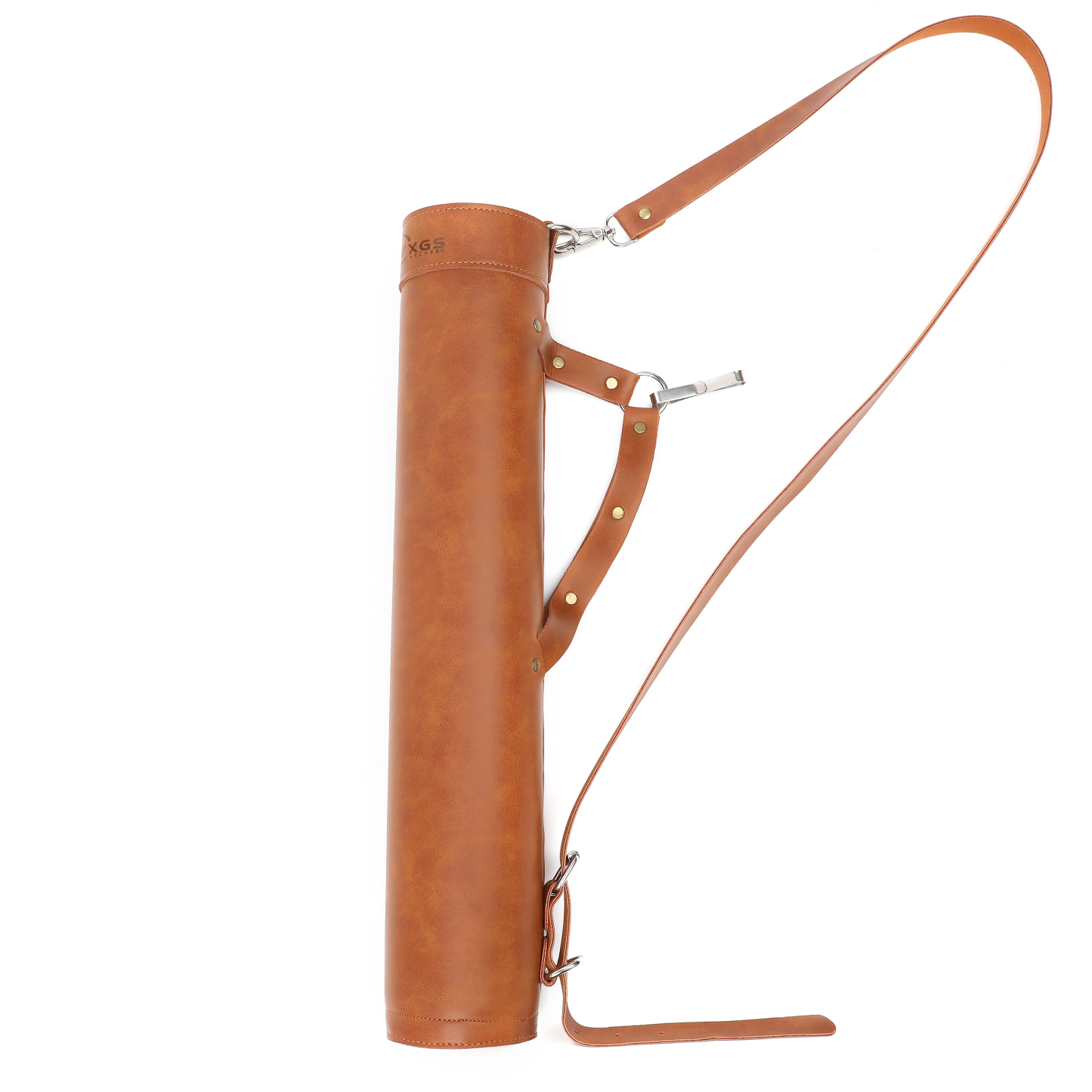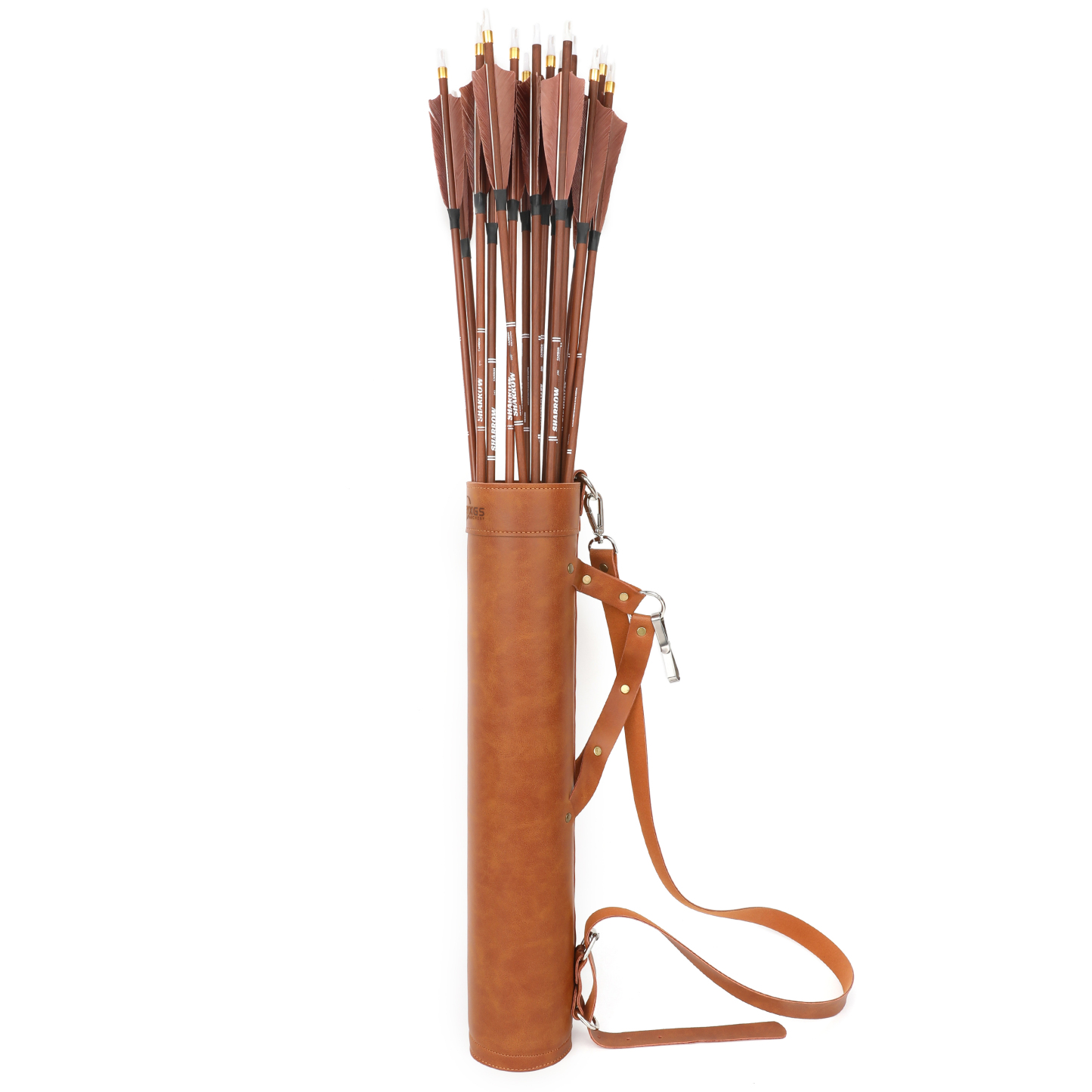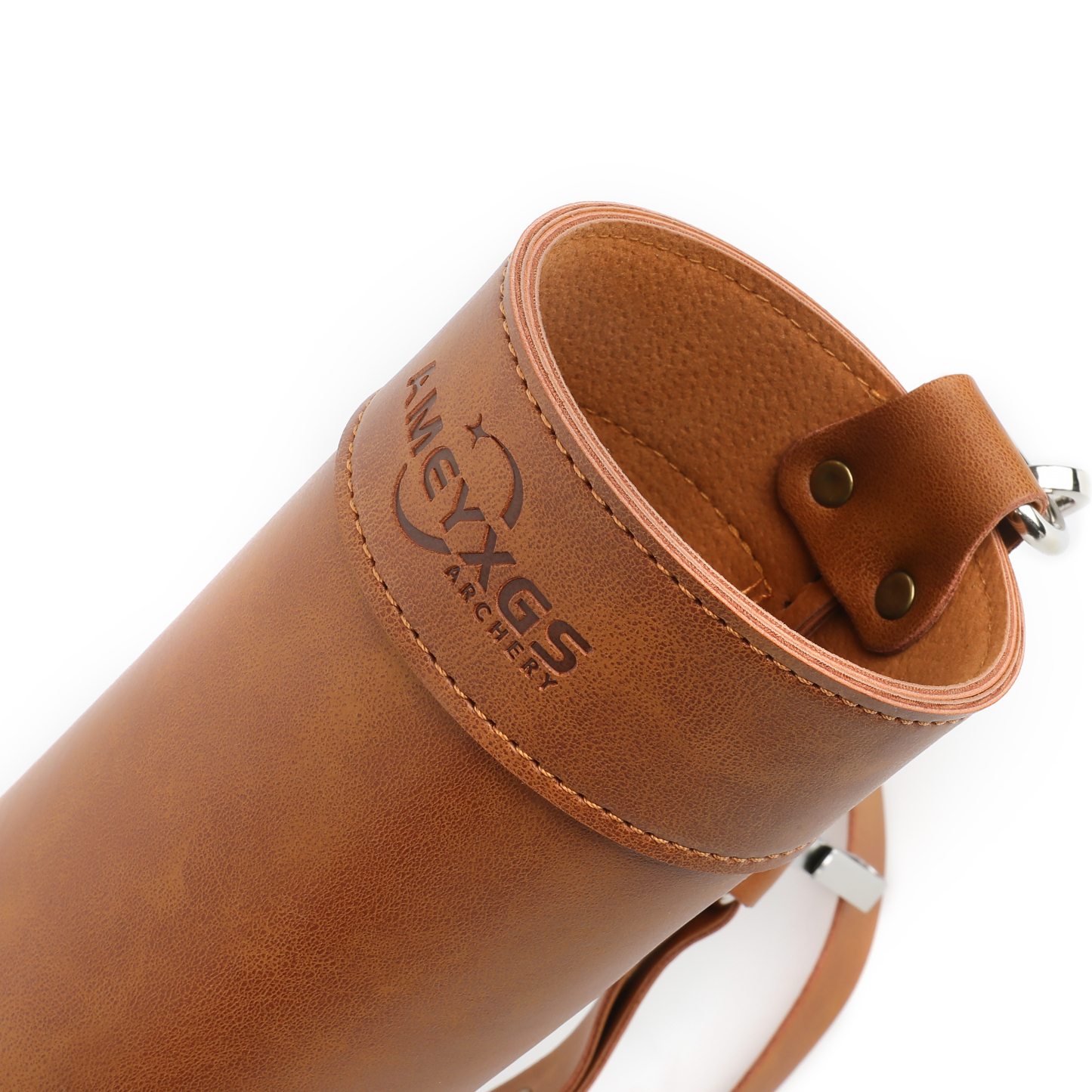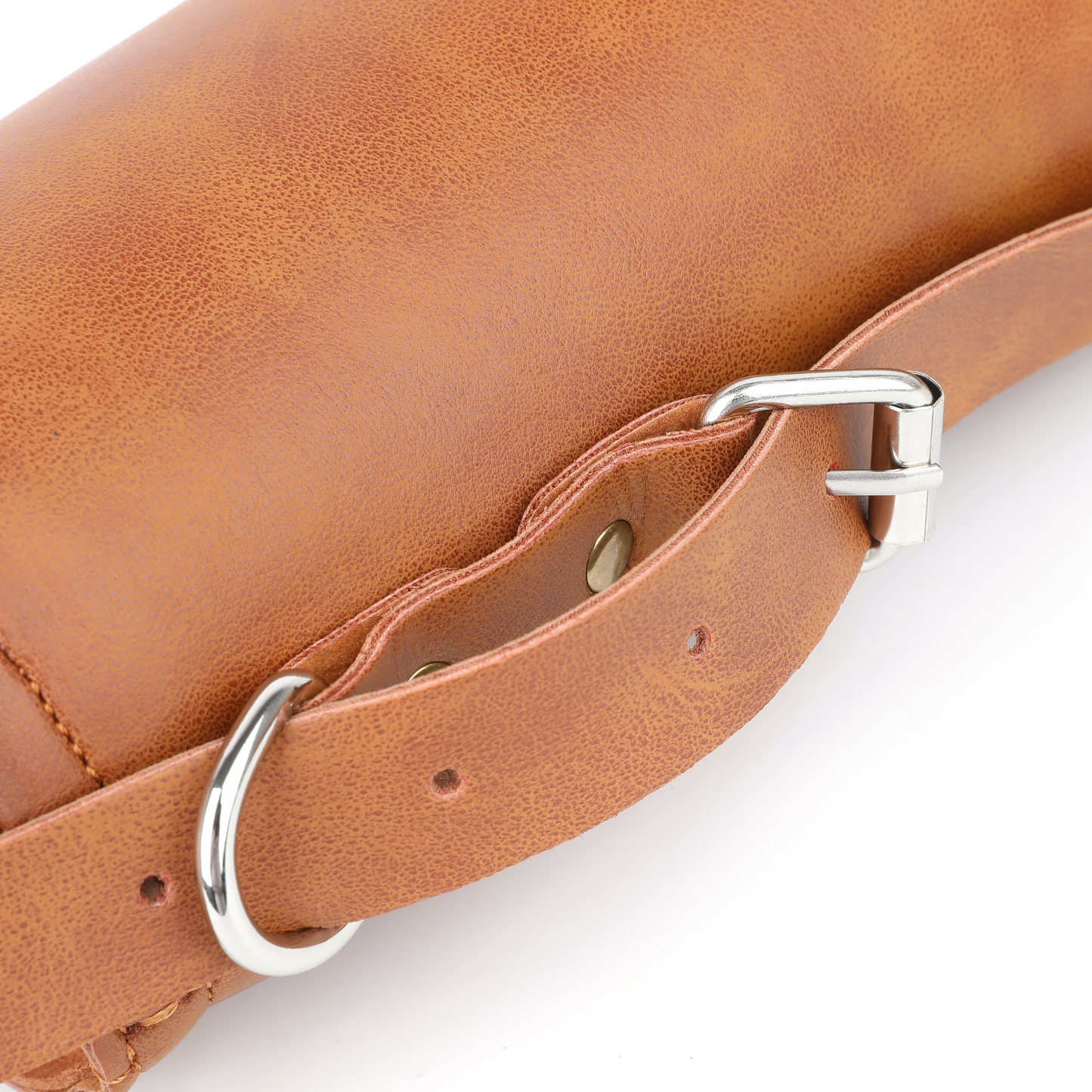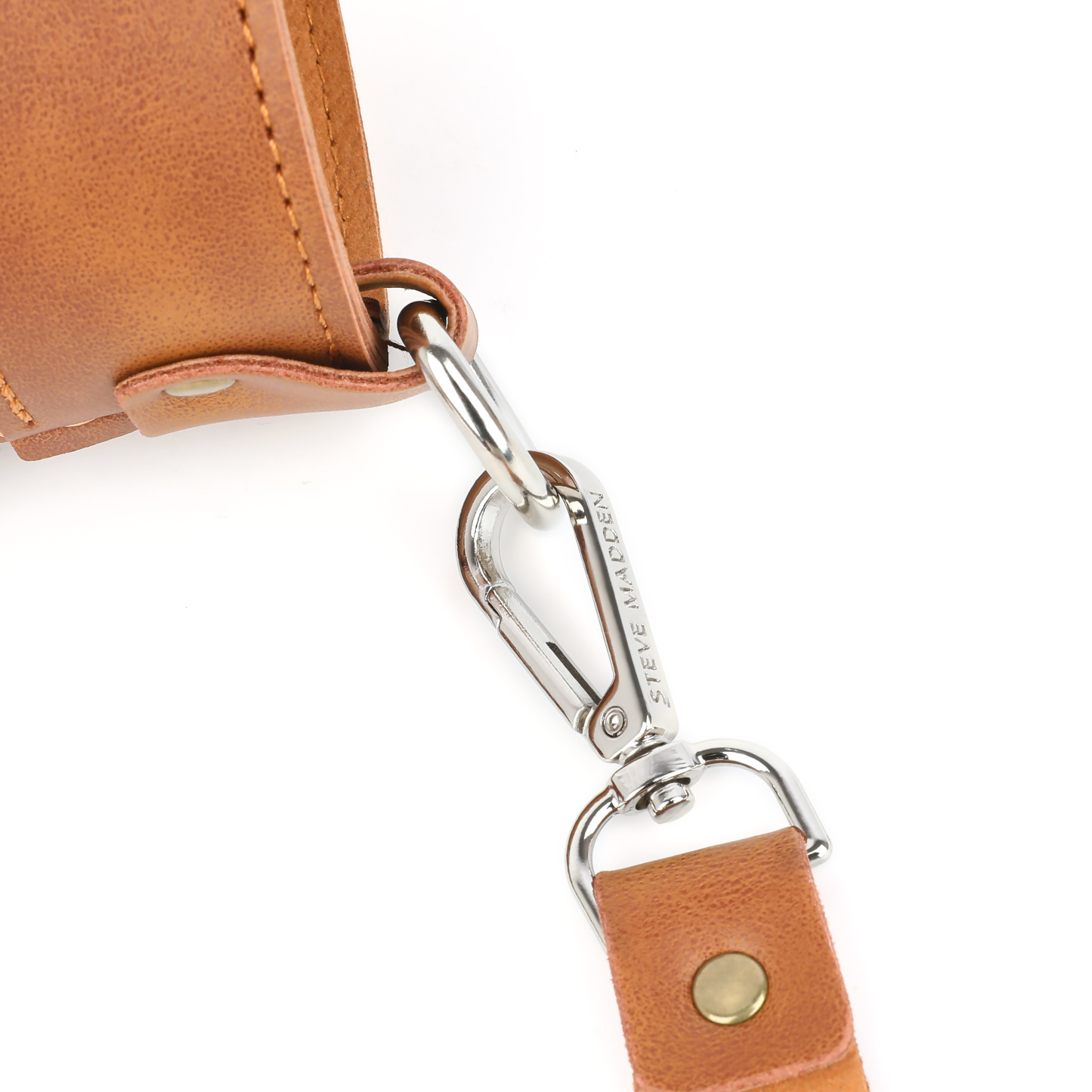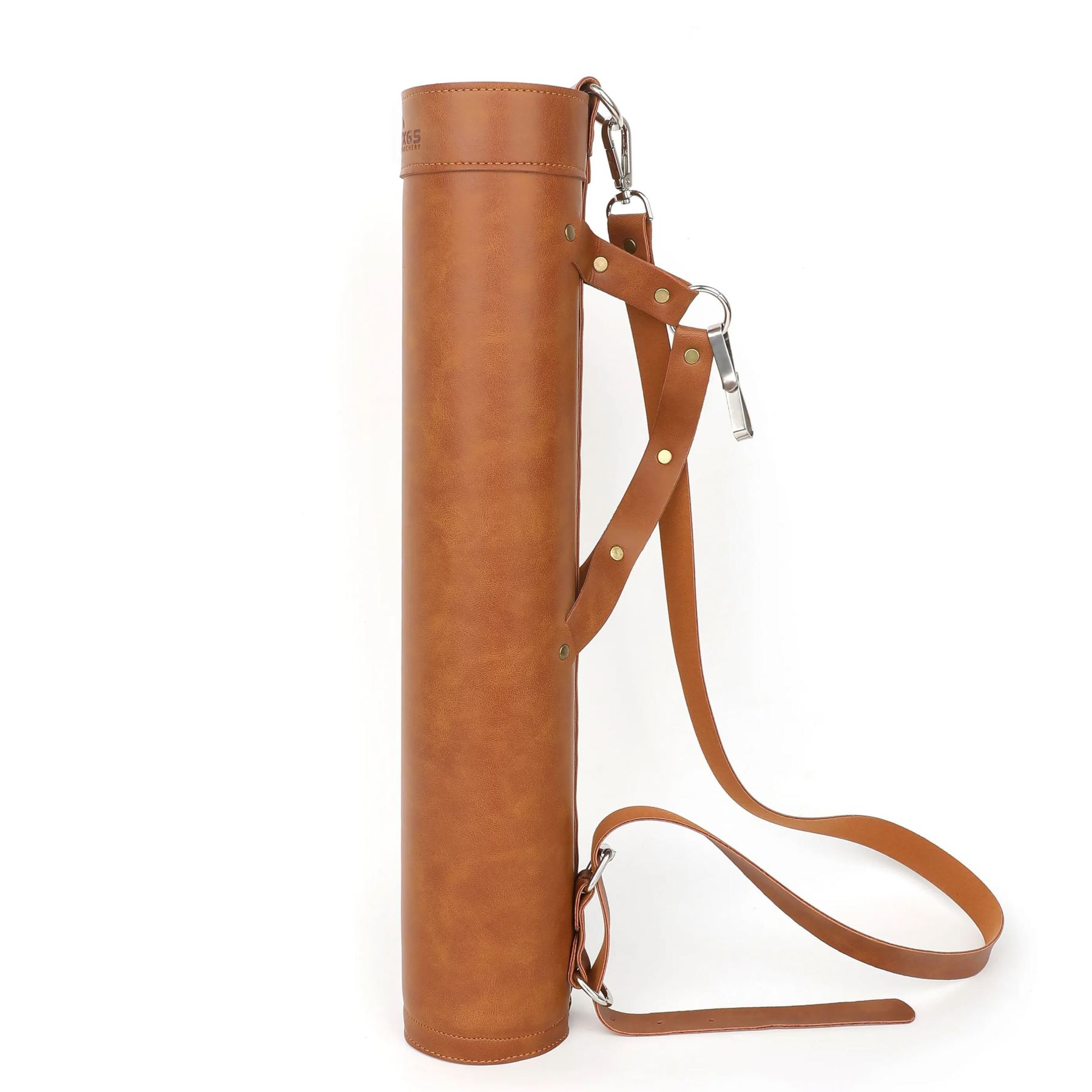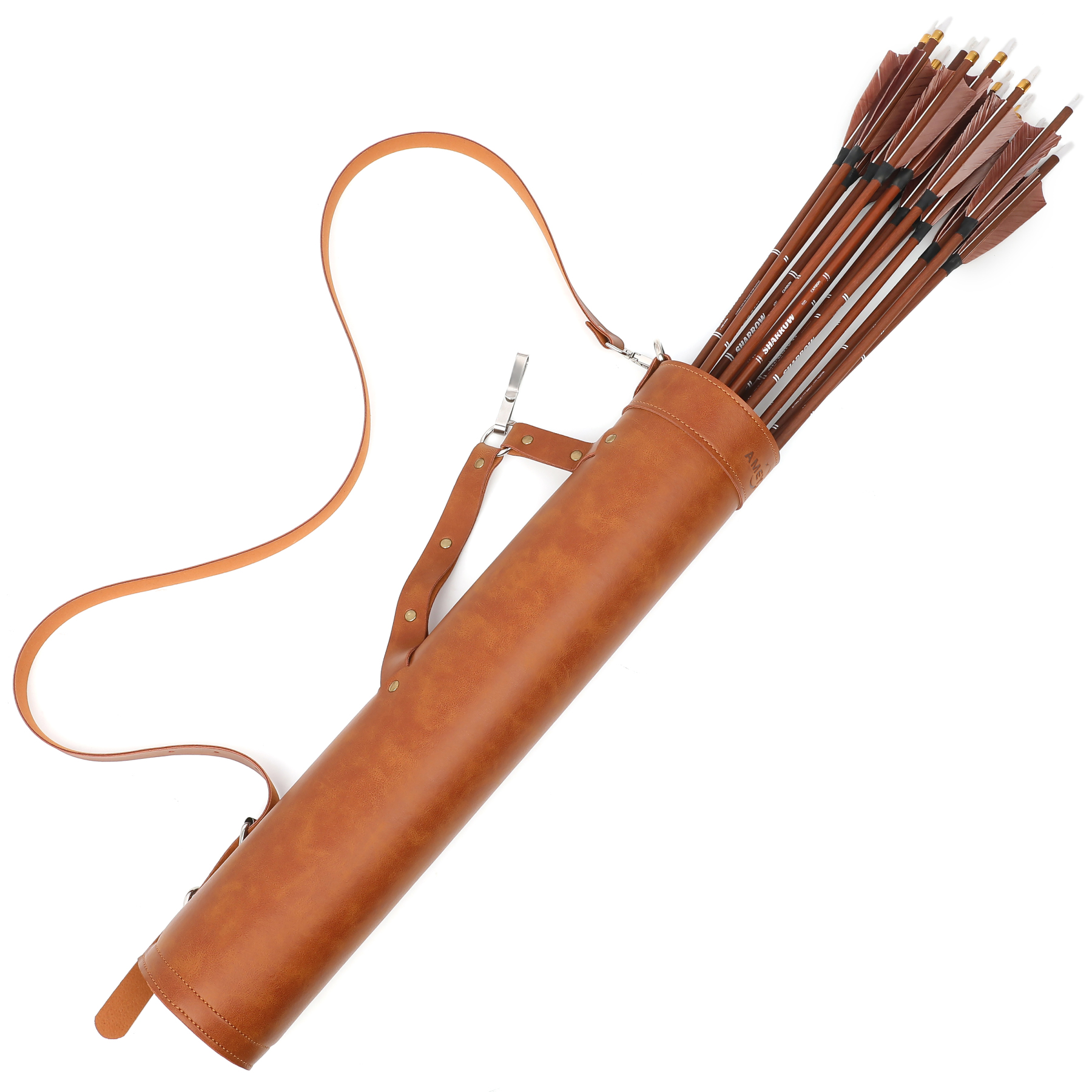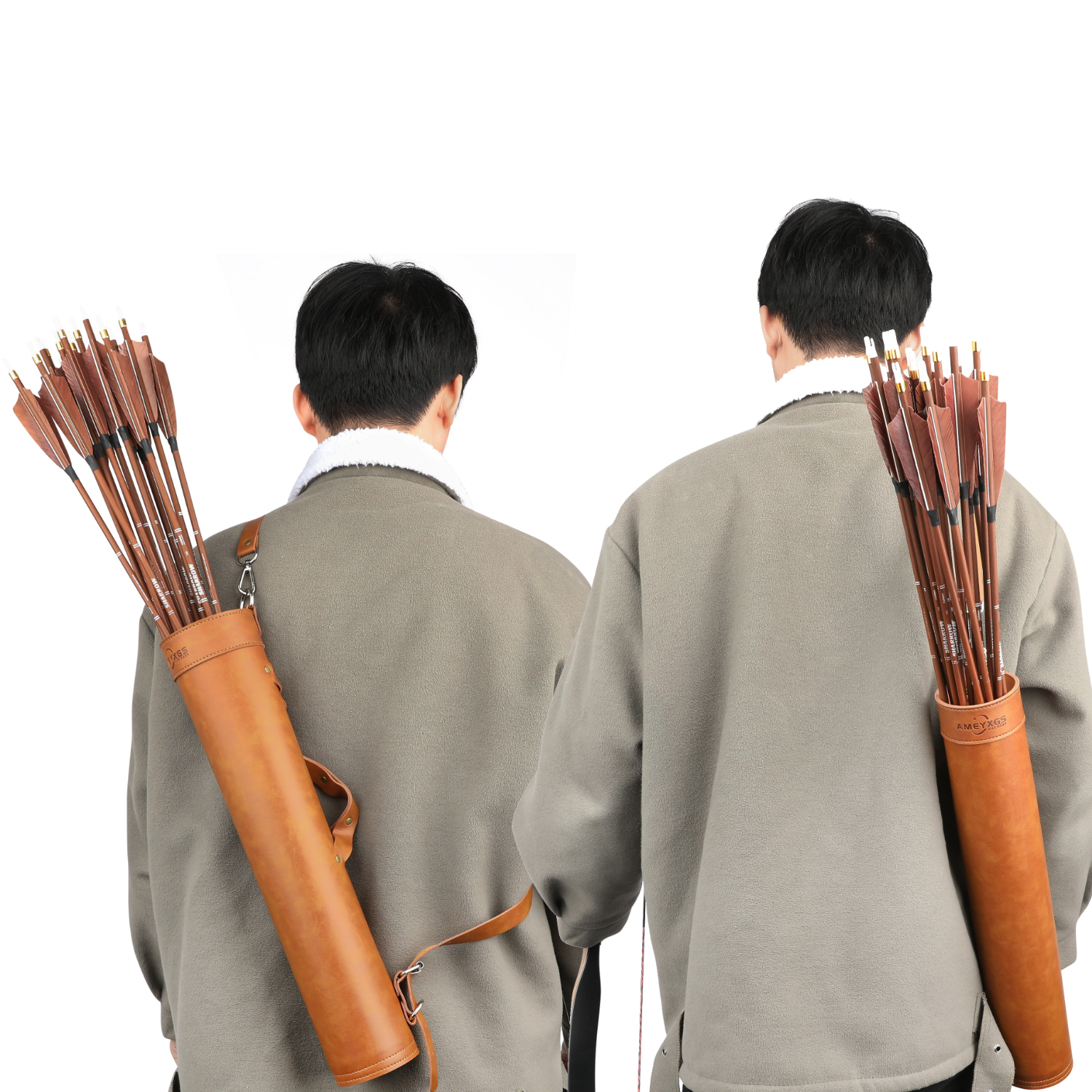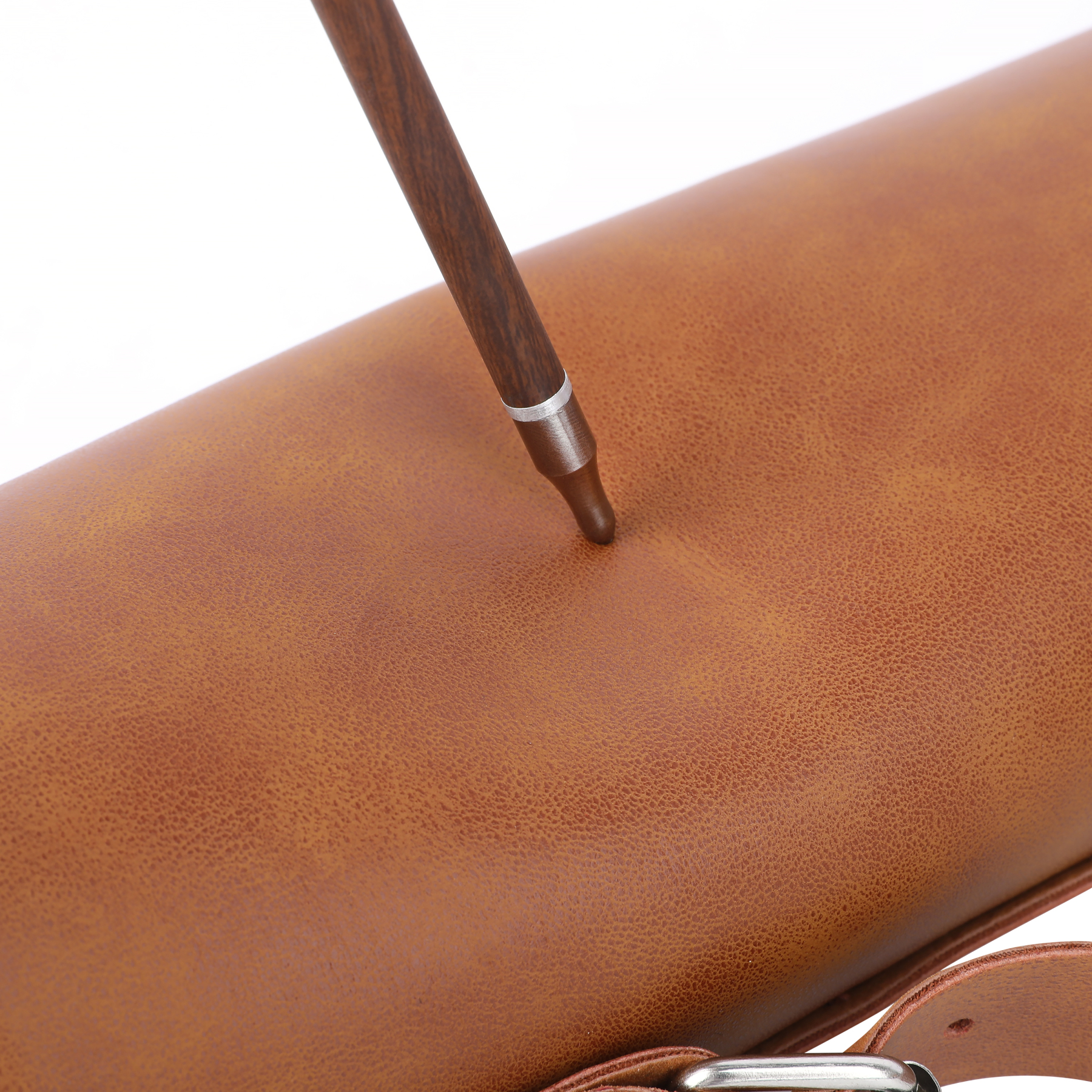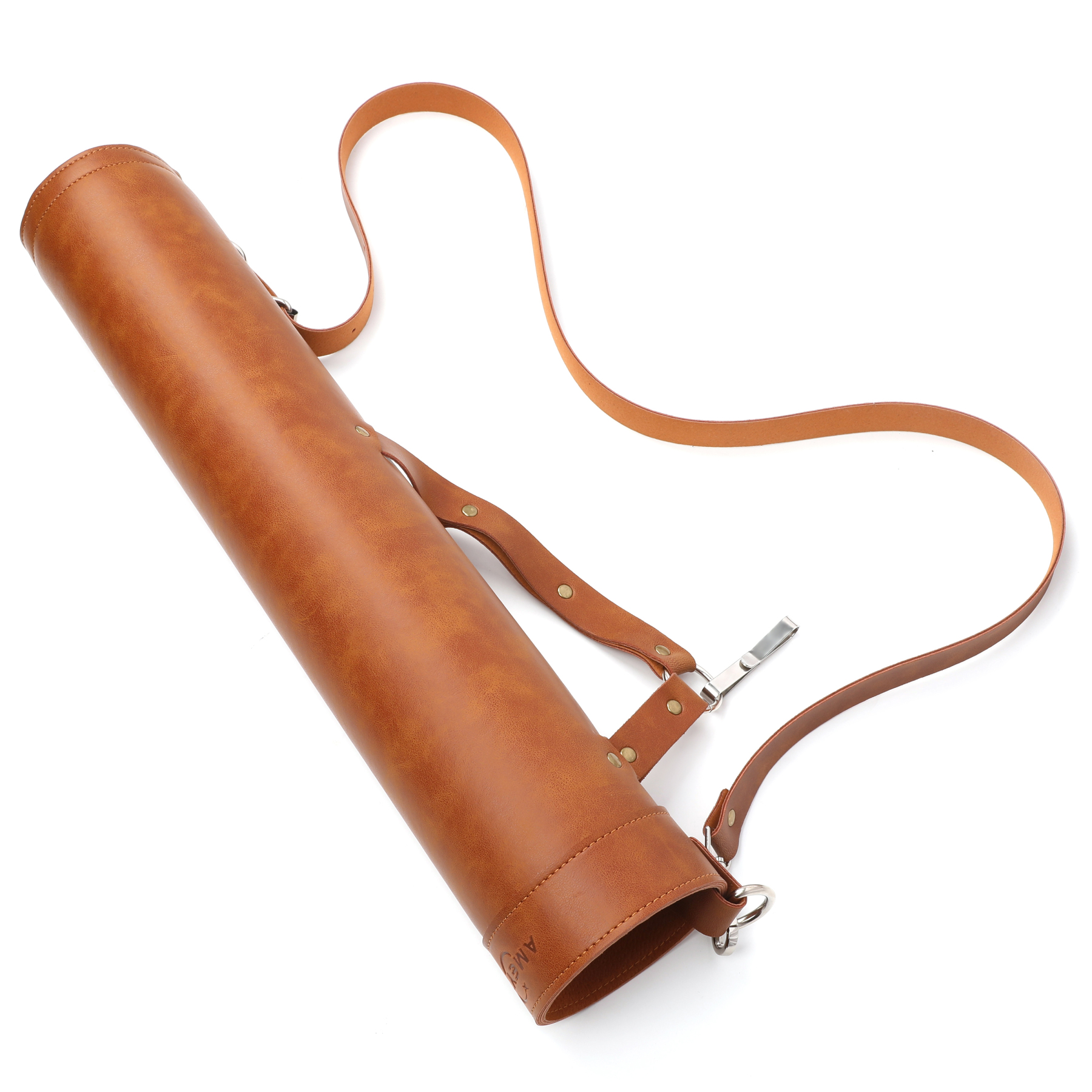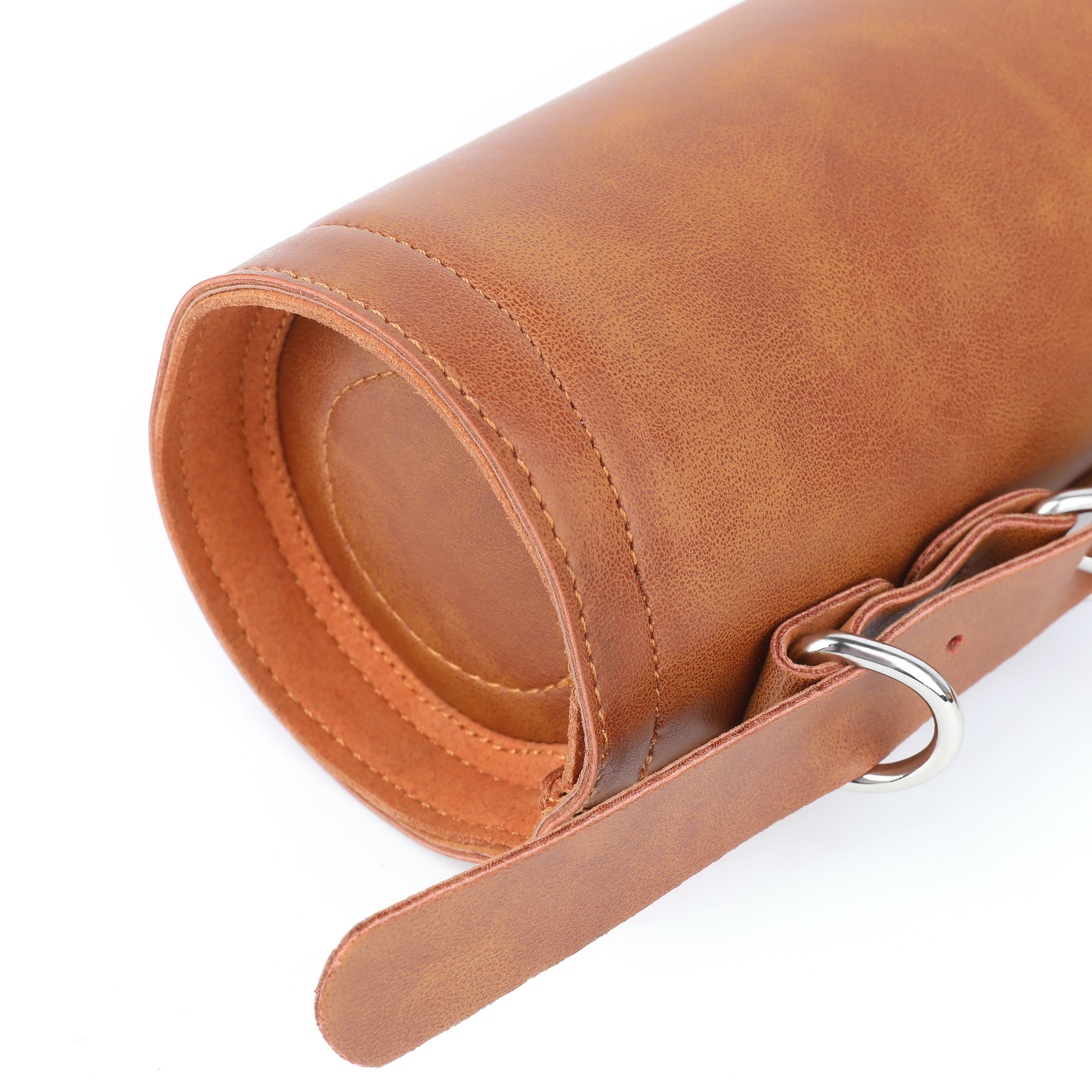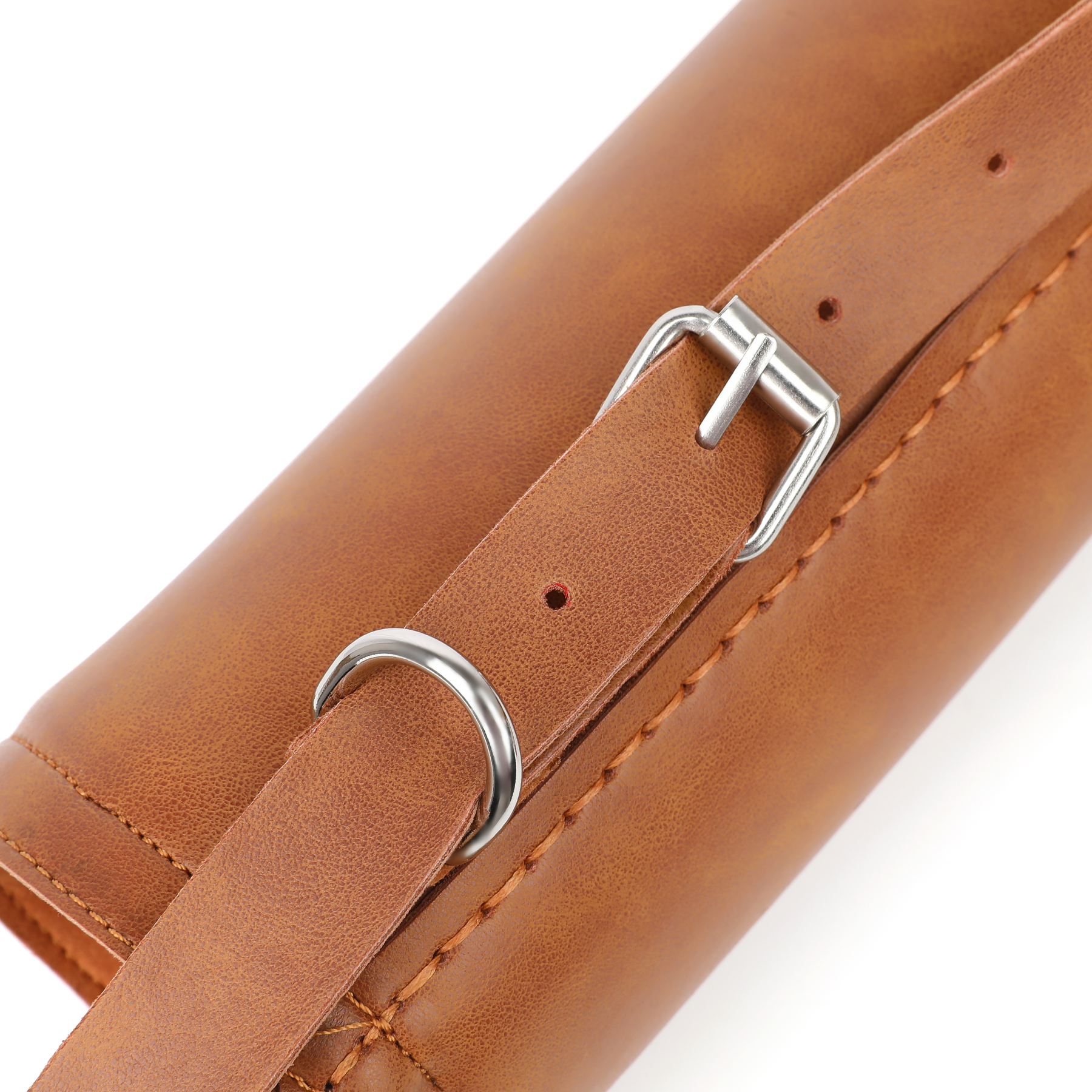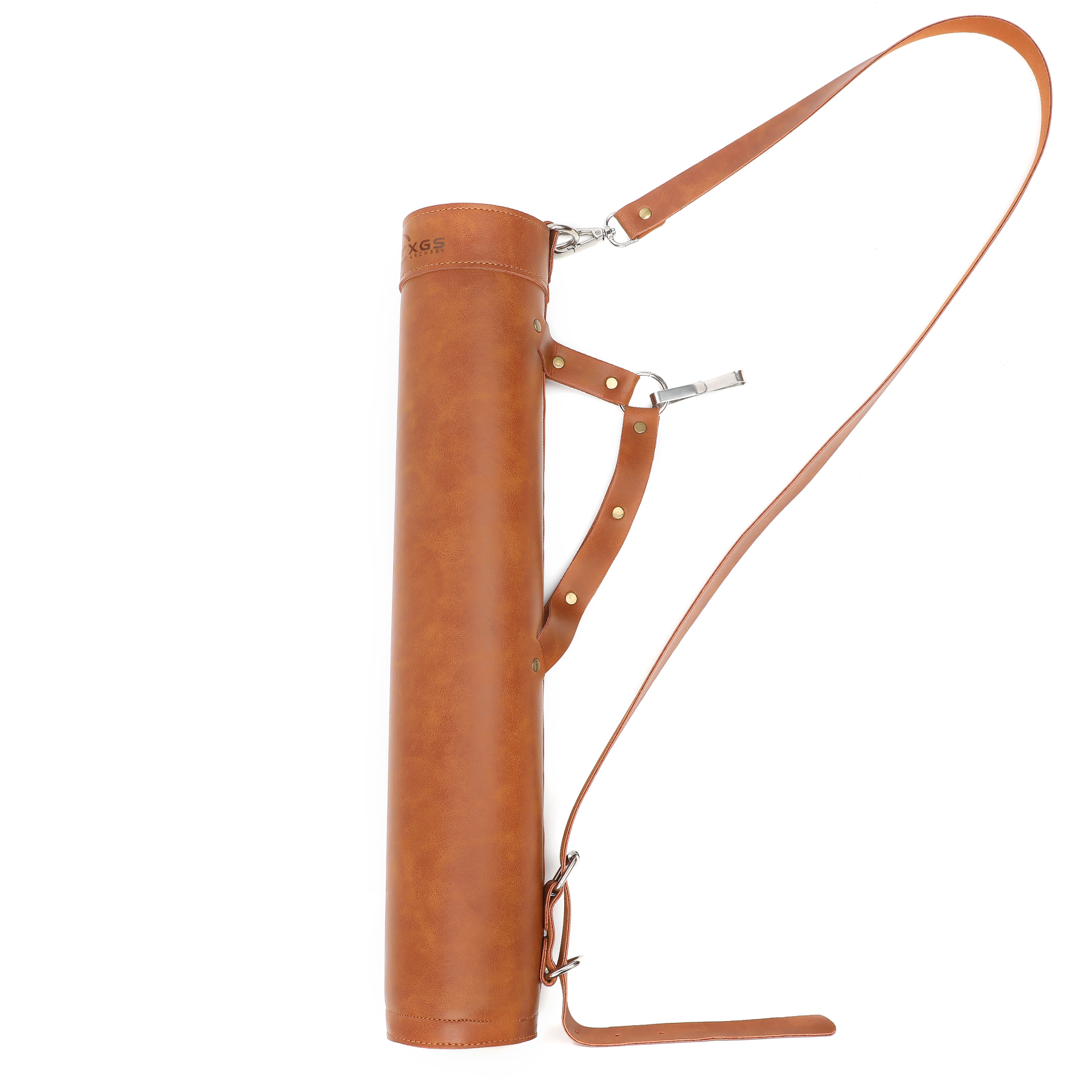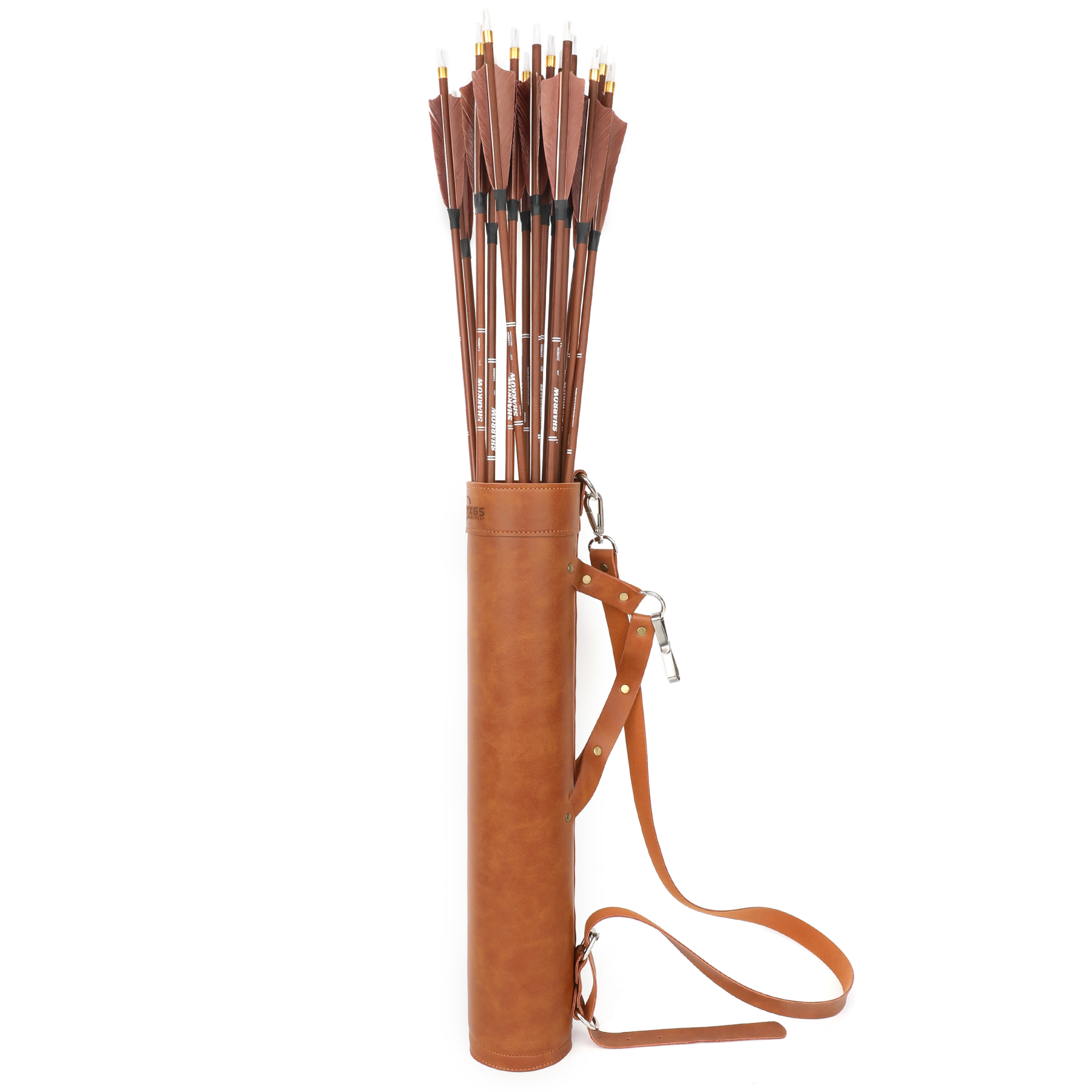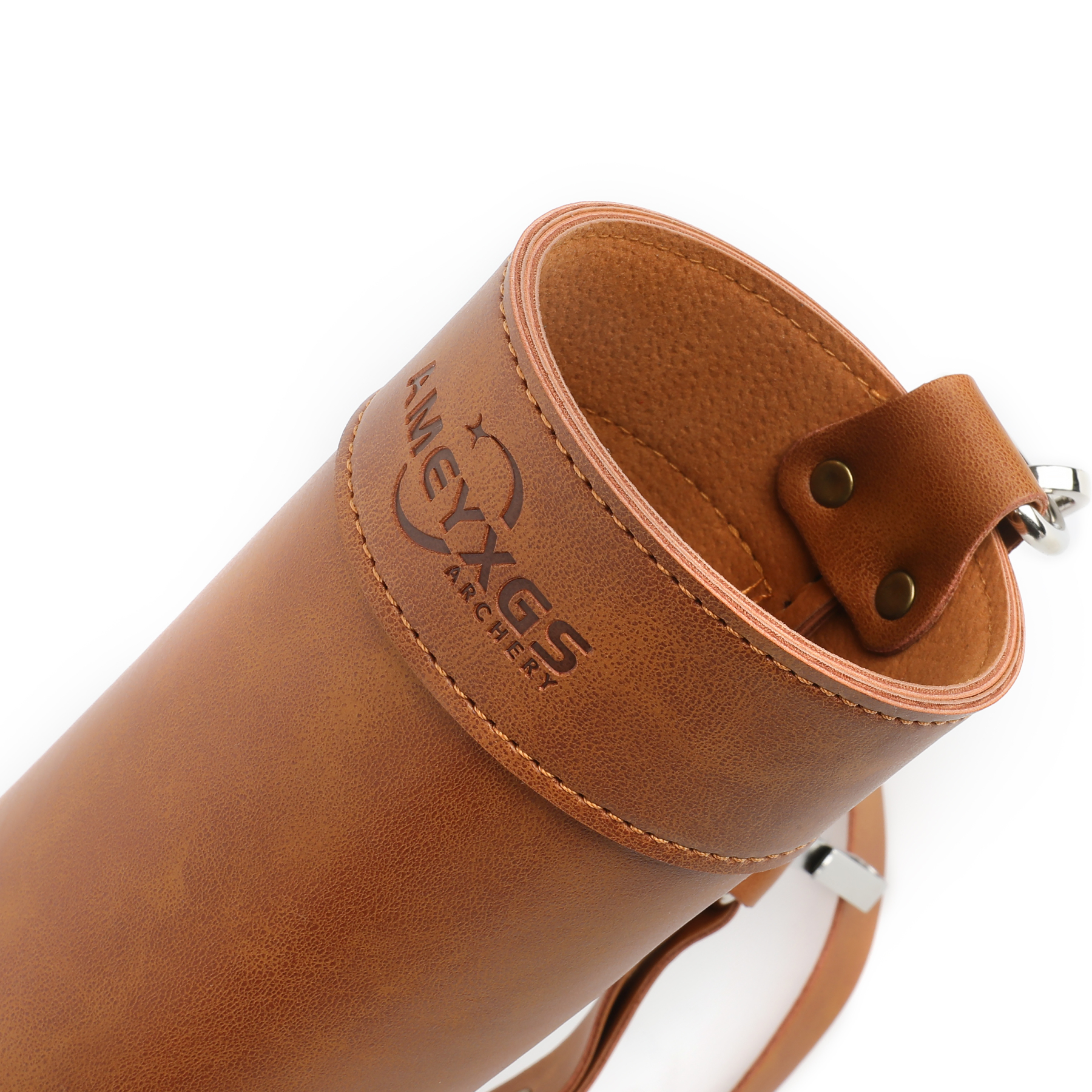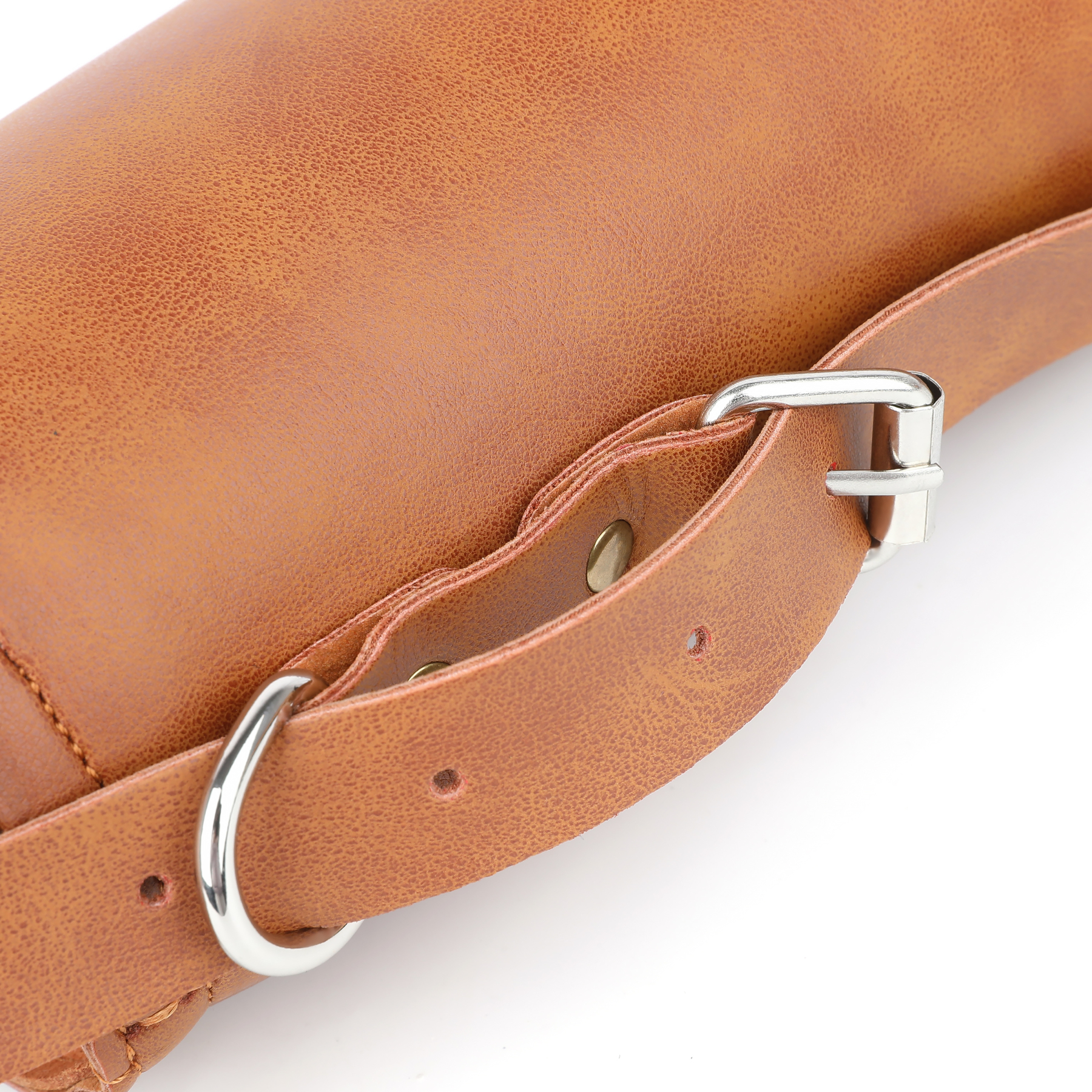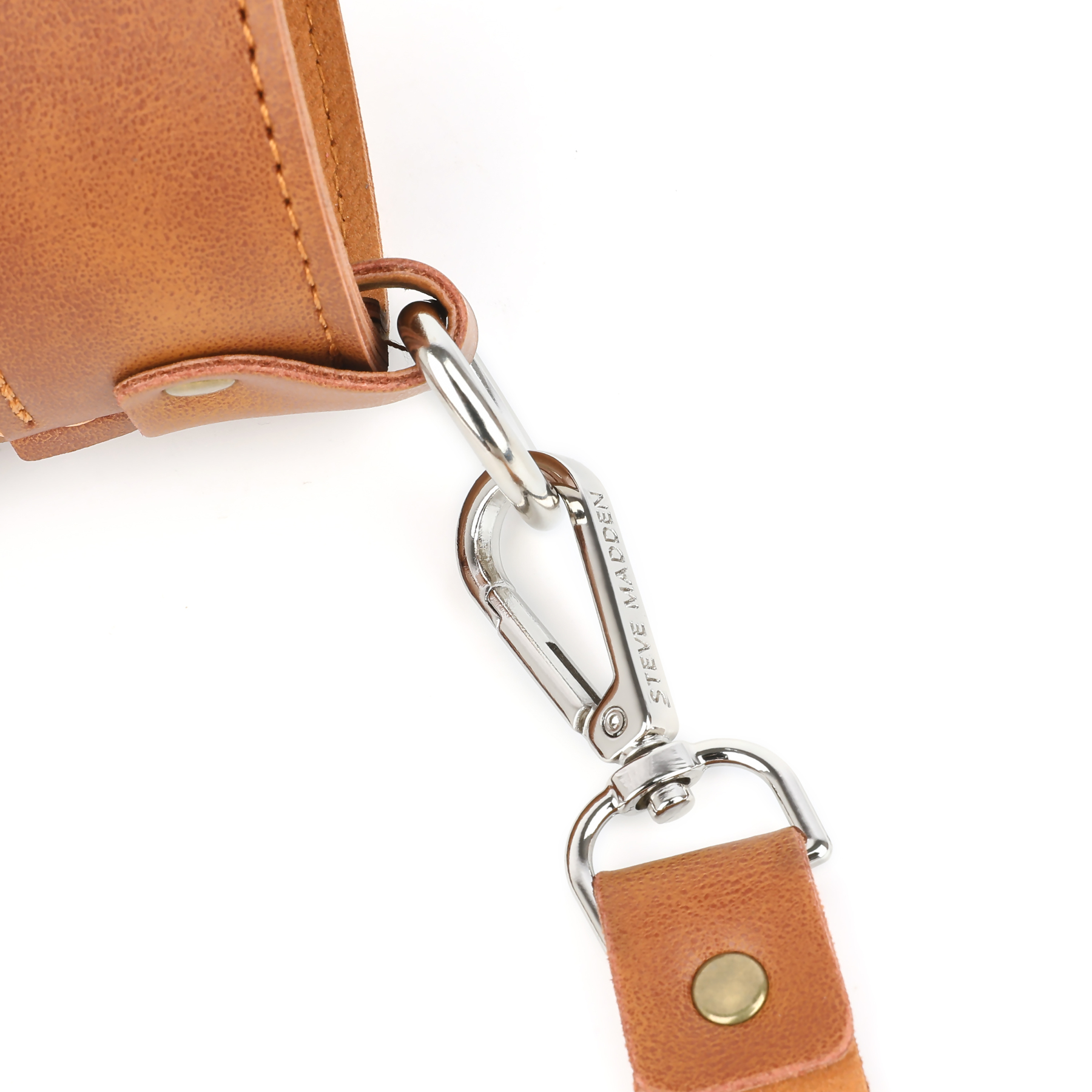
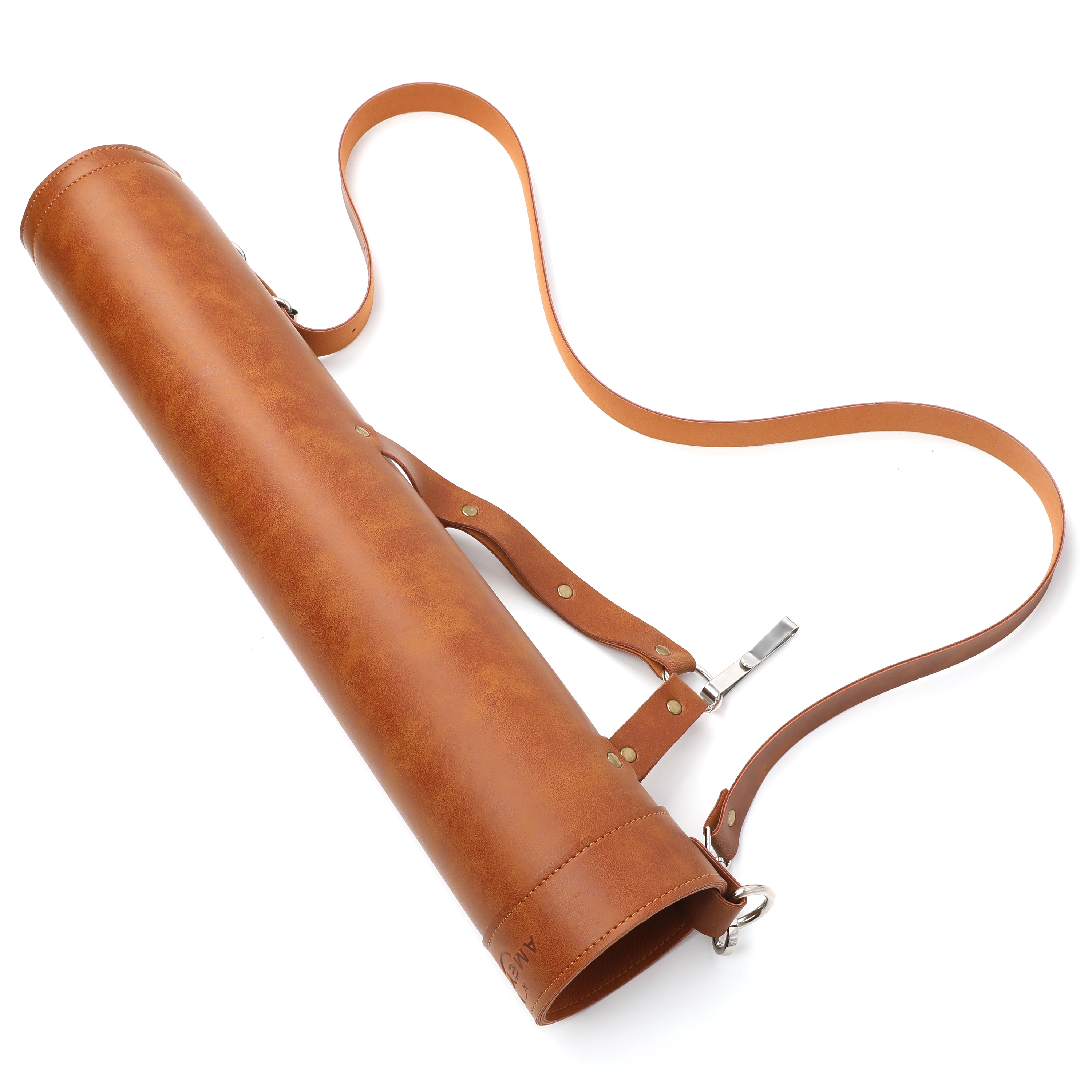
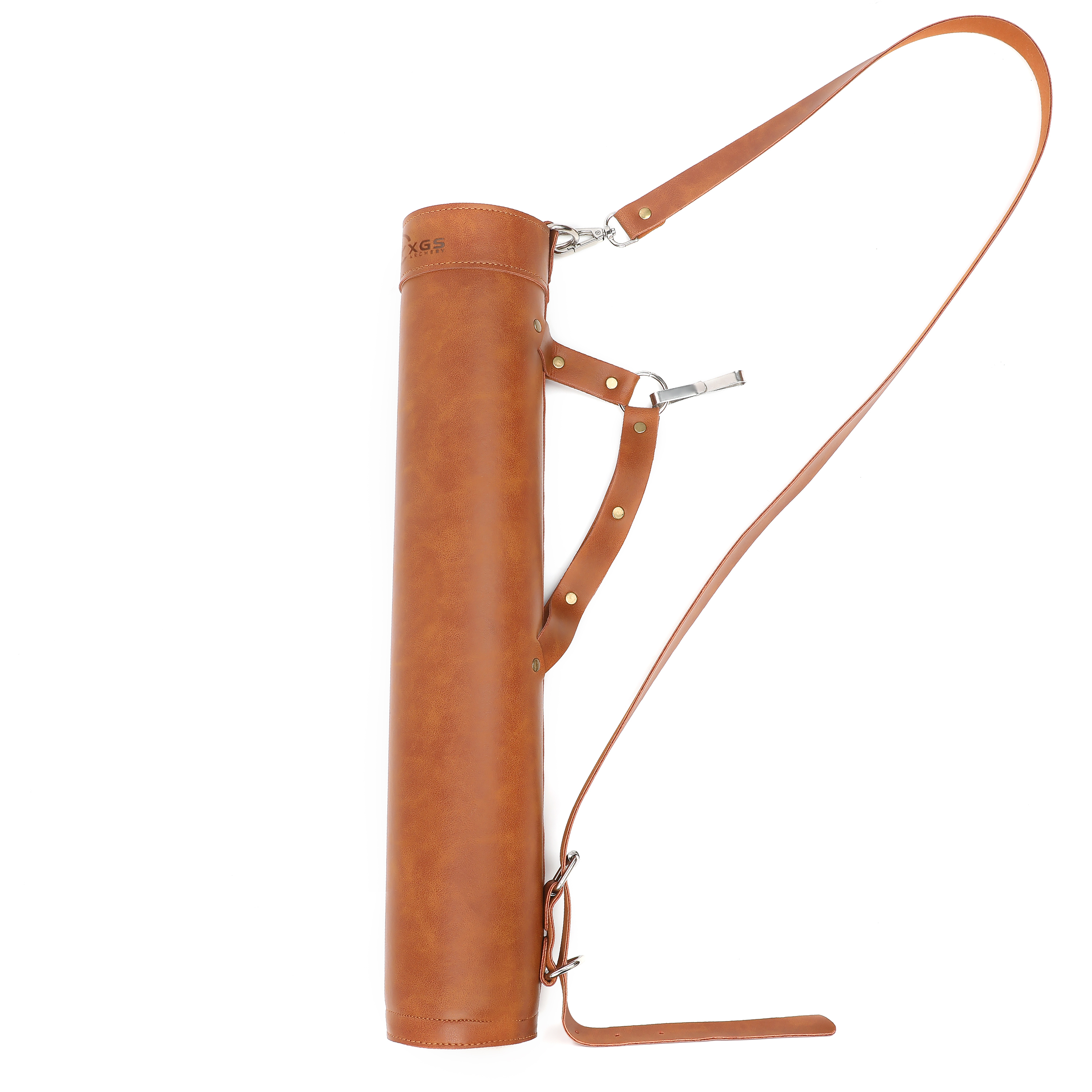
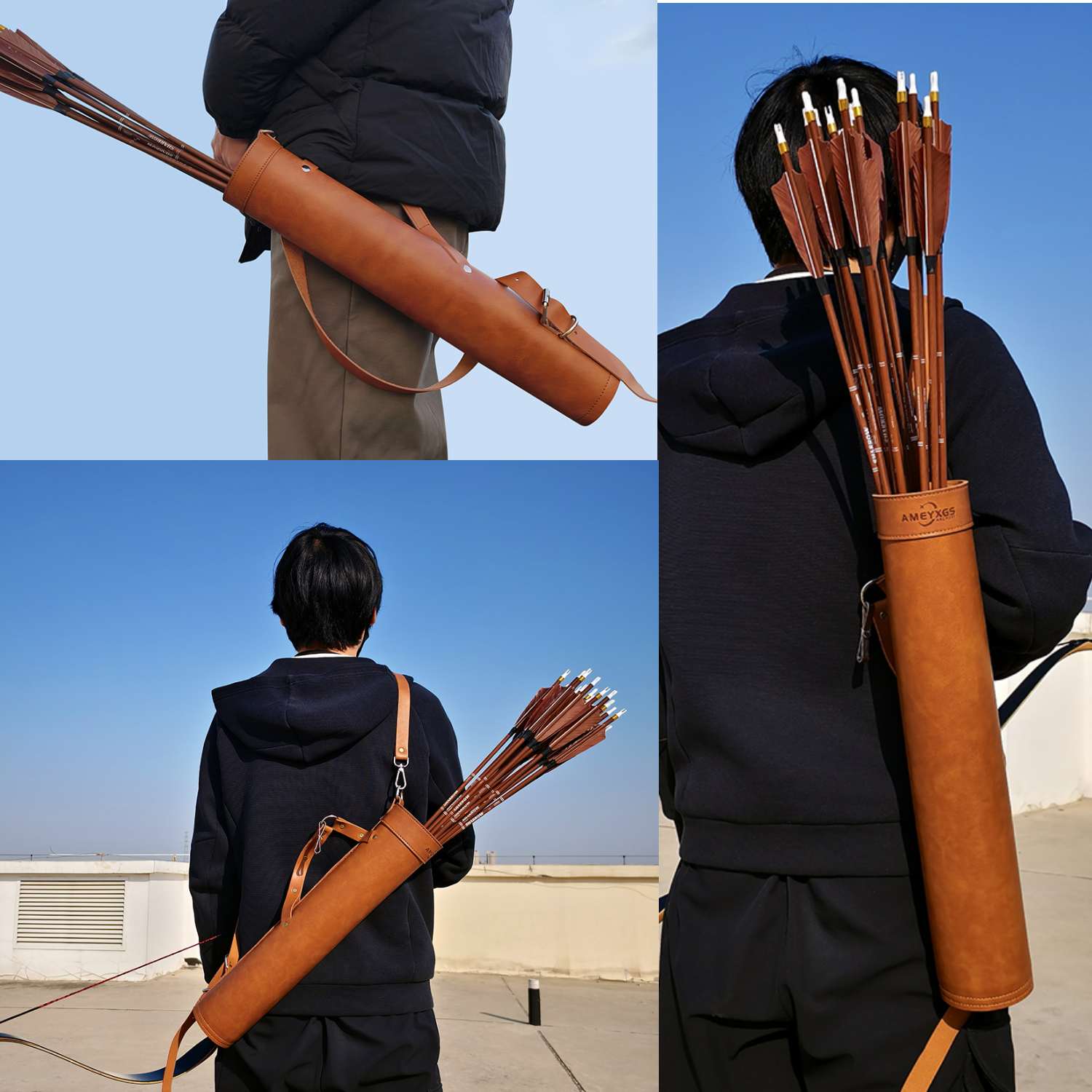
Arrow Quiver
| Attribute | Details |
|---|---|
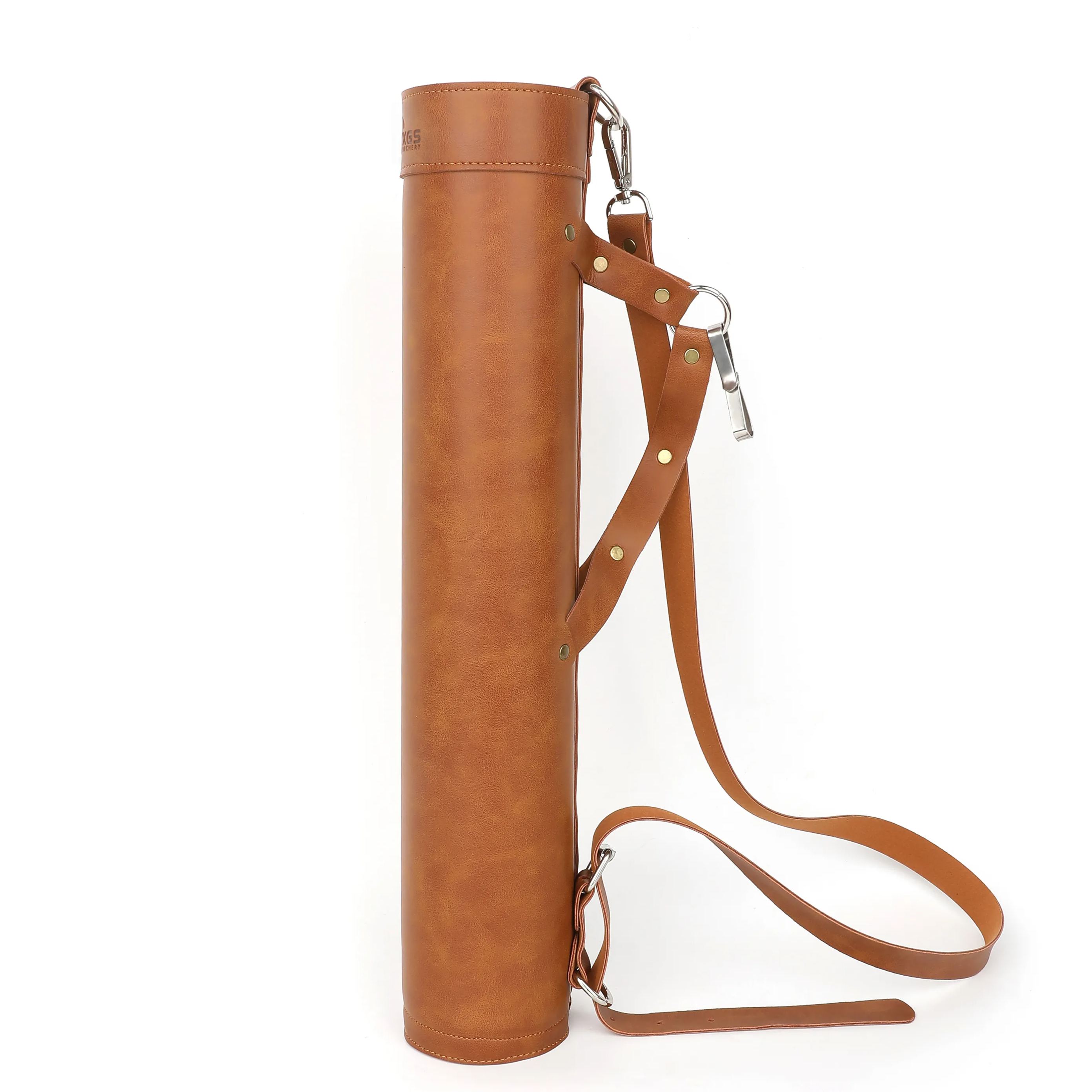
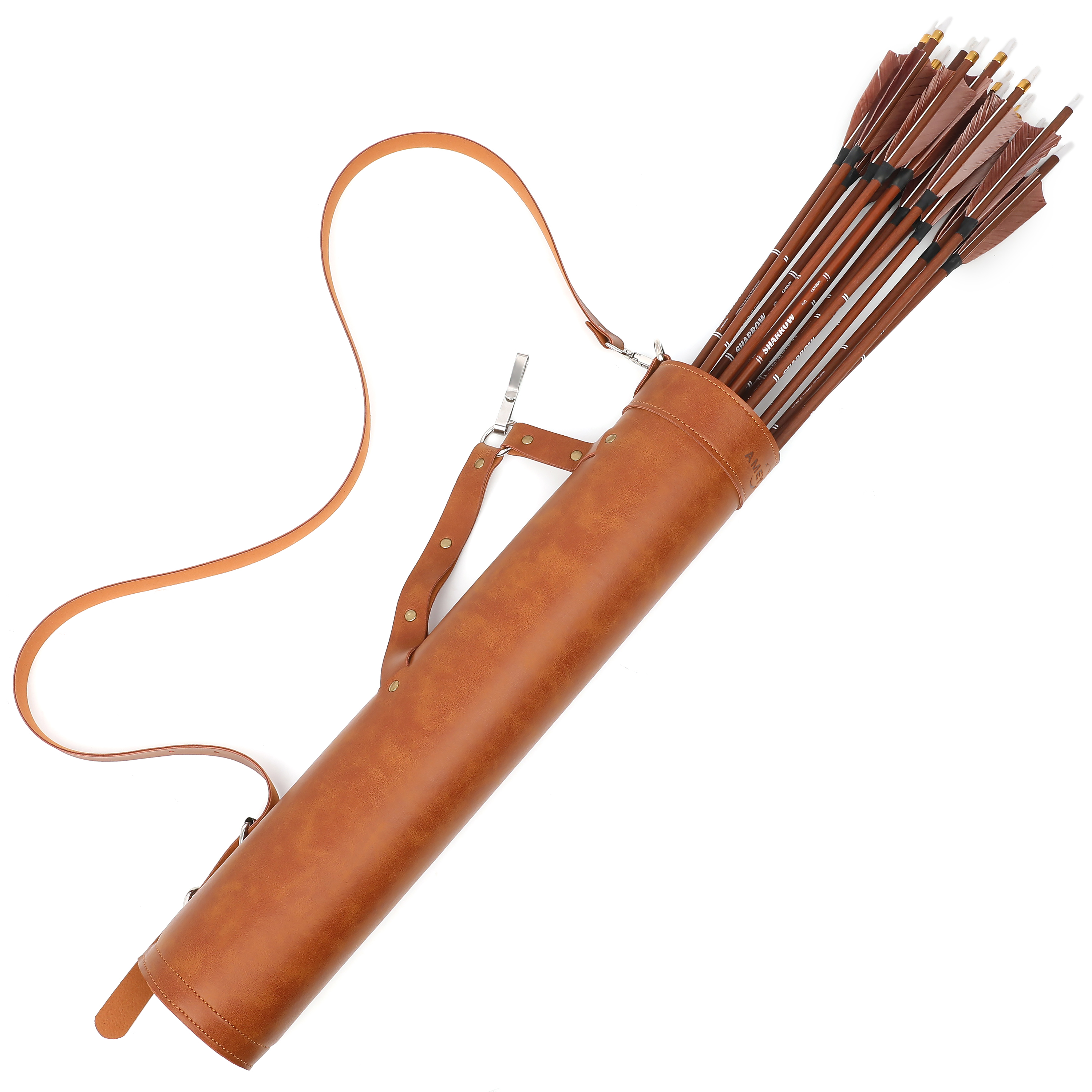
| Color | Brown |
| Weight | About 277 g |
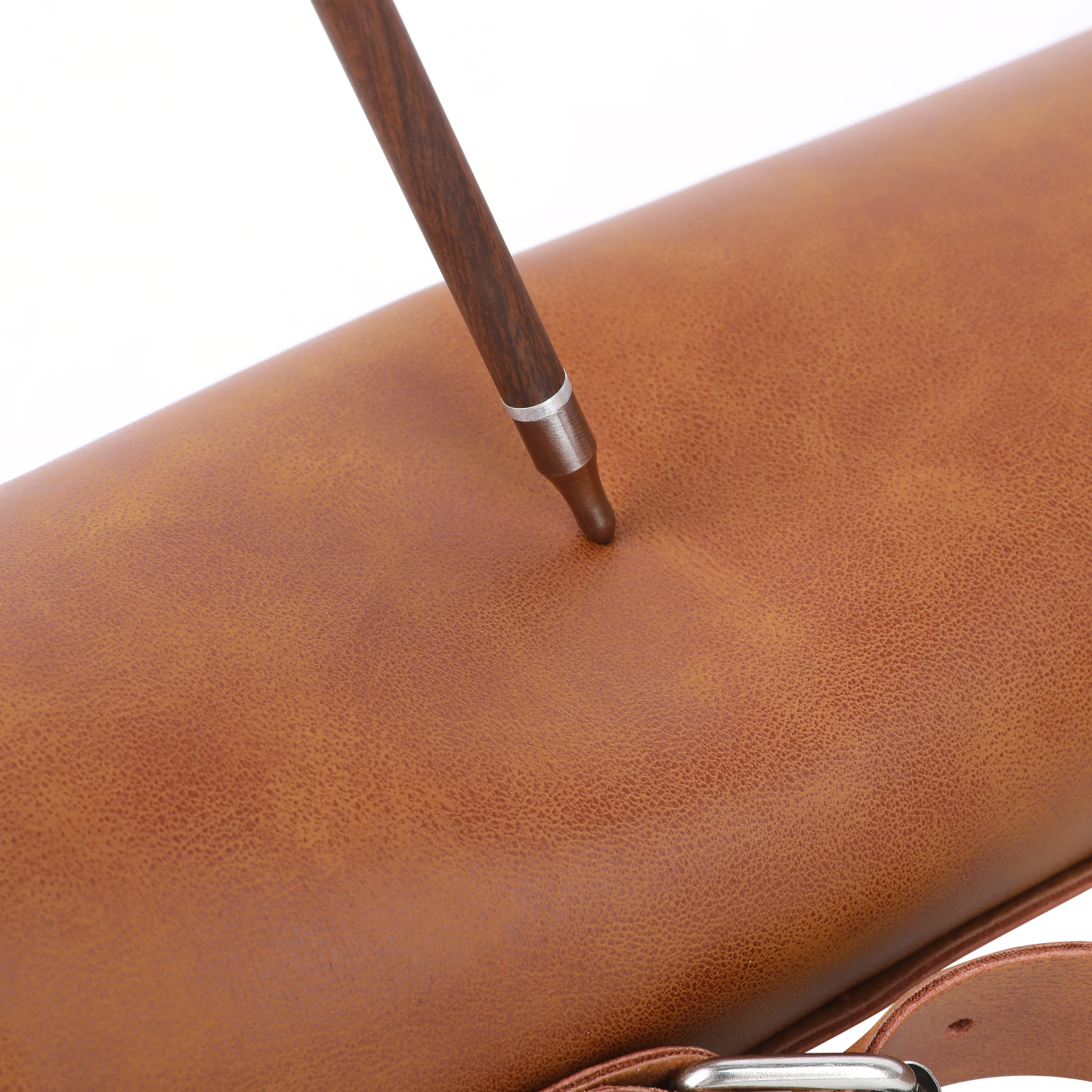
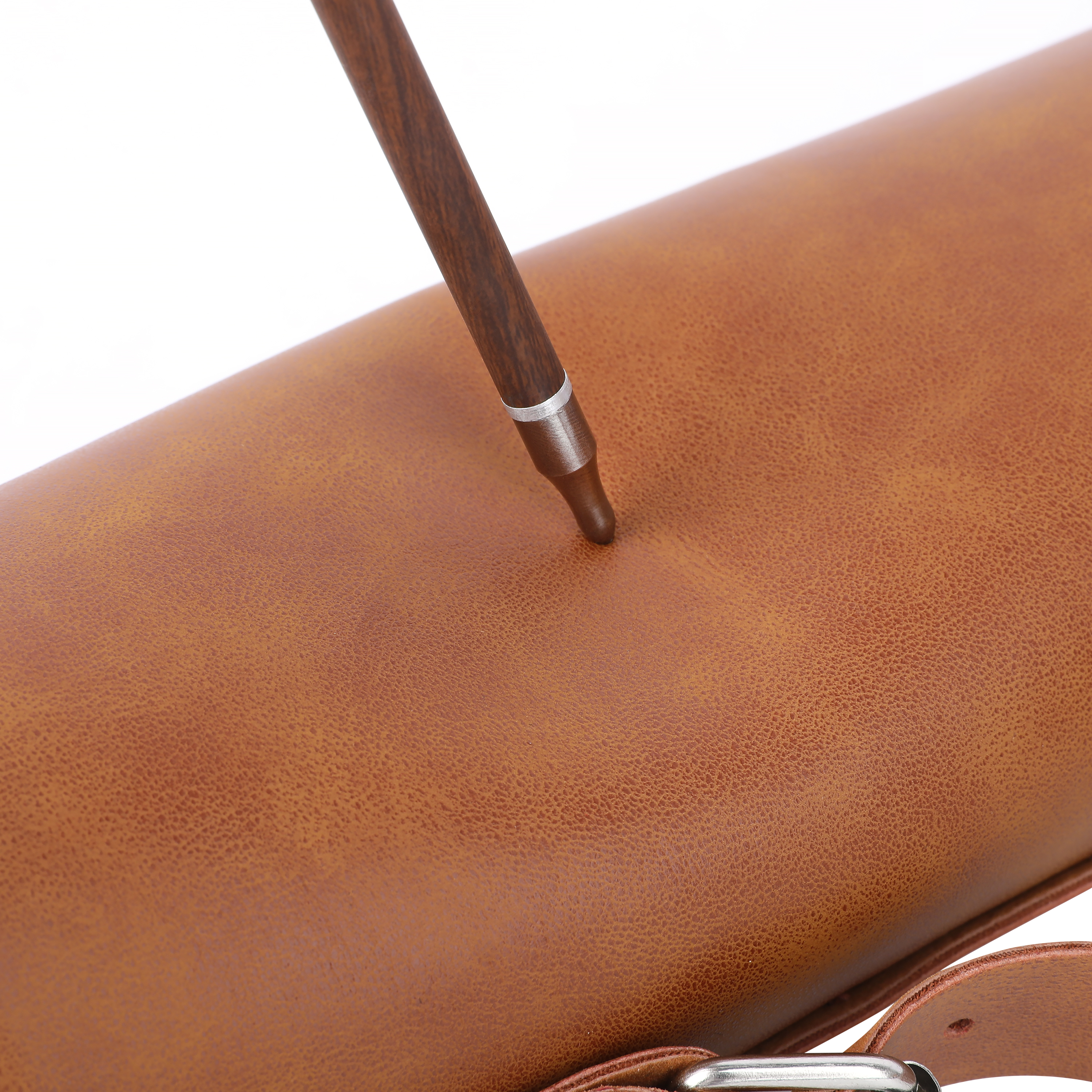
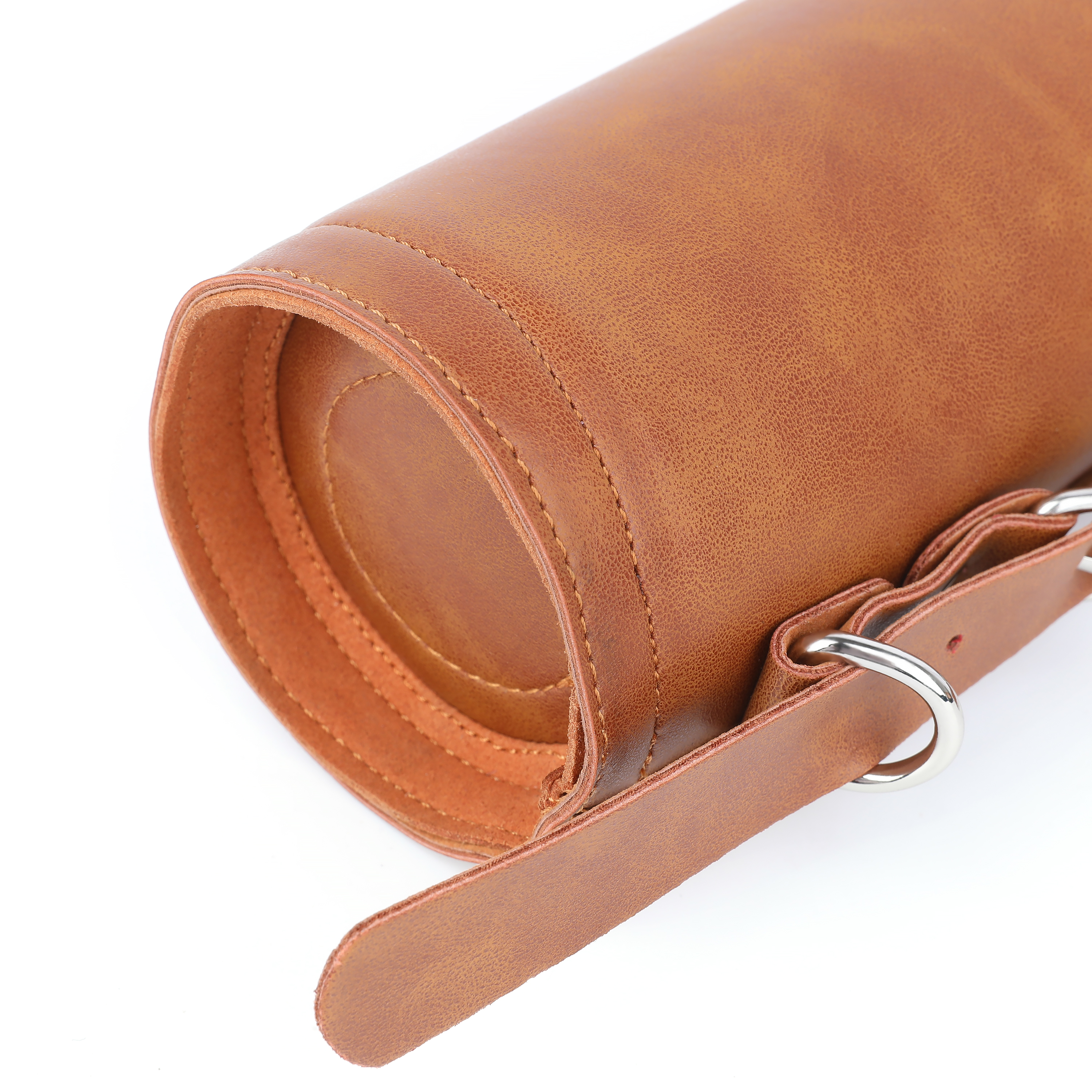
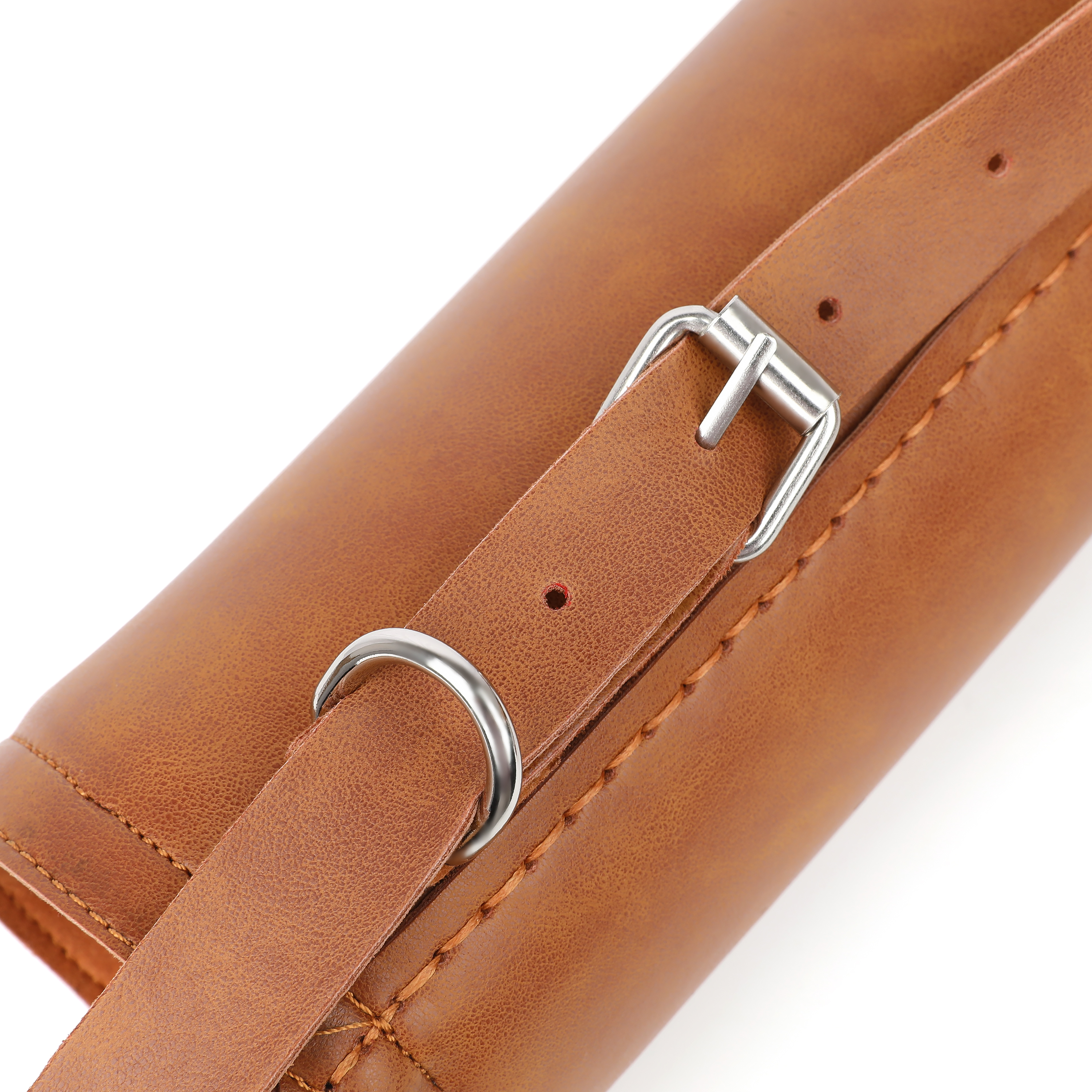
| Material | Leather |
| Size | 19.2 × 3.8 × 3.8 inches / 48.8 × 9.7 × 9.7 cm |
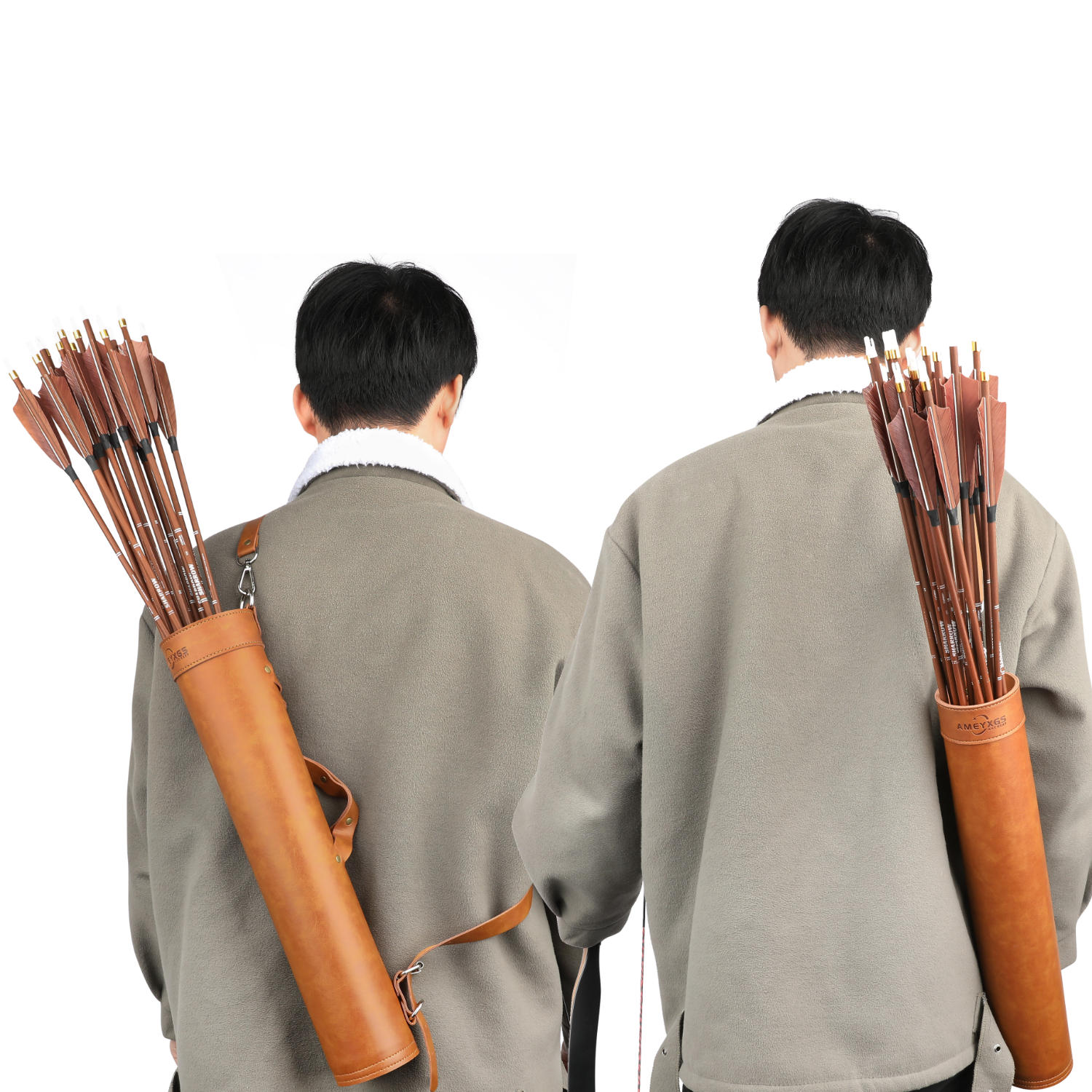
| Dexterity | LH or RH (Ambidextrous) |
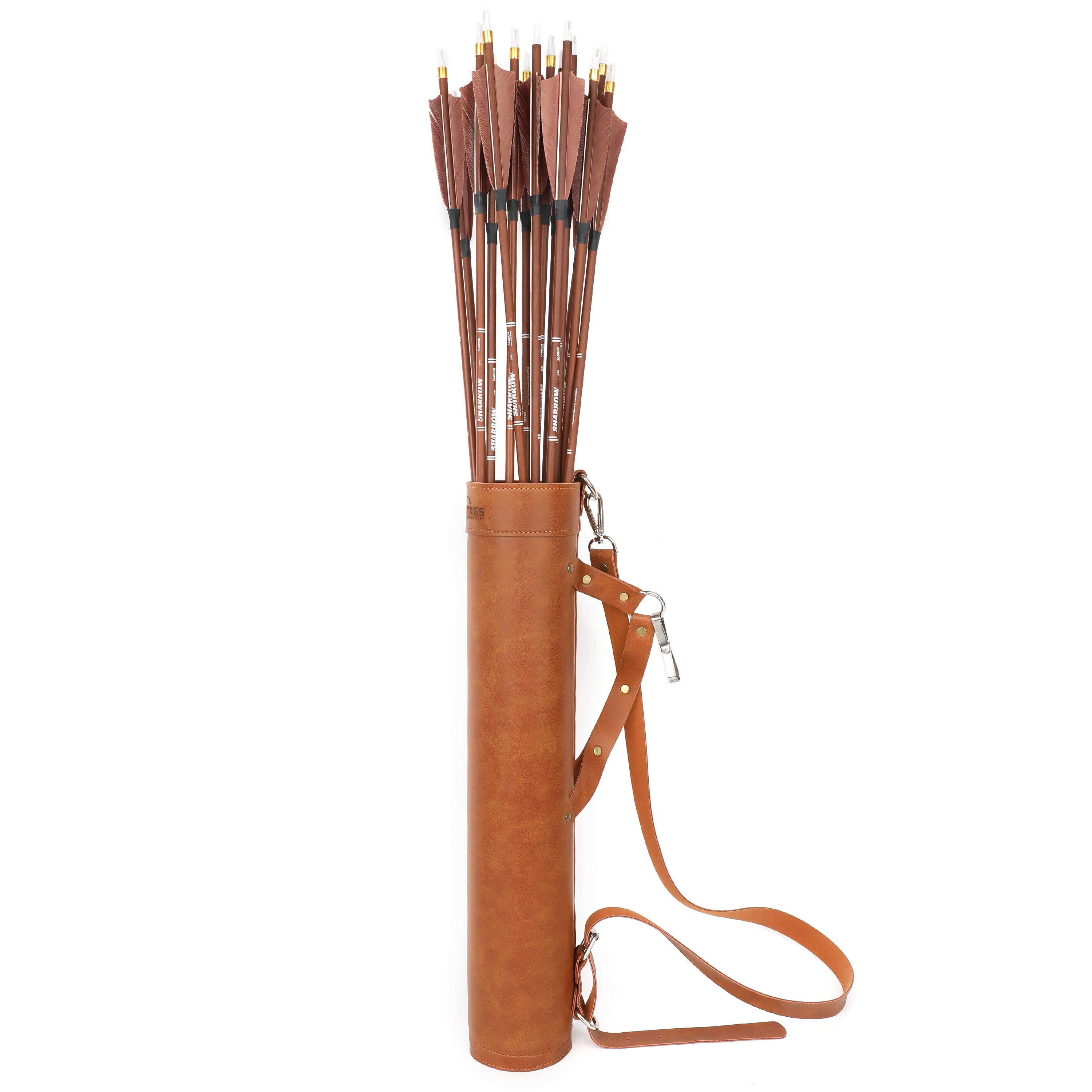
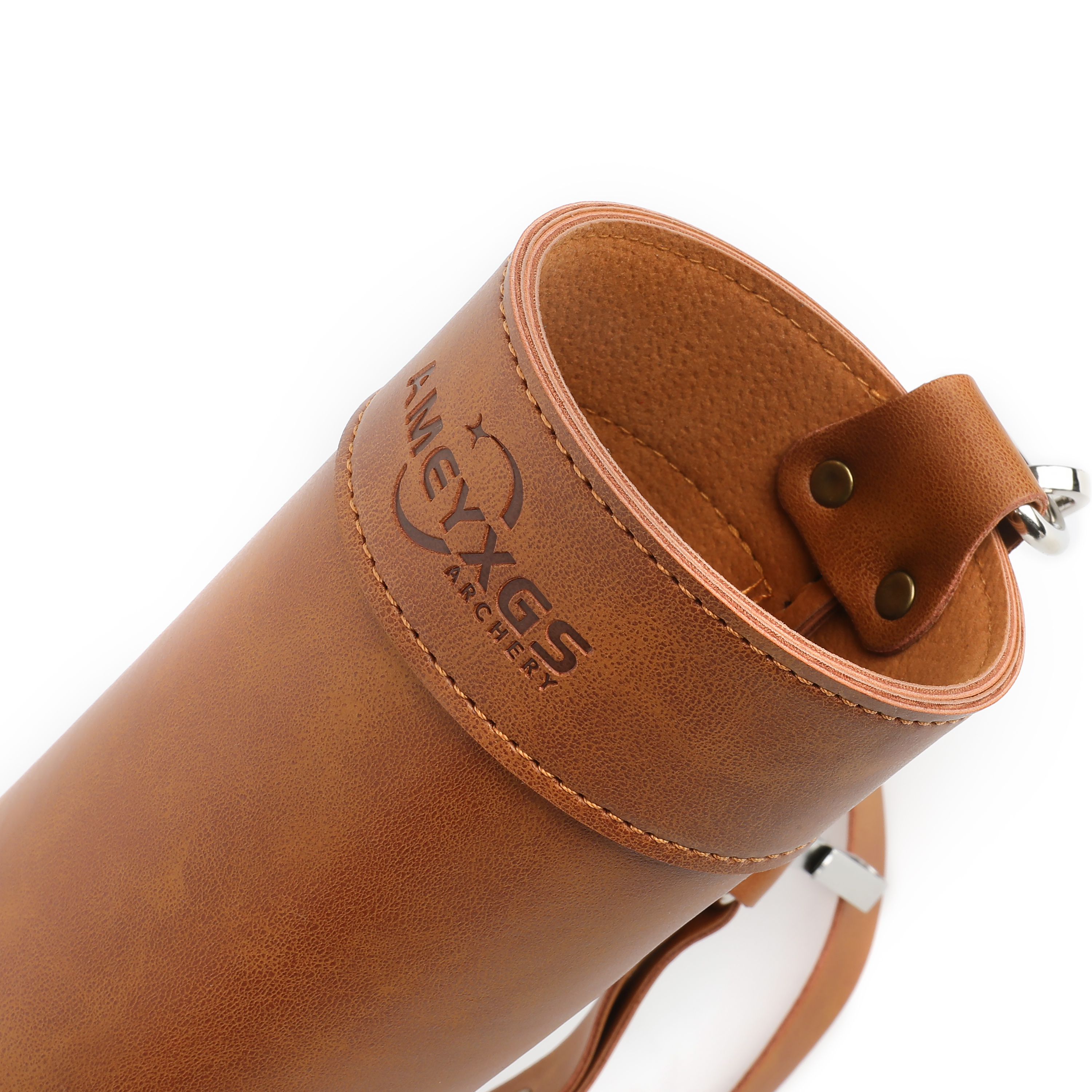
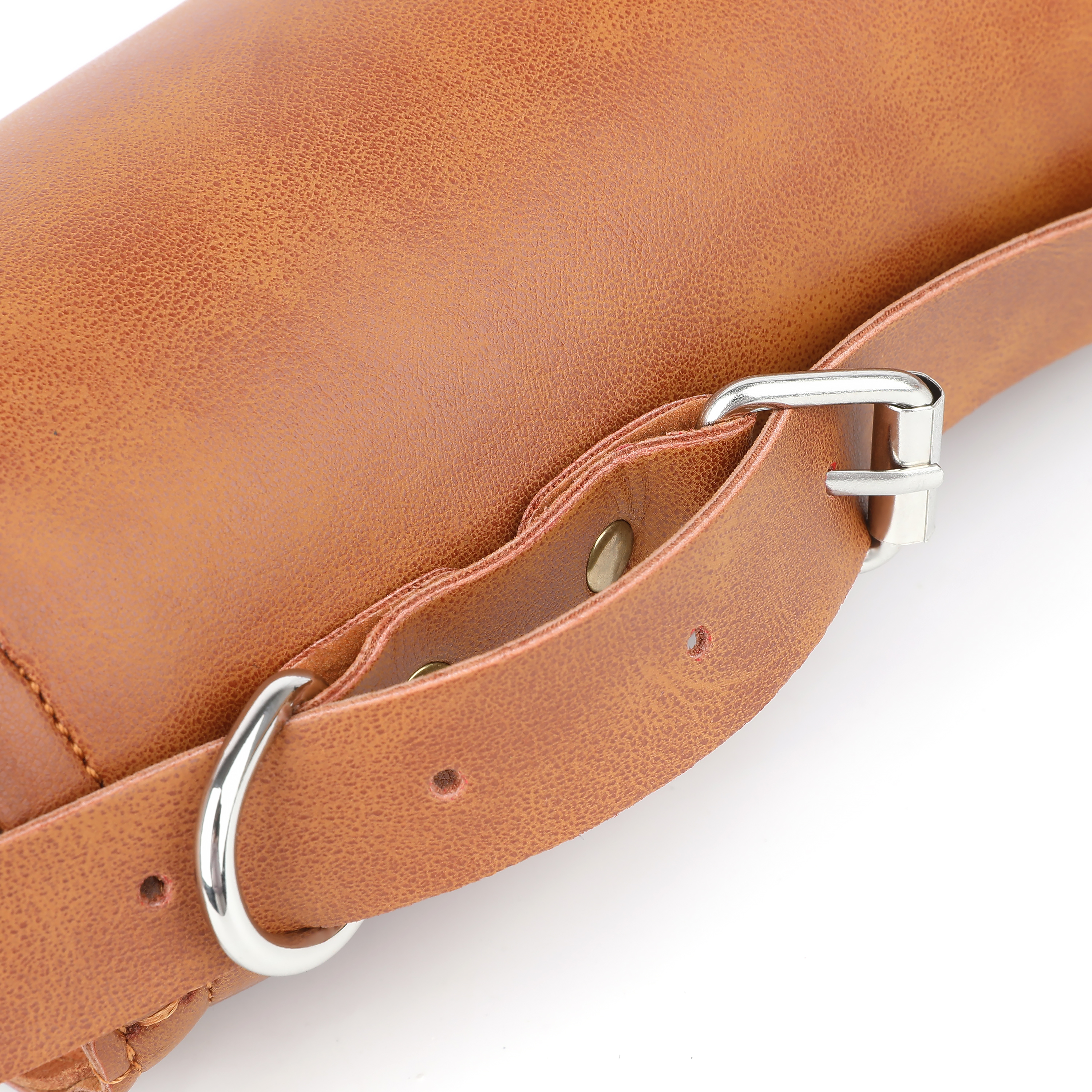
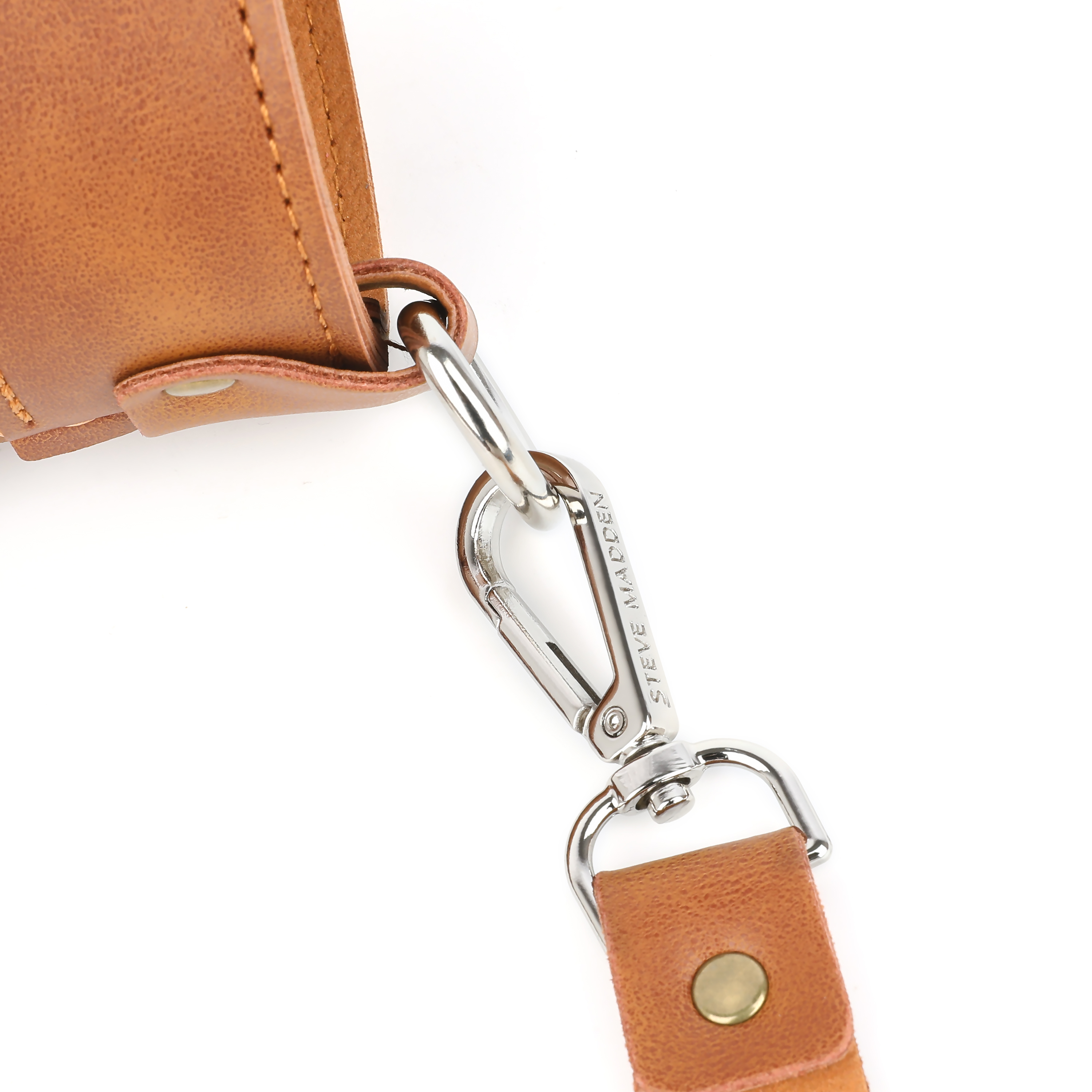
Features:
Product Details:
Package:
1pc arrow quiver(no arrows!)
-2.jpeg?w=3000&h=3000)
.jpeg?w=1000&h=1000)
.jpeg?w=1000&h=1000)
.jpeg?w=1000&h=1000)
.jpeg?w=1000&h=1000)
| Archer’s Weight | Suggested Draw Weight |
| Small Children (30-45 kg.) | 10-15 lbs |
| Larger Children (45-60 kg.) | 15-25 lbs |
| Small-Frame Female (45-60 kg.) | 25-35 lbs |
| Medium-Frame Female (60-70 kg.) | 25-35 lbs |
| Small-Frame Male (55-70 kg.) | 30-45 lbs |
| Medium-Frame Male (70-80 kg.) | 40-55 lbs |
| Large-Frame Females (70+ kg.) | 30-45 lbs |
| Large Frame Men (80+ kg.) | 45-60 lbs |
1. Start with proper instruction: It is important to learn the correct form and technique from a qualified instructor. This will help you develop good habits from the beginning and prevent potential injuries.
2. Choose the right equipment: Selecting the appropriate bow and arrows that suit your physique, strength, and skill level is crucial. Consult with an experienced archer or an archery shop to ensure you have the right gear.
3. Focus on form and posture: Practice maintaining a stable stance, proper hand placement, and consistent anchor points. Developing good form early on will greatly enhance your accuracy and consistency.
4. Take it slow: Don't rush your progress in archery. Start at a comfortable distance and gradually increase as you become more confident in your abilities.
5.Practice regularly: Consistent practice is key to improving your skills in archery. Aim for regular sessions to build muscle memory, strength, and accuracy.
6.Be patient: Archery requires time and dedication to master. Don't get discouraged if progress seems slow at first; keep practicing, stay positive, and celebrate small victories along the way.
7.Safety first: Always prioritize safety when practicing or shooting arrows. Follow all safety guidelines provided by your instructor or range operator to avoid accidents or injuries.
8.Seek feedback: Request feedback from experienced archers or coaches to identify areas of improvement in your technique or equipment setup.
9.Have fun! Remember that archery is not just about hitting bullseyes; it's also about enjoying yourself while honing a new skill. Embrace the process of learning and enjoy every shot!
The above are some suggestions for archery novices, please feel free to consult Wolfman Archery for more guidance.
Wolfman Archery Arrow Selection Guide
Measure your arm span (fingertip to fingertip) in inches and divide by 2.5.
Example: 70 inches arm span ÷ 2.5 = 28-inch draw length.
Youth/Beginner: 15-30 lbs
Intermediate: 30-50 lbs
Experienced/Target Shooting: 50-70 lbs
Hunting: 40-70 lbs (state regulations may apply)
Arrow spine ensures the arrow flexes correctly when shot. Match your draw weight and arrow length to the appropriate spine:
| Draw Weight | Arrow Length | Recommended Spine |
|---|---|---|
| 15-30 lbs | 24-28 inches | 800-1000 |
| 30-40 lbs | 26-29 inches | 600-700 |
| 40-50 lbs | 28-30 inches | 500-600 |
| 50-60 lbs | 28-31 inches | 400-500 |
| 60-70 lbs | 29-32 inches | 300-400 |
Carbon: Lightweight, durable, fast (ideal for hunting and target shooting).
Aluminum: Affordable, consistent, slightly heavier (good for target practice).
Wood: Traditional look, best for longbows and historical archery.
Target Shooting: 5-6 GPP (grains per pound of draw weight)
Hunting: 6-9 GPP (heavier for better penetration)
Plastic Vanes: Best for compound bows and outdoor shooting.
Feathers: Great for traditional bows and indoor shooting.
Field Points: Practice and target shooting.
Broadheads: Hunting (fixed or mechanical blades).
For personalized recommendations, visit Wolfman Archery or contact our experts!