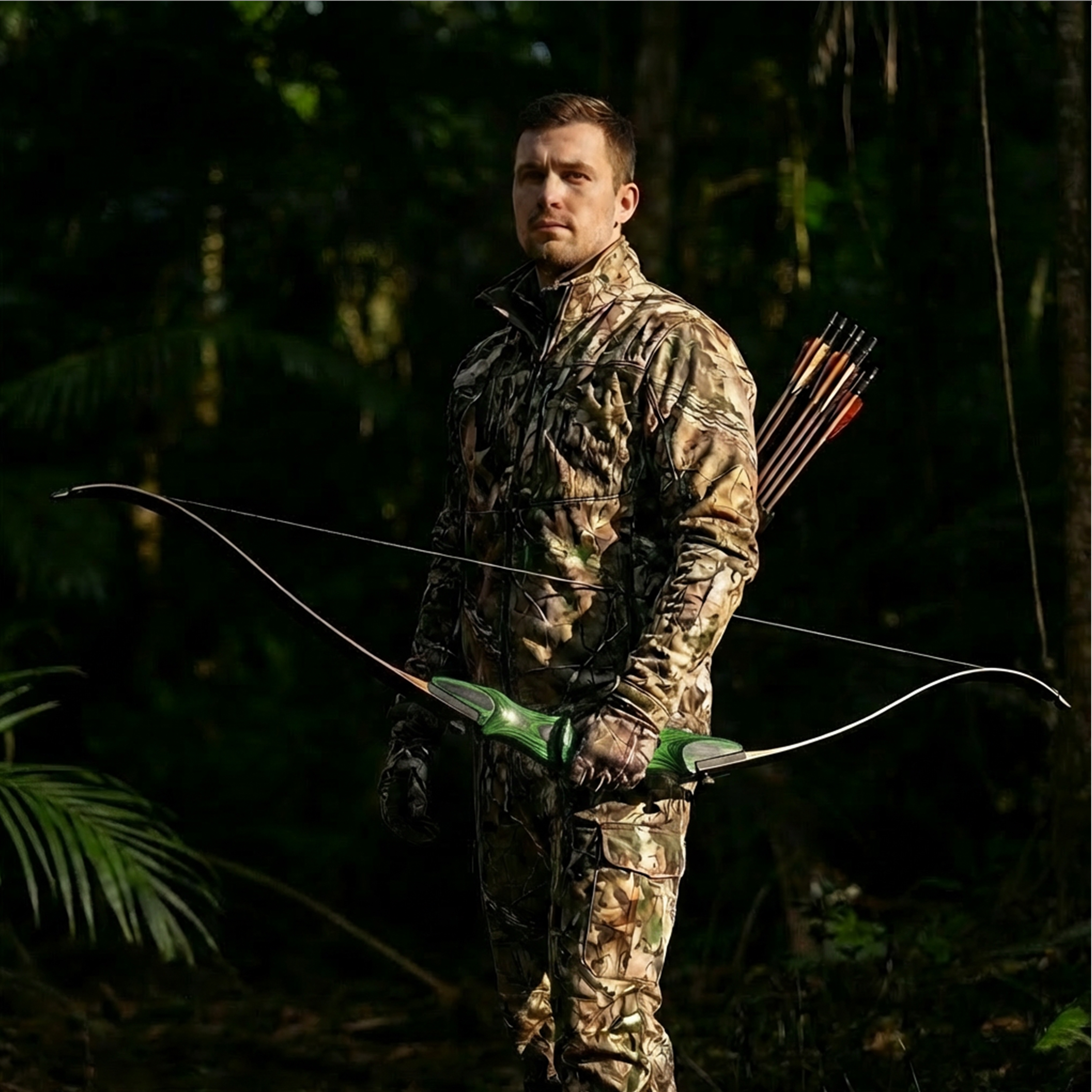
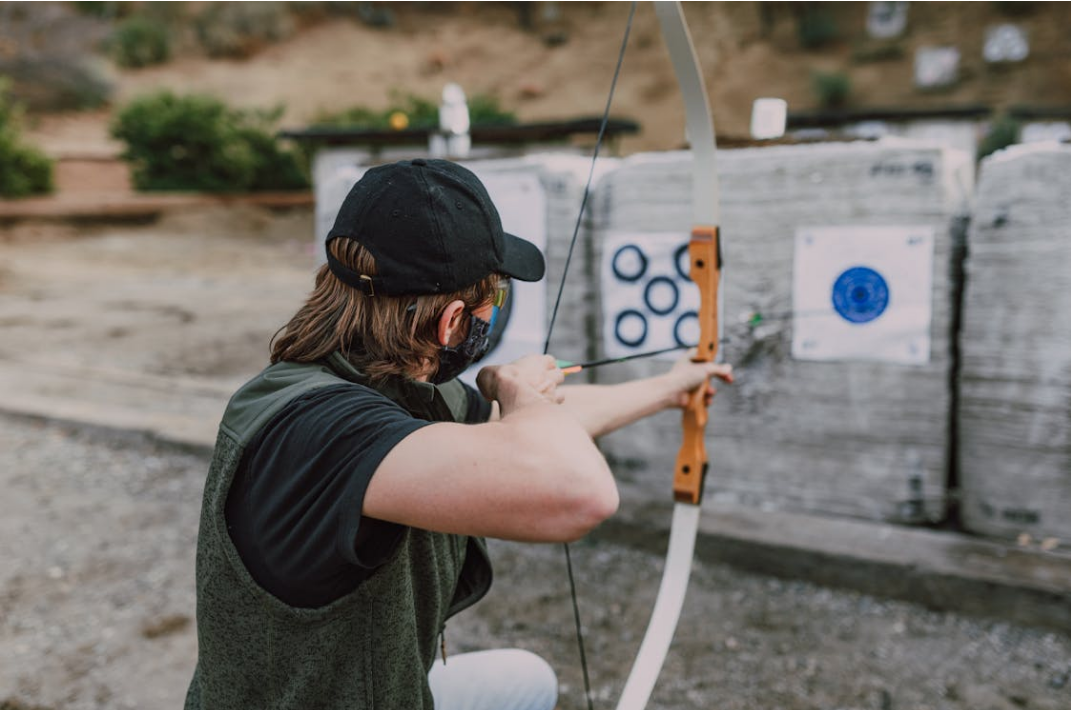
Choosing your first bow is exciting… and a little intimidating. With so many styles, weights, and materials, it’s easy to feel lost. But don’t worry — picking the right bow doesn’t have to be overwhelming. The key is knowing what matters most for your skill level, goals, and comfort.
Whether you dream of target shooting, bowhunting, or backyard archery, this guide will help you navigate the basics, avoid common mistakes, and feel confident in your first bow purchase.
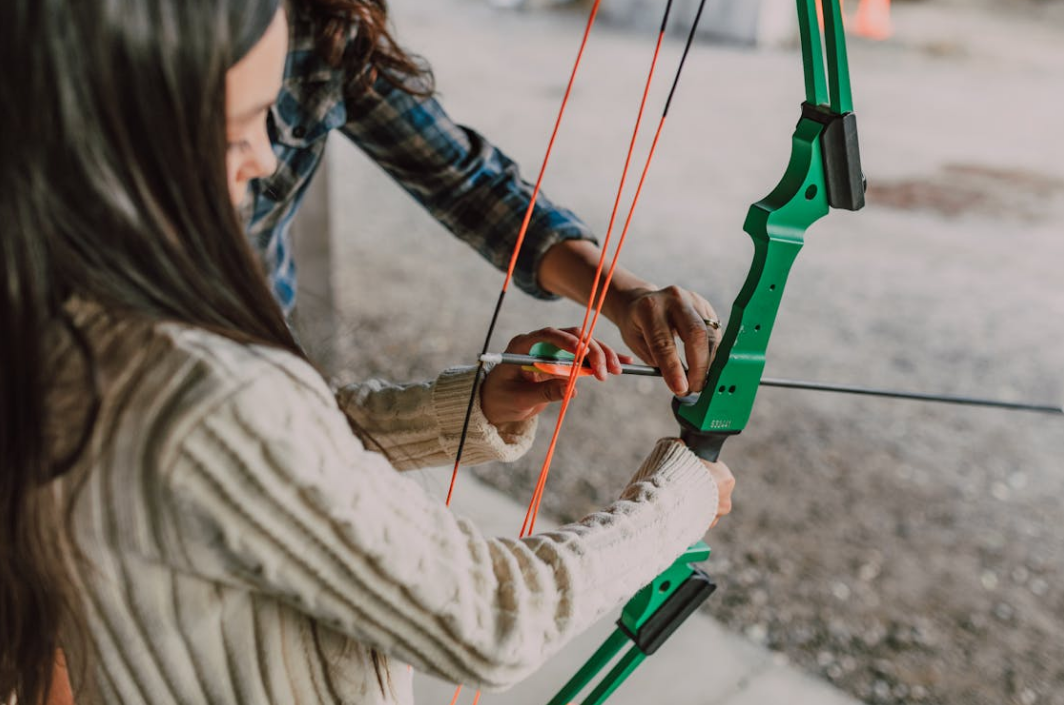
1. Understanding Bow Basics
Before browsing online or walking into a shop, it helps to know the main bow types. Understanding the differences now will save frustration later.
Recurve Bows:
-
Classic design with tips that curve away from you
-
Smooth, simple draw
-
No pulleys or cams
-
Ideal for beginners learning proper form or Olympic-style archery
Compound Bows:
-
Use cams and pulleys to reduce holding weight at full draw (let-off)
-
Allow higher draw weight and arrow speed
-
Precision-focused, great for target shooting and hunting
Longbows:
-
Tall, straight bows with minimal curve
-
Gentle, traditional feel but require more strength and consistency
-
Popular among historical archery enthusiasts
Flatbows / American Hunting Bows:
-
Wider, flatter limbs spread energy more evenly
-
Less hand shock, quieter release
-
Good for beginners wanting a traditional feel without harsh recoil
Key Bow Terms You Should Know:
-
Draw weight: How hard you pull the string
-
Draw length: How far the string travels
-
Bow length: Affects speed, stability, and handling
-
Let-off: Compound bow feature reducing holding weight
2. Why Choosing the Wrong Bow Can Be Frustrating
Many beginners start archery thinking all bows are essentially the same. Choosing a bow that doesn’t fit you can lead to:
-
Fatigue and sore muscles
-
Poor accuracy and inconsistent shots
-
Frustration and loss of motivation
Imagine this scenario: you buy a 50-pound longbow because it looks “cool.” After five arrows, your arms are burning, your back aches, and your confidence plummets. That’s why fit, weight, and comfort matter more than style or hype. Picking the right bow from the start saves time, energy, and disappointment.
3. Key Factors to Consider When Choosing Your First Bow
Factor 1: Your Strength and Physical Build
-
Recurve and longbows rely entirely on your muscles. If you’re smaller or new to archery, start lighter.
-
Compound bows help with heavier draw weights thanks to let-off, allowing longer aim without fatigue.
-
Tip: Try drawing a bow in-store or at a range before buying. Comfort is key.
Factor 2: Your Goals
-
Target shooting / Olympic style → Recurve
-
Hunting / Maximum power → Compound
-
Traditional or historical experience → Longbow / Flatbow
Factor 3: Your Comfort and Enjoyment
You’ll stick with archery longer if your bow feels good in hand. Consider:
-
Grip size
-
String feel
-
Smoothness of draw
4. Common Beginner Mistakes
Even experienced archers started somewhere, and many beginners make the same errors:
-
Choosing popular bows without testing: Just because everyone buys it doesn’t mean it’s right for you.
-
Ignoring draw weight: Too heavy = sore muscles; too light = wasted potential.
-
Skipping proper form practice: Bad habits develop quickly if technique isn’t learned alongside bow selection.
-
Assuming one bow fits all uses: Target bows and hunting bows differ significantly.
-
Neglecting arrow compatibility: Your bow is only as effective as the arrows it shoots.
5. Step-by-Step Guide to Picking Your First Bow
Step 1: Identify Your Bow Type
Think about what you want from archery. Try borrowing or renting bows of different types to feel the differences.
Step 2: Measure Your Draw Length
Draw length affects arrow spine, bow performance, and comfort. Stand relaxed, extend one arm fully, measure fingertip to fingertip, then divide by 2.5 — that’s a good starting estimate.
Step 3: Select a Comfortable Draw Weight
Start light. For beginners:
-
Recurve: 15–30 lbs
-
Compound: 20–35 lbs (let-off helps manage higher weight)
-
Longbow: 25–35 lbs
Step 4: Test the Bow
Shoot at different distances, notice:
-
Smoothness of draw
-
Noise or vibration
-
How comfortable it feels after 10–20 shots
Step 5: Consider Accessories
-
Arrow rest: Supports arrow; beginner bows may not need fancy rests.
-
Arm guard: Protects forearm from string slap.
-
Glove or finger tab: Prevents blisters and finger fatigue.
6. Real-Life Examples
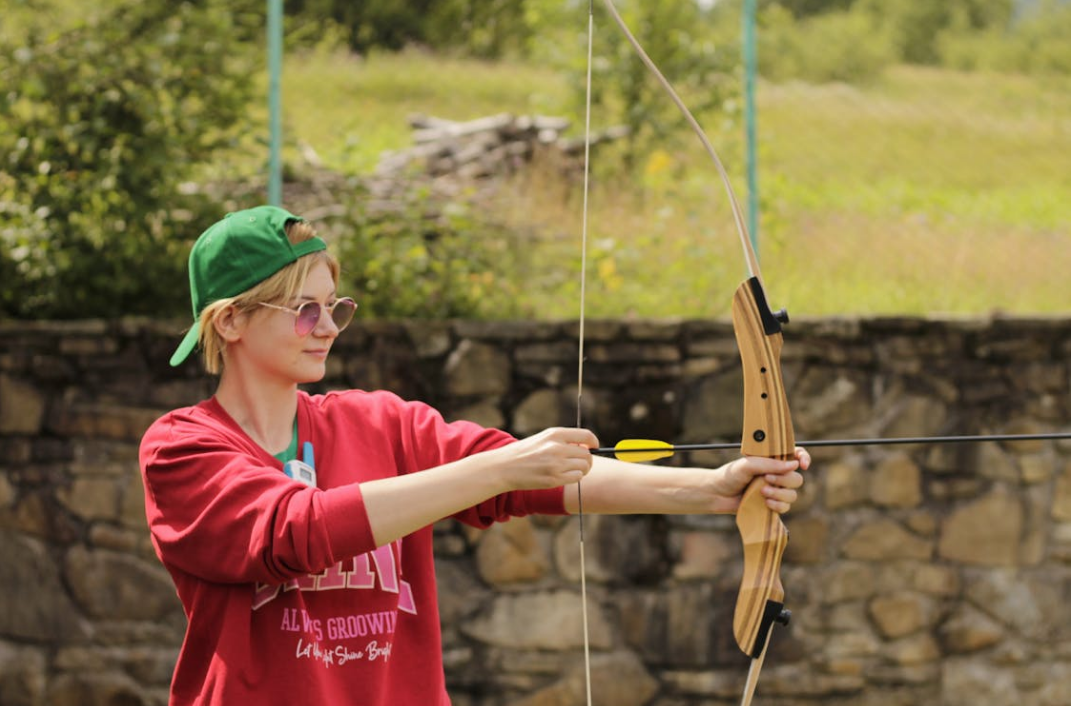
Case 1: Emma, 26, tried a 40-pound longbow on her first day. She struggled to hold it steadily, leading to frustration. After switching to a 25-pound recurve, she enjoyed longer practice sessions and improved accuracy quickly.
Case 2: Jason, 32, wanted a hunting bow. He started with a low-draw recurve and realized he couldn’t get the arrow to travel far enough. Switching to a compound bow with 35-pound let-off allowed him to aim longer and hit targets consistently.
Lesson: your first bow should match your body, goals, and skill level, not just what looks cool.
7. FAQs
Q1: Which bow is easiest for beginners?
Compound bows often feel easier due to let-off, but recurve bows teach better fundamental technique.
Q2: Can I switch bows later?
Absolutely! Many archers enjoy trying multiple styles once they learn proper form.
Q3: How much should I spend on my first bow?
Starter bows are affordable. Focus on quality, fit, and durability rather than bells and whistles.
Q4: Do I need special arrows for each bow?
Yes. Arrow length and spine must match your bow’s draw weight and type.
Q5: How do I know if a bow is comfortable?
Test it yourself. Draw multiple times, aim, and check how it feels in your hand and shoulder.
8. Recommended Bow Options for Beginners
Recurve Bow Setup:
-
Draw weight: 15–30 lbs
-
Simple stabilizer and arrow rest optional
-
Lightweight and easy to maintain
Compound Bow Setup:
-
Draw weight: 30–50 lbs with let-off
-
Sight and arrow rest included
-
Durable arrows for consistency
Longbow / Flatbow Setup:
-
Draw weight: 25–35 lbs
-
Ideal for traditional archery
-
Minimal accessories
9. Conclusion
Choosing your first bow doesn’t need to be intimidating. Focus on comfort, draw weight, bow type, and your goals, and avoid simply following trends. A well-chosen bow makes learning easier, practicing more enjoyable, and your progress faster.
Remember: archery is a journey. The bow is the tool, but your technique, patience, and consistency are what truly improve your shooting.
Ready to take your first shot? Explore our beginner-friendly bow collection and check out our starter arrows and accessories to get set up confidently. Pick the right bow today, and every practice session will be more fun and rewarding.