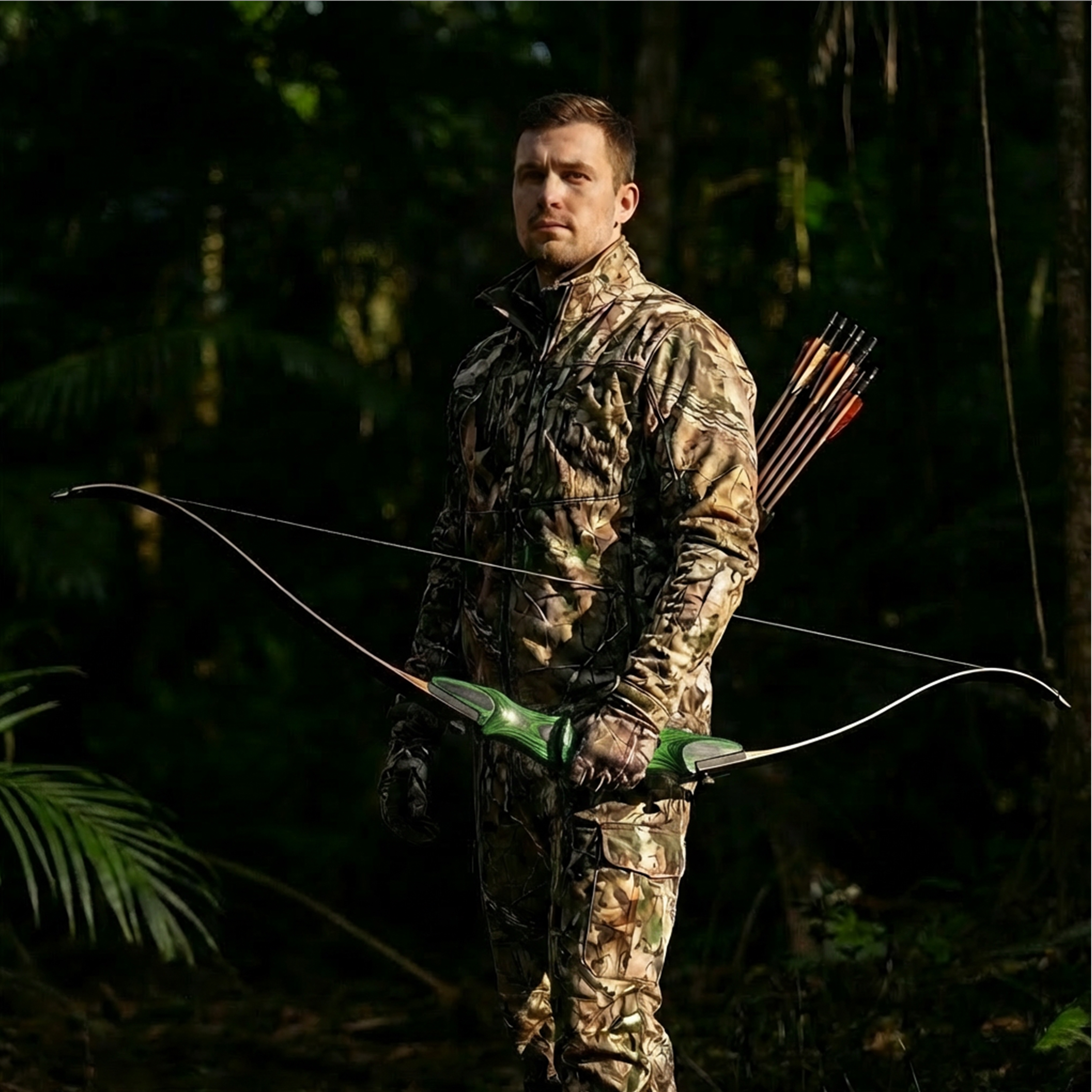
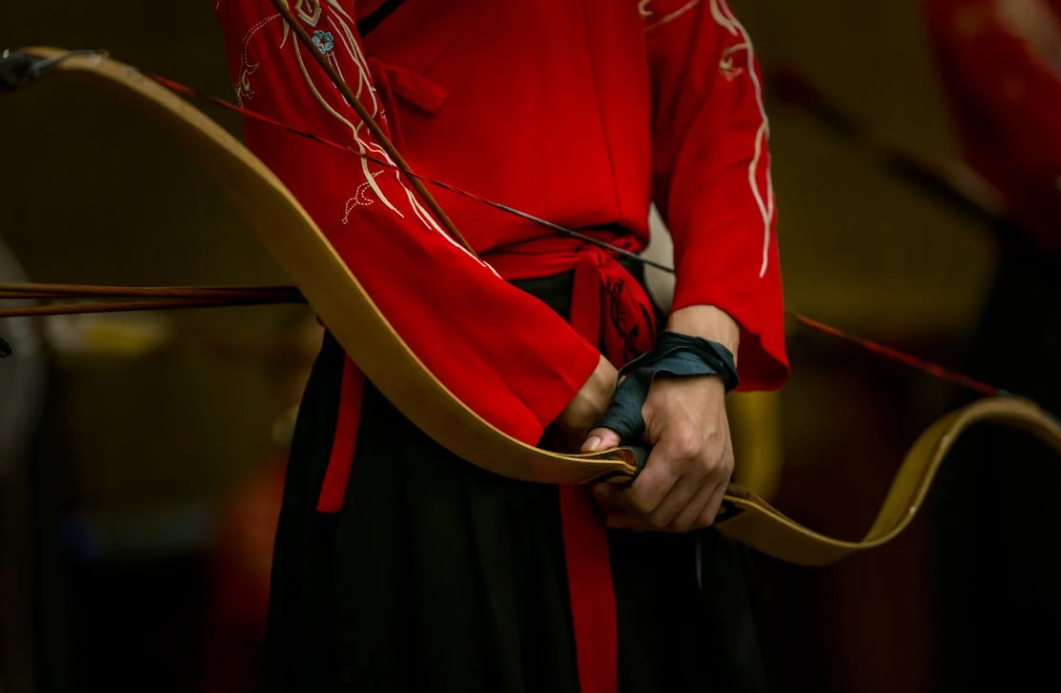
Choosing your first bow is one of the most exciting moments in archery—but also one of the most overwhelming. With so many styles, draw weights, lengths, and materials, it’s easy to feel lost. But don’t worry: selecting the right traditional bow doesn’t have to be complicated. The key is understanding your body, goals, and the basic bow options available.
Whether you’re interested in target shooting, backyard practice, or hunting, this guide will help you navigate the choices, avoid common beginner mistakes, and get the most enjoyment from your first bow.
1. Understanding Traditional Bows
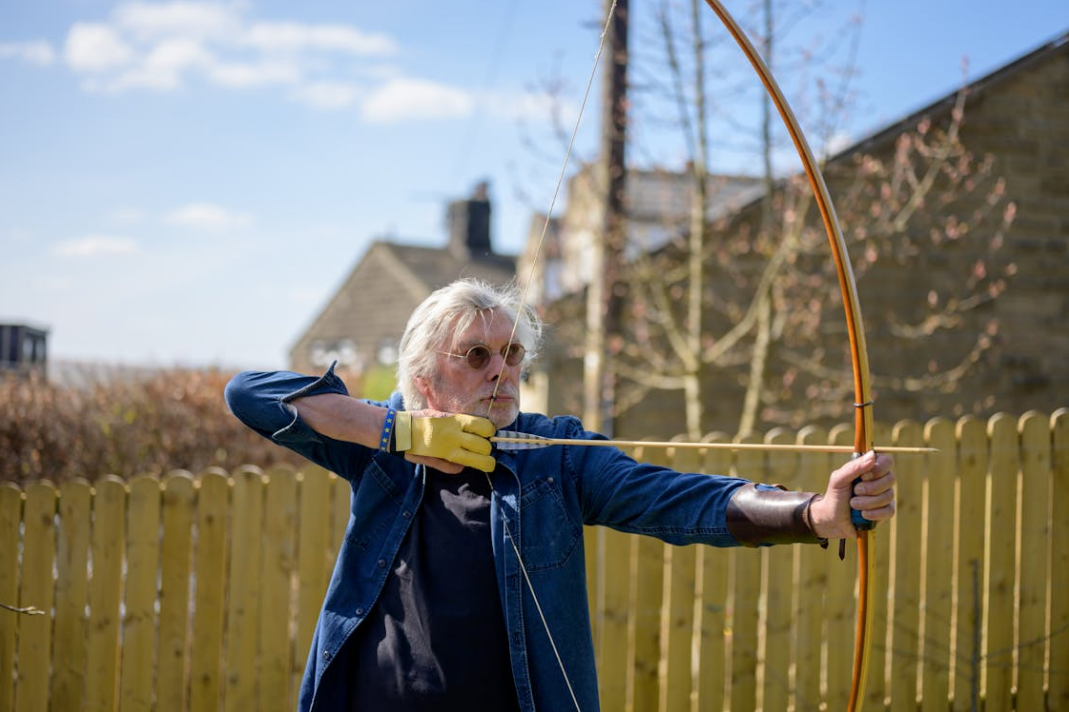
Before you pick a bow, it helps to understand the main types of traditional bows available to beginners:
Recurve Bows
- Curved tips that bend away from the archer
- Smooth, simple draw
- No cams or pulleys
- Great for learning proper form and building strength
Longbows
- Tall, straight-limbed bows
- Gentle, classic draw, but requires more strength
- Ideal for historical or traditional-style archery
Flatbows / American Hunting Bows
- Wide, flat limbs distribute energy evenly
- Less hand shock and vibration
- Quiet release, forgiving for beginners
Each type has unique characteristics, but all offer the core satisfaction of traditional archery: the connection between your body, your bow, and your arrow.
Beginner’s Guide to Traditional Bows
2. Why Choosing the Right Bow Matters
Many beginners assume all bows are essentially the same. Picking the wrong bow, however, can lead to:
- Fatigue and sore muscles
- Inconsistent shots and poor accuracy
- Frustration and early quitting
Imagine buying a 50-pound longbow for your first session. After five arrows, your arms are shaking, your back aches, and you’re ready to give up. That’s why matching draw weight, length, and style to your body is critical.
A well-fitted traditional bow allows you to practice longer, enjoy each shot, and steadily improve your form.
3. Key Factors for Choosing Your First Bow
Factor 1: Physical Strength and Build
- Recurve and longbows rely on full muscle engagement. Start lighter if you’re smaller or new to archery.
- Flatbows spread energy more evenly, reducing strain for beginners.
Beginner-Friendly Traditional Bows
Factor 2: Draw Weight and Length
- Draw weight: Start with a manageable weight (around 25–35 lbs for most beginners). Too heavy leads to fatigue; too light limits skill development.
- Bow length: Taller archers often prefer longer bows for stability. Shorter bows are more maneuverable in confined spaces.
Factor 3: Intended Use
- Target Shooting / Backyard Fun → Recurve or flatbow
- Hunting → Flatbow or longbow with sufficient draw weight
- Learning Technique → Any forgiving traditional bow
4. Common Beginner Mistakes
Even experienced archers made these mistakes at first:
- Buying the heaviest bow available: More draw weight doesn’t mean better results.
- Ignoring comfort and grip: A bow that feels awkward won’t encourage practice.
- Skipping practice with proper form: Poor habits develop quickly, especially with recurves or longbows.
- Assuming all bows fit all purposes: Target and hunting setups differ.
- Neglecting accessory needs: Arm guards, finger tabs, and proper rests protect your hands and enhance accuracy.
Common Traditional Archery Mistakes
5. Step-by-Step Guide to Picking Your First Bow
Step 1: Determine Your Bow Type
Decide which style suits your goals: recurve for learning, flatbow for forgiving shooting, or longbow for a traditional feel.
Step 2: Measure Your Draw Length
Draw length affects arrow spine, performance, and comfort. Stand relaxed, extend your arms fully, fingertip-to-fingertip measurement, then divide by 2.5 to estimate your draw length.
Step 3: Select a Comfortable Draw Weight
Beginners should start light and gradually increase. This builds strength safely and prevents discouragement.
Step 4: Test the Bow
Shoot several arrows at varying distances and pay attention to:
- Smoothness of the draw
- Vibration and hand shock
- How your shoulders, arms, and back feel
Step 5: Choose Accessories
- Arrow rest: Most beginner bows don’t need complex rests; a simple leather pad works.
- Arm guard: Prevents string slap on your forearm.
- Finger tab or glove: Protects fingers, especially for long practice sessions.
6. Real-Life Beginner Examples
Case 1: Anna tried a 40-pound longbow first and struggled with fatigue. Switching to a 30-pound recurve allowed her to practice longer, improve form, and enjoy archery.
Case 2: Mike wanted a hunting bow. He began with a flatbow at 35 lbs, which was easy to draw and forgiving while building confidence and accuracy.
Lesson: The “right” bow matches your body, skill, and goals, not just what looks impressive.
7. Frequently Asked Questions
Q1: Which bow type is easiest for beginners?
Compound bows feel easier due to let-off, but traditional recurves and flatbows teach solid fundamentals.
Q2: How long before I should upgrade?
Practice 3–6 months with a beginner bow. Once comfortable, you can consider higher draw weight or different bow style.
Q3: Do I need special arrows for each bow?
Yes. Arrow length and spine must match your draw length and weight.
Q4: Can I hunt with a beginner traditional bow?
Yes, if it meets local regulations and has sufficient draw weight. Start with target practice to build accuracy first.
8. Recommended Beginner Bow Setups
Recurve Beginner Setup:
- 25–30 lb draw weight
- Simple arrow rest or leather pad
- Arm guard and finger tab
- Lightweight wooden or carbon arrows
Flatbow / American Hunting Bow Setup:
- 30–35 lb draw weight
- Feathered arrows for smooth flight
- Leather shelf or simple arrow rest
- Quiet, forgiving, ideal for backyard and field practice
Beginner-Friendly Traditional Bow Collection
9. Conclusion
Selecting your first traditional bow doesn’t need to be overwhelming. Focus on comfort, draw weight, length, and goals, avoid common beginner mistakes, and test multiple options before committing. The right bow makes learning easier, practicing more enjoyable, and your progress faster.
Archery is a journey. The bow is a tool, but your technique, patience, and consistency are what truly improve your skill. Start simple, practice mindfully, and gradually explore more advanced setups.
Ready to start your archery journey confidently? Explore our beginner-friendly bow collection and pair it with starter arrows and essential accessories to get set up for success.