
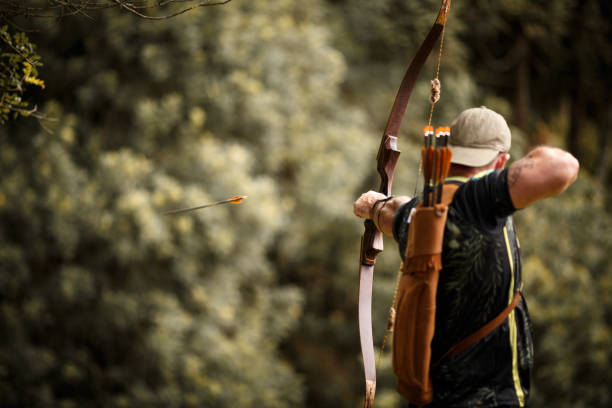
Recurve Bow Hunting Tips: How to Improve Accuracy in Real-World Conditions
Hunting with a recurve bow offers an unmatched level of challenge and satisfaction, but accuracy in real-world conditions requires more than just raw strength or perfect form. Whether you're stalking a deer through dense brush, aiming at a wild turkey in the early morning mist, or taking a shot at a moving target, your ability to adapt to various environmental factors is key.
In this guide, we’ll cover the most effective recurve bow hunting tips for improving your accuracy in real-world hunting conditions, from weather considerations to equipment adjustments and mental strategies. Mastering these aspects will significantly improve your shot consistency and increase your chances of a successful hunt.
1. The Importance of Consistent Form in Hunting Conditions
When you're hunting in the field, consistency is the cornerstone of accurate shooting. Even slight deviations from your usual form—such as misalignment or an unstable anchor—can lead to off-target shots. Here's how you can ensure your form remains flawless under challenging conditions.
A. The Proper Stance for Stability
In the field, your stance must adapt to various hunting positions, from sitting on the ground to standing in a tree stand. A stable stance ensures your bow remains steady, which is crucial when shooting at moving or distant targets.
- Feet Position: Keep your feet shoulder-width apart to maintain balance.
- Knees: Slightly bend your knees to lower your center of gravity.
- Body Alignment: Keep your body relaxed but aligned, with your head, shoulders, and bow arm all in one straight line.
B. Perfecting Your Draw and Anchor Point
The draw and anchor point are vital for consistent, accurate shooting. Under hunting conditions, stress and excitement can lead to inconsistency in these areas. Here’s how to maintain precision:
- Smooth Draw: Practice drawing your bow smoothly and evenly, using your back muscles rather than relying on arm strength. This creates a more stable and controlled shot.
- Find Your Anchor: Your anchor point should be consistent every time. The corner of your mouth, under the chin, or at the jawline is common, but find the spot that feels most comfortable and repeatable.
2. Equipment Adjustments for Real-World Accuracy
The right equipment setup is critical for achieving accuracy in real-world hunting conditions. Cold weather, wind, and distance will test your gear, so make sure it’s fine-tuned for performance in the field.
A. Tuning Your Recurve Bow for Precision
Proper bow tuning ensures your shots are hitting the mark. Even small misalignments can affect your arrows’ trajectory, especially when shooting over longer distances or at game.
- Center Shot Adjustment: Ensure your arrow rest is aligned to center with your bowstring. A slight deviation can lead to left- or rightward arrow flight.
- Nock Height: The nock should align with the bowstring to create a stable shot.
- String Silencers: While not directly related to accuracy, string silencers reduce noise and vibration, making you less likely to spook animals.
Recommended accessories for recurve bows
B. Arrow Selection and Weight
The type and weight of your arrows significantly affect accuracy, especially in hunting situations. Heavier arrows are ideal for larger game, as they offer better penetration and flatter trajectories.
- Arrow Spine: The stiffness of your arrow (spine) needs to match your bow’s draw weight. Too stiff or too flexible can cause inconsistent flight paths.
- Arrow Weight: For hunting, a heavier arrow (around 400-500 grains) ensures better penetration on larger game like deer or wild boar.
For a balanced and accurate setup, consider using carbon or aluminum arrows with high FOC (front-of-center) for better stability.
C. Bow Accessories for Better Performance
While your skills are the most important factor, the right accessories can help you maintain accuracy in the field.
- Stabilizers: These reduce hand-shock and vibrations, ensuring more stable shots. Look for stabilizers that are lightweight but long enough to balance the bow.
- Bow Sights: While not always necessary for close-range hunting, a bow sight can be invaluable for longer shots or in low-light conditions.
- Release Aids: If you prefer not to use your fingers for drawing, a release aid can help you achieve a smoother release and prevent any jerky movements.
Recommended accessories for recurve bows
3. Adapting to Environmental Factors: Wind, Weather, and Terrain
A. Shooting in Windy Conditions
Wind can drastically affect the trajectory of your arrow, so it’s crucial to adjust your shot technique based on the wind’s direction and speed.
- Adjust Your Aim: In a crosswind, aim slightly into the wind to account for arrow drift. If shooting with a tailwind, aim higher than normal.
- Timing the Shot: Try to shoot when the wind is at a lull or between gusts. This minimizes the chances of the wind disturbing your arrow mid-flight.
B. Handling Cold Weather
Cold temperatures can affect your equipment and your performance. To maintain accuracy in freezing conditions:
- Warm Up Your Equipment: Cold weather can reduce bowstring flexibility and increase hand-shock. Keep your bow and arrows at room temperature before use.
- Layer Up: Make sure your clothing allows for full range of motion while staying warm and comfortable.
Recommended accessories for recurve bows
4. Mental Preparation: Stay Focused in Real-World Conditions
Hunting is as much a mental game as it is a physical one. The pressure of the hunt, environmental challenges, and the potential for an animal sighting can easily throw off your accuracy.
A. Control Your Nerves
In stressful hunting situations, especially when a deer is approaching, it’s easy to rush your shot. Always remember to breathe, stay calm, and take your time. Visualize a perfect shot before you release the string.
B. Practice with Real-World Scenarios
It’s important to practice in conditions similar to those you’ll face in the field. Try shooting at different distances, from elevated positions, and even with wind or noise distractions.
5. Frequently Asked Questions (FAQ)
Q1: How do I improve my accuracy with a recurve bow?
Improving accuracy requires consistent practice, a stable stance, a proper draw, and correct arrow and bow tuning. Focus on form and repetition for the best results.
Q2: What are the best arrows for recurve bow hunting?
For hunting, heavier arrows with proper spine alignment are ideal. Carbon and aluminum arrows are popular choices for their durability and consistency.
Q3: How can I shoot more accurately in the wind?
To compensate for wind, adjust your aim based on wind direction and strength. Practice shooting in windy conditions to develop a feel for how the wind affects your arrows.
6. Conclusion: Master Accuracy in Real-World Hunting Conditions
Bowhunting with a recurve bow is a rewarding experience, but it requires more than just skill; it requires precision, preparation, and the ability to adapt to various real-world challenges. By refining your form, tuning your bow, selecting the right arrows, and practicing in a variety of conditions, you can significantly improve your accuracy and enjoy more successful hunts.
If you’re looking to upgrade your hunting setup or need new accessories for your next hunt, check out our top-quality recurve bows, hunting arrows, and bow accessories.
Ready to take your recurve bow hunting to the next level? Shop now for the best hunting bows, arrows, and gear to ensure accuracy and success on your next hunt!