

Every archer has a “clean, perfect, cinematic shot” in their head…
And then reality shows up.
If you’ve spent even one afternoon with a bow, you already know: archery is part precision sport, part comedy show, especially in the beginning. The good news? Those funny mistakes are not just entertaining—they’re actually some of the fastest ways to improve.
Today we’re diving into the most common beginner archery fails, why they happen, and what they quietly teach you about becoming a better archer. And yes—we’ve included a few real YouTube clips so you can laugh and learn at the same time.

1. The “It Looked Perfect… Why Did It Miss?” Shot
This is the universal beginner experience.
You line everything up perfectly:
-
stance feels right
-
anchor point is solid
-
breathing is calm
-
release feels smooth
And then… your arrow lands somewhere completely unrelated to the target.
Why it happens:
-
inconsistent anchor point
-
torque in the bow hand
-
over-aiming instead of trusting form
What it teaches you:
Archery is not about one “perfect feeling shot”—it’s about repeatable mechanics. One good shot means nothing; ten similar shots mean everything.
Beginner inconsistency examples
2. The Classic “Forearm Slap Moment”
Every beginner remembers their first bowstring kiss.
It’s fast. It’s loud. And it leaves a mark.
Why it happens:
-
improper arm position
-
bent elbow during release
-
lack of arm guard
-
gripping the bow too tightly
What it teaches you:
Proper form matters more than strength. A relaxed bow arm and correct elbow rotation instantly fixes most of these issues.
3. The “Arrow Drop Before the Shot” Disaster
You nock the arrow…
You start drawing…
And suddenly the arrow just falls off the rest like it gave up on life.
Why it happens:
-
incorrect nock fit
-
poor arrow rest setup
-
rushing the draw cycle
-
beginner hand coordination issues
What it teaches you:
Archery rewards slow, deliberate setup routines. Rushing the nock process leads to inconsistency and frustration.
Bonus lesson: even small gear adjustments can completely change your shooting experience.
4. The “Target Panic Release” (a.k.a. Surprise Shot)
This one is sneaky.
The archer is aiming… aiming… aiming… and then suddenly releases without meaning to.
Why it happens:
-
mental pressure at full draw
-
lack of back tension control
-
beginner anxiety (“I just want to hit it!”)
What it teaches you:
Archery is as much mental as physical. Learning to stay calm at full draw is a core skill that separates beginners from consistent shooters.
5. The “Where Did My Arrow Go?” Mystery Shot
You shoot…
You blink…
And the arrow is simply gone.
Not in the target. Not on the ground. Just… gone.
Why it happens:
-
shooting beyond safe visibility range
-
poor focus during release
-
arrows passing through soft targets
-
beginner misjudgment of trajectory
What it teaches you:
Always shoot in a controlled environment and track every arrow after release. This builds awareness, safety, and consistency.
6. The “Overconfident Second Shot Syndrome”
After hitting your first bullseye, everything changes.
You feel unstoppable.
Then the next five arrows miss completely.
Why it happens:
-
emotional overconfidence
-
rushing follow-up shots
-
loss of form discipline
-
subtle changes in grip and posture
What it teaches you:
Consistency beats excitement. Every shot should feel like the first shot—calm, controlled, and intentional.
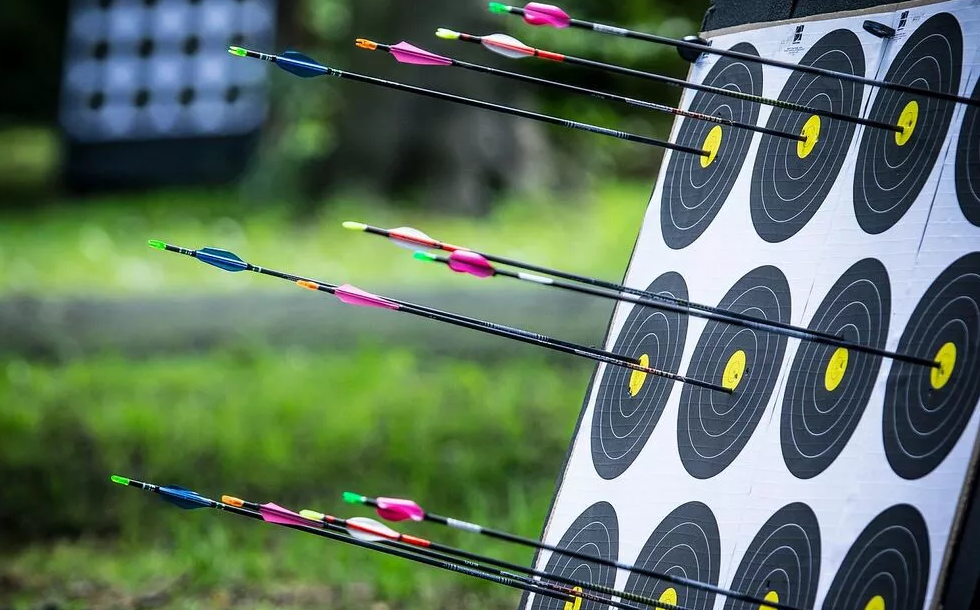
7. The “Group Shot Chaos”
Sometimes beginners accidentally create a masterpiece… just not where they intended.
Three arrows:
-
one high
-
one low
-
one somewhere emotionally distant
Why it happens:
-
inconsistent draw length
-
inconsistent anchor point
-
lack of grouping awareness
What it teaches you:
Your goal is not hitting the target once—it’s tight grouping. Even a small cluster of arrows tells you more about skill than a lucky bullseye.
8. Why These “Fails” Actually Matter
Here’s the truth experienced archers understand:
Every funny mistake is a data point.
-
Missed shots = feedback
-
Arm slaps = form correction
-
Panic releases = mental training
-
Arrow drops = equipment awareness
In other words:
you don’t fail in archery—you diagnose.

9. Beginner Gear That Prevents Most Fails
A lot of early mistakes aren’t “skill issues”—they’re gear setup issues.
For beginners, a stable setup helps reduce frustration dramatically.
👉 Recommended starter setups:Beginner Recurve Bow Set
👉 Stable practice arrows:Carbon Practice Arrows
👉 Essential protection gear:Arm Guard + Finger Tab Set
👉 Safe practice targets:Foam Archery Targets
10. Turning Fails into Faster Progress
If you want to improve quickly, don’t avoid mistakes—study them.
A simple routine:
-
record your shooting (phone is enough)
-
review grouping patterns
-
identify one mistake per session
-
fix only one thing at a time
This is how beginners turn into consistent archers much faster than random practice ever could.
Conclusion
The funniest beginner archery moments are universal: missed shots, surprise arm slaps, disappearing arrows, and panic releases. But behind every laugh is a lesson that directly improves your skill.
Archery rewards patience, consistency, and self-awareness. The more you understand your mistakes, the faster you improve—and the more enjoyable every session becomes.
So don’t worry if your early shots look more like comedy than competition. Every experienced archer has been there.
Ready to turn your beginner moments into real progress? Start with the right gear and build consistency step by step: shoot, laugh, adjust, repeat. That’s how archers are made.