
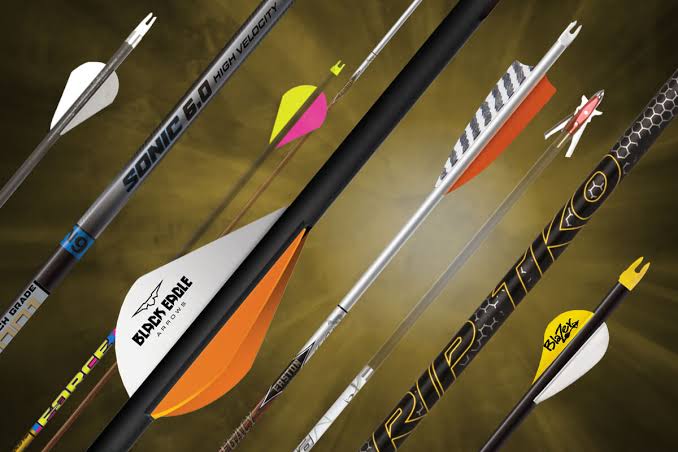
1. Carbon Arrows: Lightweight, Fast and Consistent
Carbon arrows are the most common choice for modern compound and recurve archery.
They are manufactured from carbon fiber and are designed to provide excellent straightness, spine consistency, durability, and weight consistency.
Advantages of Carbon Arrows
Lightweight and fast
Carbon arrows can be lighter than many comparable aluminum or wood arrows. A properly matched lightweight arrow can produce a faster trajectory and a flatter flight path.
This can be particularly useful for:
- Target shooting
- 3D archery
- Long-distance shooting
- Compound bows
- Hunting setups where an appropriate arrow weight and spine are selected
Excellent consistency
One of the biggest advantages of carbon is manufacturing consistency.
A well-made carbon arrow set can have very consistent:
- Spine
- Straightness
- Weight
- Shaft dimensions
That consistency makes it easier to tune your bow and achieve repeatable groups.
Strong for their weight
Carbon shafts offer an excellent strength-to-weight ratio, which is one reason they have become so popular in modern archery.
The Downsides
Carbon arrows aren't perfect.
They usually cost more than basic aluminum arrows, and damage isn't always obvious. A carbon shaft that has been cracked or damaged should not be shot.
Always inspect carbon arrows before shooting and retire any arrow that shows signs of damage.
Best for:
Compound bows, modern recurve bows, target shooting, 3D archery, and hunting.
For most modern archers, carbon is the easiest all-around choice.
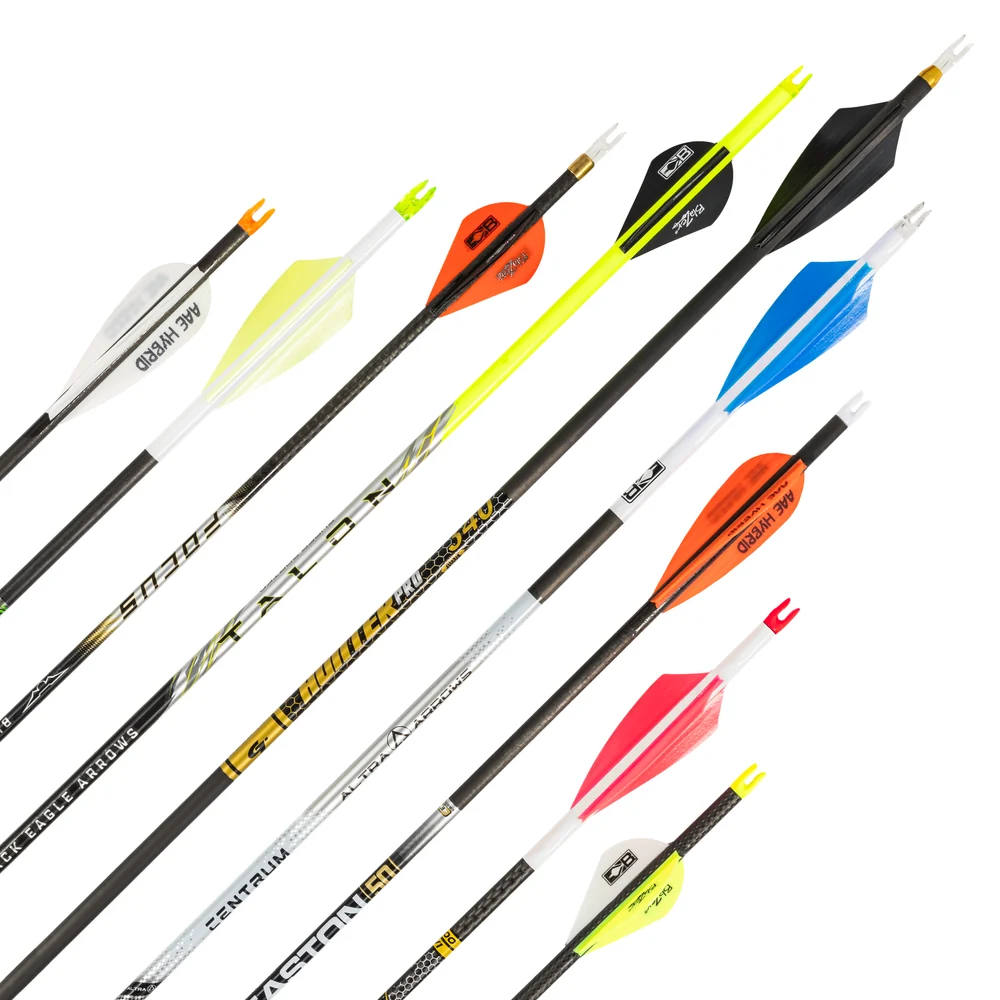
2. Aluminum Arrows: Durable, Consistent and Easy to Inspect
Aluminum arrows have been used in competitive and recreational archery for decades and remain a practical option for many shooters.
They are generally heavier than comparable carbon arrows, but that isn't necessarily a disadvantage.
Advantages of Aluminum Arrows
Durability and visibility of damage
One advantage of aluminum is that bends and dents are often easier to see than damage inside a carbon shaft.
A slightly bent aluminum arrow may sometimes be straightened with the proper equipment, depending on the damage.
Good weight consistency
Quality aluminum arrows can provide very consistent weight and dimensions, making them suitable for target shooting and practice.
Often affordable
For beginners who are likely to lose or damage arrows while learning, aluminum can be an attractive option because many models offer a good balance between price and performance.
The Downsides
Aluminum arrows are generally heavier than lightweight carbon arrows.
That can mean:
- Lower arrow speed
- A more pronounced trajectory
- Different tuning requirements
They can also bend from repeated impacts or hard contact with targets and other objects.
Best for:
Beginners, target shooting, practice, and shooters who prefer a heavier arrow setup.
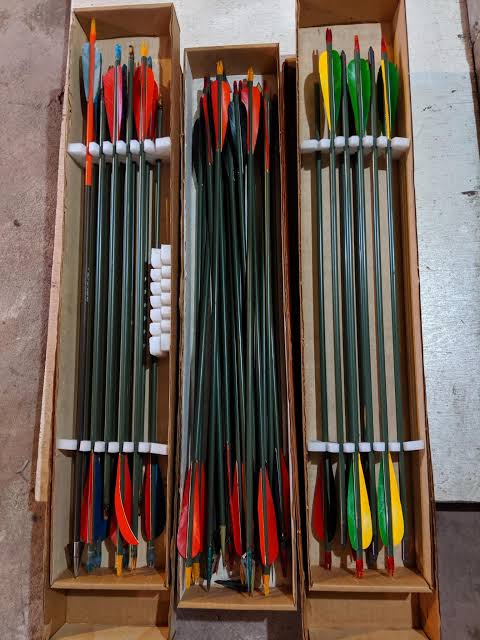
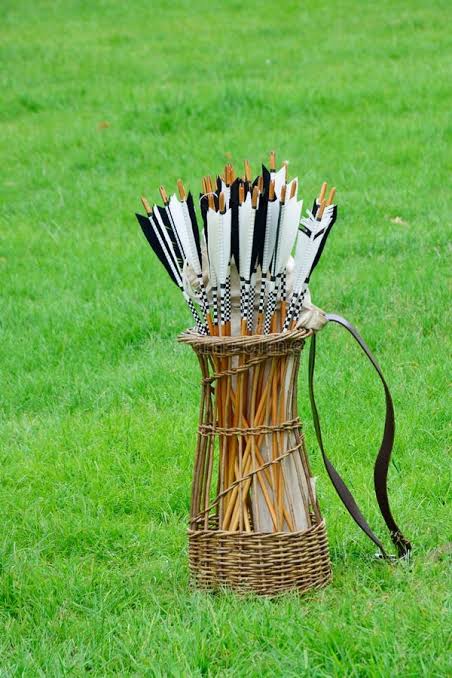
3. Wood Arrows: Traditional Feel and Classic Performance
If carbon represents modern archery, wood represents its roots.
Wood arrows are commonly associated with traditional longbows, traditional recurves, and historical archery.
Cedar, pine, and other suitable woods are commonly used to produce wooden shafts.
Why Do Traditional Archers Still Choose Wood?
Because archery isn't always about maximizing speed.
For many traditional archers, the experience matters just as much as the numbers.
Wood arrows offer:
- Classic appearance
- Traditional craftsmanship
- Natural materials
- A distinctive shooting experience
- Strong compatibility with traditional bows
For a traditional bow setup, a well-matched set of wood arrows can be part of the entire shooting experience—not simply another piece of equipment.
The Downsides
Wood requires more care than carbon or aluminum.
Wooden shafts can be affected by:
- Humidity
- Temperature
- Storage conditions
- Impact damage
- Warping
Wood arrows also tend to require more attention when matching spine and weight.
Best for:
Traditional archery, longbows, traditional recurves, historical archery, and shooters who value craftsmanship and tradition.
Carbon vs Aluminum: Which Is Better?
This is probably the most common comparison modern archers make.
The answer depends on what you want from your arrows.
Choose Carbon If You Want:
- Lightweight performance
- High consistency
- Fast arrow speeds
- Modern compound bow compatibility
- Hunting or 3D performance
- Easy access to different spine options
Choose Aluminum If You Want:
- A heavier arrow
- Good durability
- Easy-to-see bends and damage
- Affordable practice arrows
- A traditional target-shooting option
For most modern compound and recurve setups, carbon is the more versatile choice.
But that doesn't mean aluminum is obsolete.
Carbon vs Wood Arrows: Which Is Better?
This comparison is less about which material is technically superior and more about what kind of archery you enjoy.
If you're shooting a modern compound bow and want speed, consistency, and easy tuning, carbon is usually the better fit.
If you're shooting a traditional longbow and want a classic setup, wood makes much more sense.
Think of it this way:
Modern performance → Carbon
Traditional experience → Wood
What About Arrow Speed and Wind?
Arrow speed isn't determined by shaft material alone.
Your actual arrow speed depends on several factors, including:
- Draw weight
- Draw length
- Arrow length
- Arrow mass
- Bow efficiency
- Arrow spine
- Point weight
- Fletching
- Shooting technique
A lighter arrow can generally travel faster, but lighter doesn't automatically mean better.
For example, hunters often consider total arrow weight, momentum, durability, and appropriate spine rather than simply choosing the lightest possible shaft.
That's why you should never select an arrow based solely on speed.
How to Choose the Right Arrow for Your Bow
Before buying arrows, start with your bow—not the arrow material.
Compound Bow
For compound bows, carbon arrows are usually the most practical choice.
Pay particular attention to:
- Draw weight
- Draw length
- Arrow length
- Arrow spine
- Point weight
- Manufacturer's spine recommendations
For hunting, choose arrows specifically designed and tested for the intended application.
Never select a compound-bow arrow based only on its advertised spine number.
Recurve Bow
Recurve bows offer more flexibility.
Modern Olympic-style and ILF recurves commonly use carbon or aluminum arrows.
Traditional recurves may also be paired with wood arrows.
For beginners, the most important thing is getting the arrow length and spine appropriate for the bow's draw weight and the shooter's draw length.
Traditional Bow
For traditional longbows and traditional recurves, wood arrows remain a popular choice.
However, modern carbon arrows can also work extremely well when the goal is performance rather than historical authenticity.
Some archers even choose carbon shafts with wood-grain finishes to combine modern consistency with a traditional appearance.
Don't Forget Arrow Spine
Material isn't the only thing that matters.
Arrow spine may be even more important.
Arrow spine describes how stiff the shaft is, and the correct spine depends on factors such as:
- Bow type
- Draw weight
- Draw length
- Arrow length
- Point weight
- Bow design
An arrow that is too stiff or too weak for your setup can affect tuning, flight, grouping, and overall shooting performance.
So instead of asking:
"Should I buy carbon or aluminum?"
A better question is:
"Which arrow material and spine are appropriate for my bow?"
Arrow Maintenance and Safety
No matter which material you choose, inspect your arrows regularly.
Carbon
Check carefully for cracks, splits, dents, or other damage.
Never shoot a carbon arrow if you suspect structural damage.
Aluminum
Check for bends, dents, or damaged nocks and inserts.
A bent shaft should be evaluated before reuse.
Wood
Check for:
- Cracks
- Splits
- Warping
- Loose components
- Signs of moisture damage
Store wooden arrows in a stable, dry environment.
And regardless of material, never shoot an arrow that you aren't confident is structurally sound.
Which Arrow Material Should Beginners Choose?
If you're completely new to archery, here's a simple starting point:
Beginner Compound Bow
Carbon → Recommended
Carbon offers a great combination of consistency, availability, and performance.
Beginner Recurve Bow
Carbon or Aluminum → Both can work
Choose based on your bow's requirements, budget, and intended use.
Traditional Bow
Wood → Best for the traditional experience
Carbon can also be an excellent performance-oriented alternative.
Frequently Asked Questions
Are carbon arrows more accurate than aluminum arrows?
Not automatically.
A properly matched, high-quality aluminum arrow can be extremely accurate. Carbon's biggest advantage is often its combination of consistency, weight, and durability.
Arrow matching and bow tuning are more important than simply choosing one material over another.
Are wood arrows less accurate?
Not necessarily.
A carefully selected and matched set of wood arrows can perform very well. However, natural materials generally require more attention to matching and maintenance than modern manufactured shafts.
Can I use carbon arrows with a traditional bow?
Yes, depending on the bow and setup.
Many traditional archers use carbon arrows because of their consistency and durability. However, make sure the arrow's spine, length, and weight are appropriate for your bow.
Can I use the same arrow rest for carbon, aluminum and wood arrows?
Sometimes, but adjustments may be necessary.
Arrow diameter, spine, nock style, and rest configuration can all affect compatibility. After changing arrow types, check your setup and retune your bow if necessary.
So, Which Arrow Is Best?
There's no universal winner.
Carbon arrows are the all-around choice for modern compound and recurve archers who want consistency, speed, and versatility.
Aluminum arrows remain a practical option for target shooting, beginners, and shooters who prefer a heavier, durable shaft.
Wood arrows are the natural choice for traditional archers who value craftsmanship, appearance, and the classic feel of archery.
The right arrow is ultimately the one that matches your bow, your shooting style, your goals, and your budget.
we offer carbon, aluminum, and wood arrows for different types of archers and shooting applications.
Whether you're tuning your first recurve bow, upgrading your compound-bow setup, or building a traditional archery kit, start by choosing the correct arrow length, spine, and weight—then select the material that fits your shooting goals.
Explore the Arrow Series and find the right arrow for your setup.