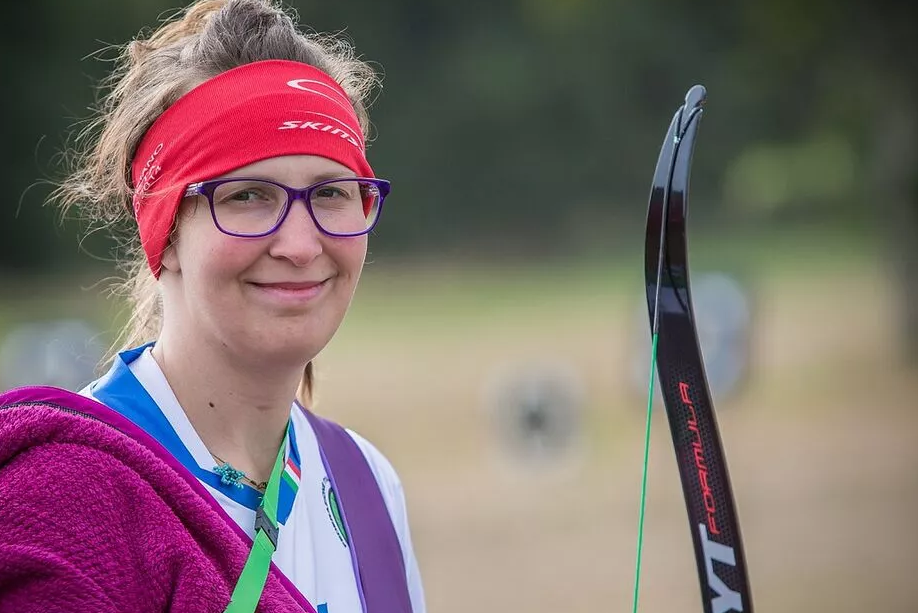
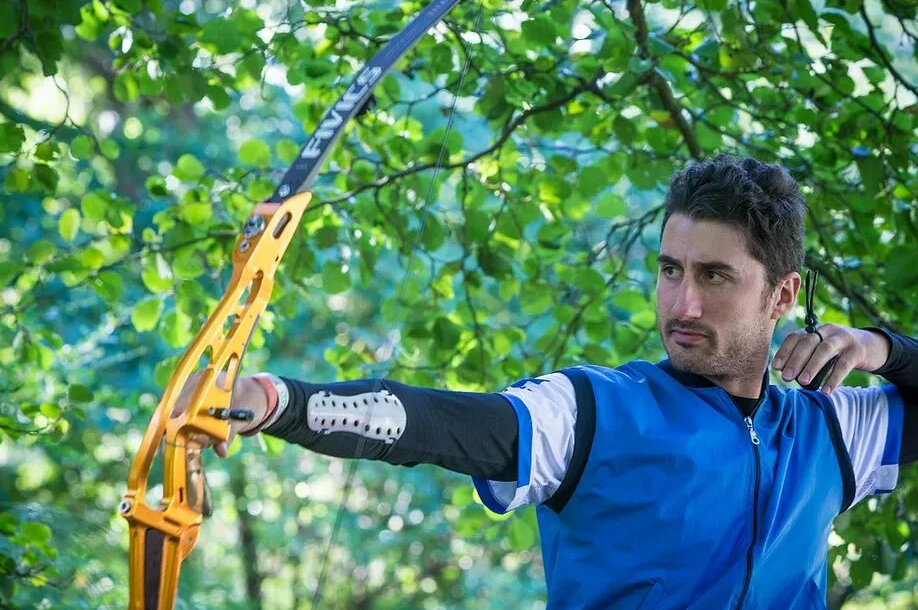
There’s a moment in archery that surprises almost everyone who tries it.
No sights. No pins. No rangefinder. No overthinking.
Just you, the bow, and a target that feels… strangely far away and yet somehow familiar.
That’s instinctive archery—and it feels completely different from any other style of shooting.
Some archers describe it as “natural,” others call it “pure,” and a few just say it feels like the bow disappears and your body takes over. But whatever words you use, one thing is consistent: instinctive shooting changes how you think about archery entirely.
Let’s break down why.
1. What Instinctive Archery Actually Means
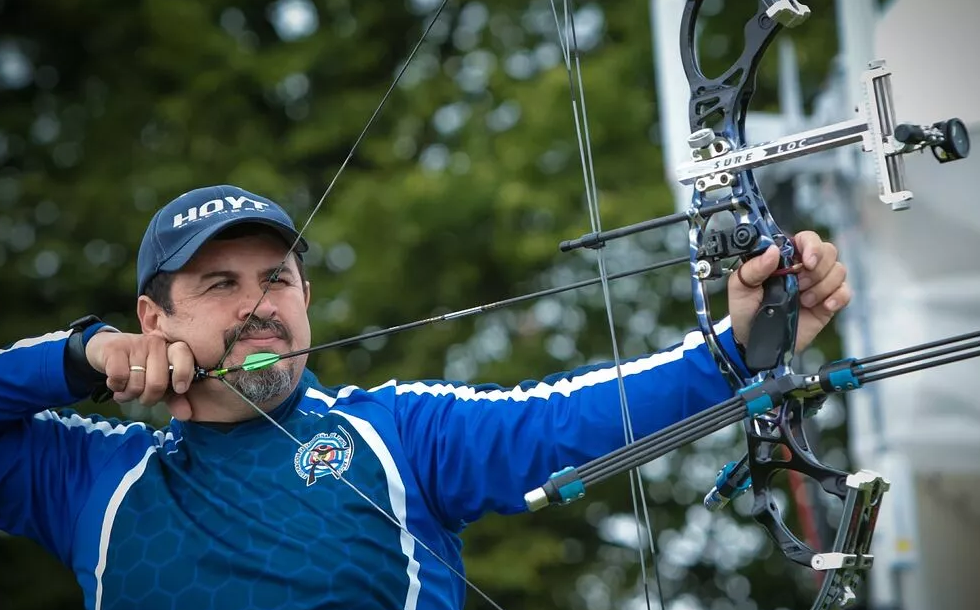
Instinctive archery is the practice of shooting without using any mechanical aiming reference.
That means:
-
no sights
-
no pins
-
no peep alignment
-
no rangefinder dependence
Instead, you rely on:
-
visual judgment
-
muscle memory
-
hand-eye coordination
-
repetition and feel
It’s most commonly used with:
-
traditional bows
-
longbows
-
barebow recurve setups
2. Why It Feels So “Different” from Modern Archery
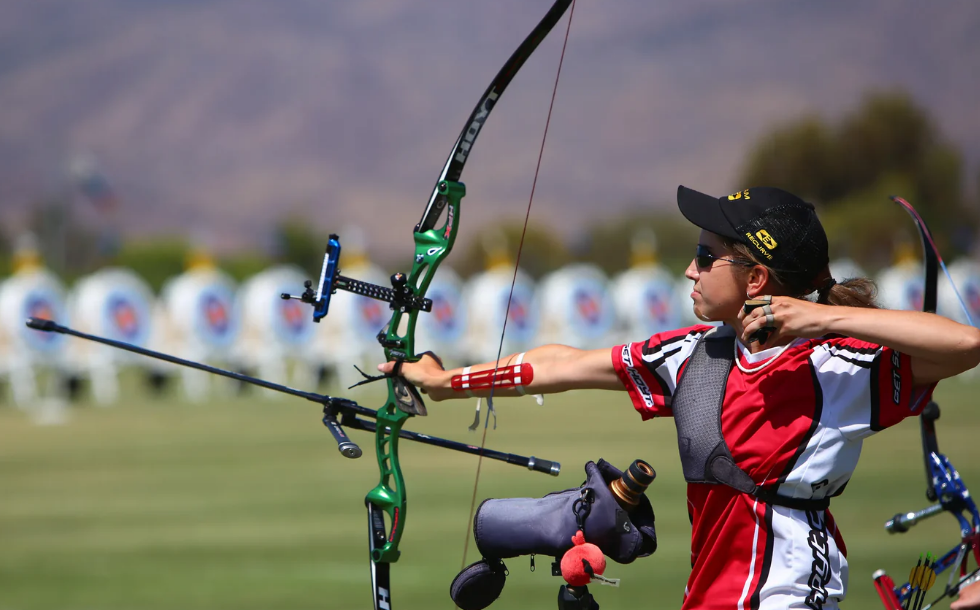
If you’re used to compound bows or sighted recurve shooting, instinctive archery can feel almost like a different sport.
No Visual “Crutch”
With sights, your brain locks onto a fixed reference point. Instinctive shooting removes that completely.
At first, this feels uncomfortable—like you’re missing something important.
But over time, your brain adapts and starts processing distance in a more natural way.
Your Brain Starts Doing the Aiming Automatically
Instead of consciously aligning pins or dots, your brain begins to:
-
estimate distance visually
-
adjust muscle tension unconsciously
-
“feel” trajectory instead of calculating it
It’s not magic—it’s repetition and neuro-motor learning.
It Feels More Physical and Less Mechanical
Modern archery often feels like equipment + adjustment + precision.
Instinctive archery feels like:
“I see it… I draw… I release.”
Less thinking. More flow.
3. The Learning Curve: Why It Feels Frustrating at First
Let’s be honest—instinctive archery is not easy at the beginning.
Common beginner experiences include:
-
inconsistent accuracy
-
over/under shooting distances
-
frustration without visible reference points
-
“why did that miss?” moments
Why this happens:
-
your brain is recalibrating distance judgment
-
muscle memory is still forming
-
you’re used to visual aiming systems
The key stage is called “trust development”—learning to trust your body instead of your tools.
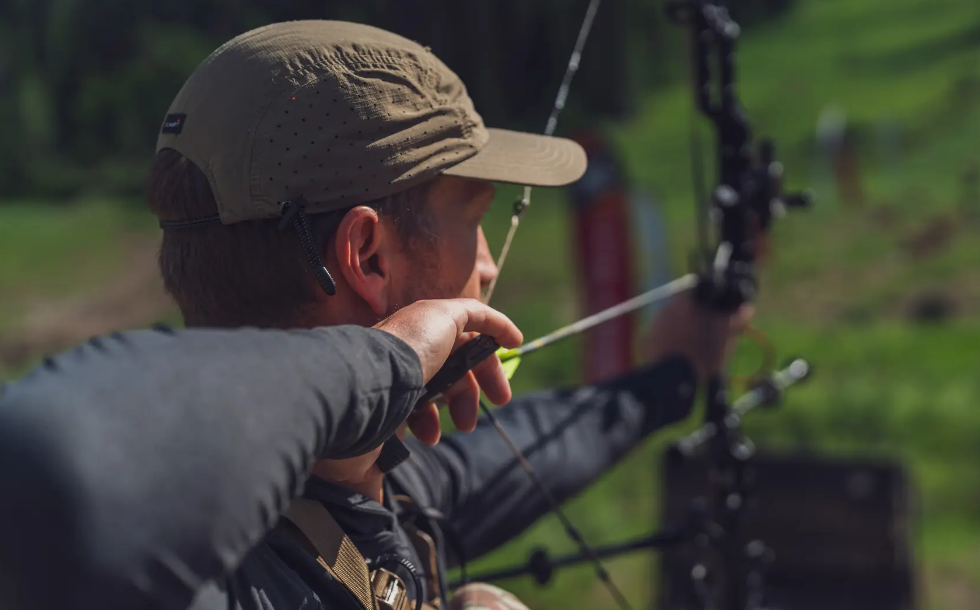
4. The Breakthrough Moment (When It Clicks)
Every instinctive archer remembers this moment:
You shoot… and it just feels right.
The arrow lands closer than expected—not because you calculated it, but because your body adjusted naturally.
This is when instinctive archery becomes addictive.
What changes:
-
your release becomes smoother
-
your draw feels more natural
-
your eyes stop “searching for aim points”
-
your focus shifts from target to flow
It’s not about perfect accuracy immediately—it’s about consistent feel.
5. Why Instinctive Archery Is So Popular Again
Interestingly, instinctive shooting is making a comeback.
Here’s why:
1. Social Media Aesthetic
Slow-motion traditional shots, forest backgrounds, and cinematic releases perform extremely well on TikTok and YouTube Shorts.
2. Simplicity
People are tired of over-complicated setups. Instinctive archery feels raw and accessible.
3. Mental Escape
It forces you to focus fully on the present moment. Many archers describe it as “meditative.”
4. Traditional Archery Revival
Interest in longbows, horse bows, and historical archery is growing fast.
6. Gear That Works Best for Instinctive Shooting
While instinctive archery is skill-based, the right equipment makes a big difference.
Recommended Bow Types
-
longbows (pure instinctive feel)
-
traditional recurve bows
-
barebow setups (no sights, minimal accessories)
🛒 Beginner-friendly traditional bows:Traditional Recurve & Longbow Setups
Arrows Matter More Than You Think
Consistency is key.
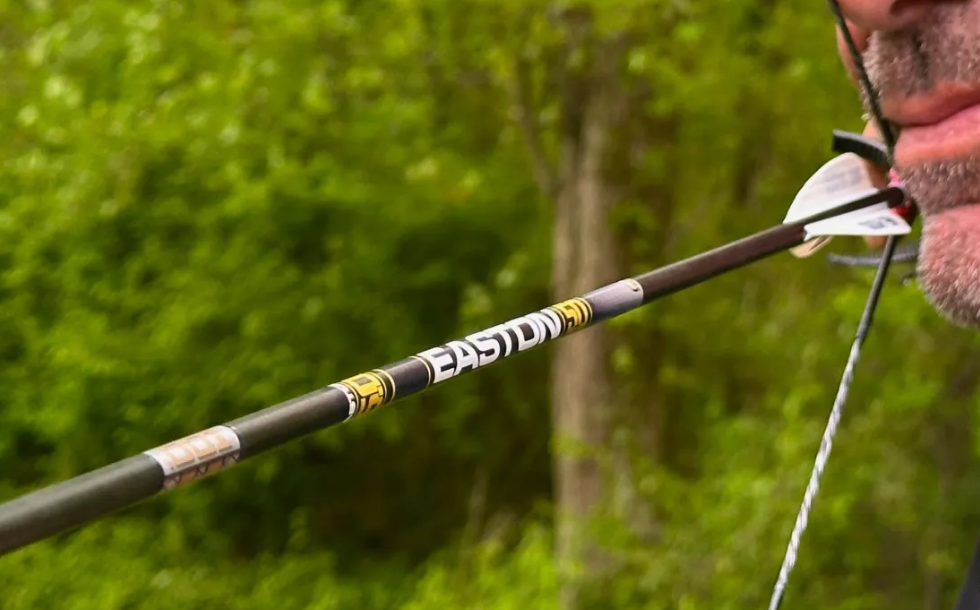
Look for:
-
matched spine arrows
-
feather fletching (better clearance)
-
balanced weight distribution
🛒 Practice-ready arrows:Carbon Feather-Fletched Arrows
Safety & Control Gear
Even instinctive shooting requires discipline:
-
arm guard
-
finger tab or glove
-
proper target setup
-
safe backstop
🛒 Essential protection gear:Archery Safety Accessories Kit
7. The Biggest Mistake Beginners Make
Most beginners try instinctive archery… and immediately “aim” like they would with sights.
That doesn’t work.
Instinctive shooting is not:
-
guessing
-
eyeballing like darts
-
randomly releasing
It is:
trained perception + repetition + feedback loops
If you overthink it, progress slows dramatically.
8. How to Train Instinctive Accuracy
Here’s a simple progression:
Step 1: Close Distance
Start at 5–10 yards only.
Step 2: Focus on Form, Not Impact
Forget the bullseye—focus on consistent draw and release.
Step 3: Repeat Small Sets
3–5 arrows per round, not dozens.
Step 4: Observe Patterns
Where do arrows cluster? Adjust naturally.
Step 5: Gradually Increase Distance
Move back only when grouping stabilizes.
9. Why Instinctive Archery Feels So Satisfying
Once it clicks, instinctive archery feels different because:
-
there’s less mental noise
-
fewer mechanical distractions
-
more physical awareness
-
stronger connection to the shot
You’re not “using” the bow.
You’re interacting with it.
That’s the real difference.
10. Conclusion
Instinctive archery stands apart because it removes everything unnecessary and leaves only the core experience: focus, motion, and release.
At first, it feels uncertain. Then it feels frustrating. And finally—it feels natural.
That transformation is why so many archers fall in love with it.
If you’re curious to try it yourself, start simple and stay consistent:Let the bow teach you. Not the other way around.